Astro Amy
Astro Amy
I did not wake up one morning and say I wanted to photograph deep space. It is something that evolved over time. I walked backwards into astrophotograpy from landscape photography. No science about it. The science is something I am still learning. I started as someone with a new DSLR and wanted to learn how to use it. So I joined a photography club. One of the first events I attended with the club was a night shoot. We landed in a field in the middle of peach country South Carolina. We arrived after dark and fumbled with our cameras and tripods. This was new to all of us. At some point we figured out how to focus our cameras on a distant light, and found a camera setting that worked. This was January 2014 and it was freezing outside. I settled in a chair wrapped in a blanket next to my tripod with a cabled shutter release in one hand and hot chocolate in the other. I took a 30 second photo every time I saw an image appear on my screen. I decided then my first image would be a star trail. That was the night I fell in love with the night sky.
It did not take long for me to realize that in this photography club everyone took turns teaching a skill. I needed a skill that I could share with the group. Remembering that first night. I chose the Milky Way. Problem is I had no clue how to find it. I have never seen it. For a few months I surfed the internet for everything I could. I studied photos, locations, settings, gear. Now I needed practice. My father knew a landowner about an hour from town who had some secluded land. The land was perfect and the owner loved having a visitor every month to shoot his stars.
I have never seen so many stars. At the back of his property he had an old International Harvester drill rig. I used the drill rig as my foreground as I chased the milky way. I spent a whole milky way season on his property practicing till I felt I could produce a solid image and teach the rest of the club. I spent 2 years roaming this property taking Milky way images.

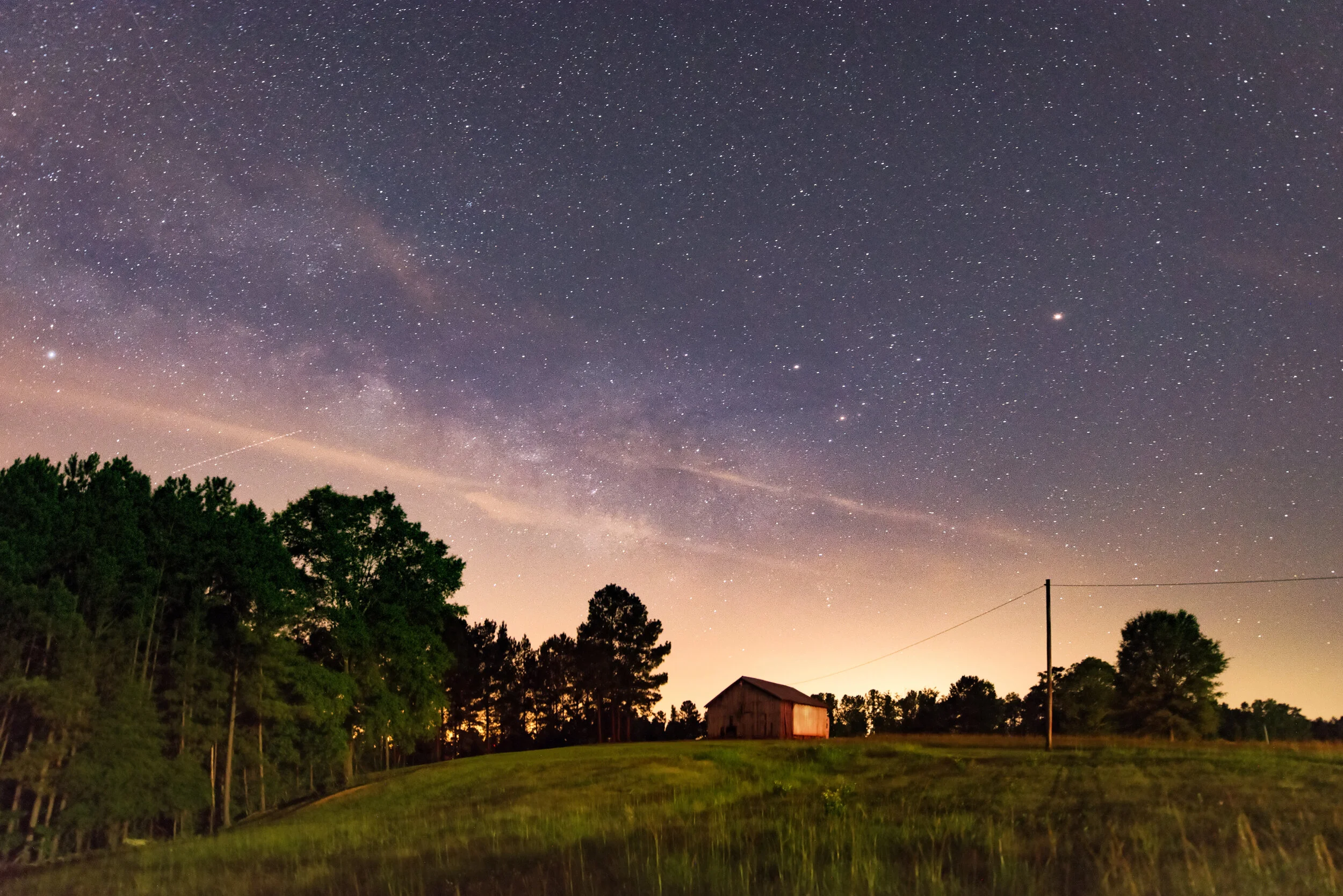
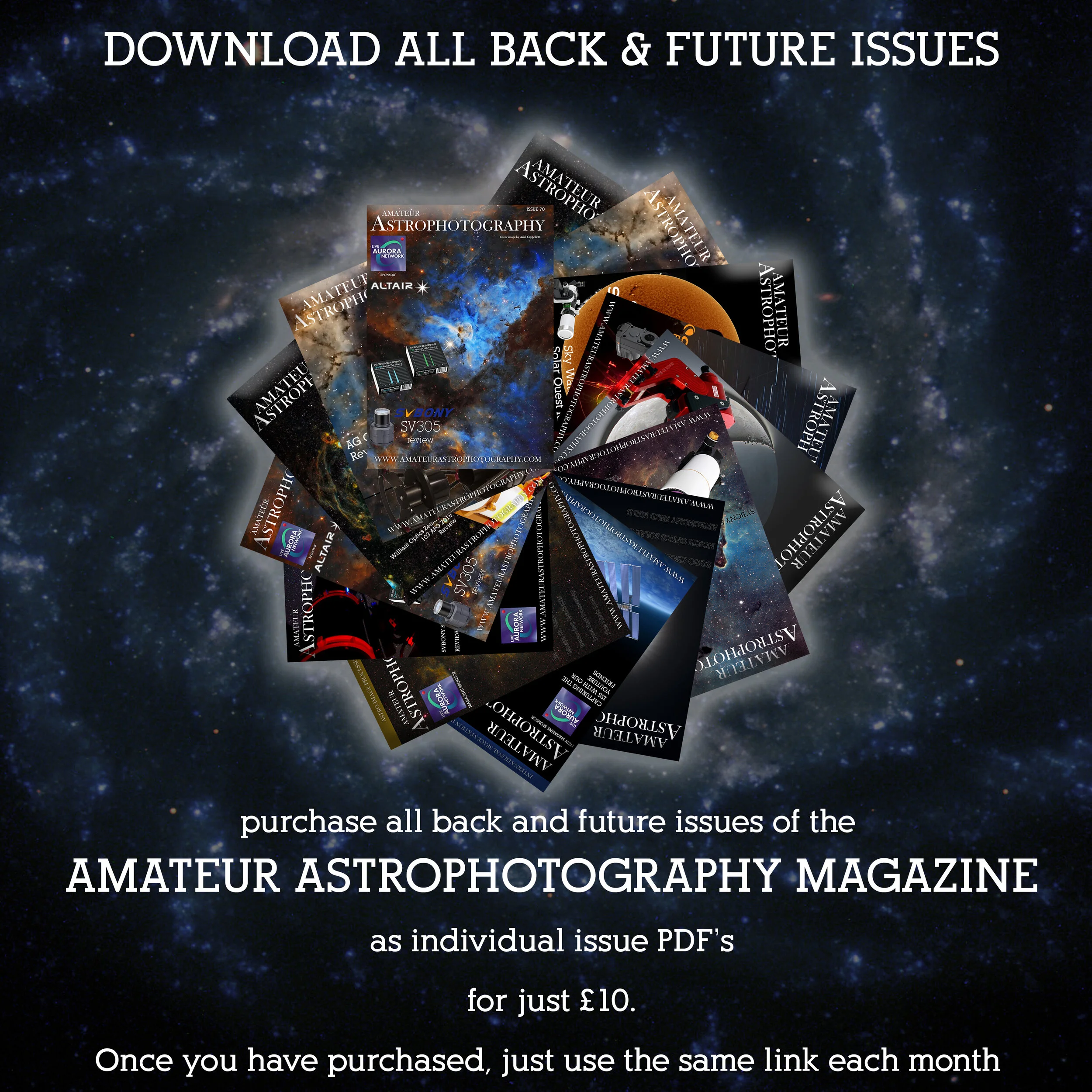
I attended several astrophotography landscape workshops. They took me along the Blue Ridge Highway in North Carolina, Roan Mountain and the Appalachian Trail, The barrier islands of South Carolina, The Outer Banks, North Carolina. My motto was "Have camera will travel for stars" it was a great time.
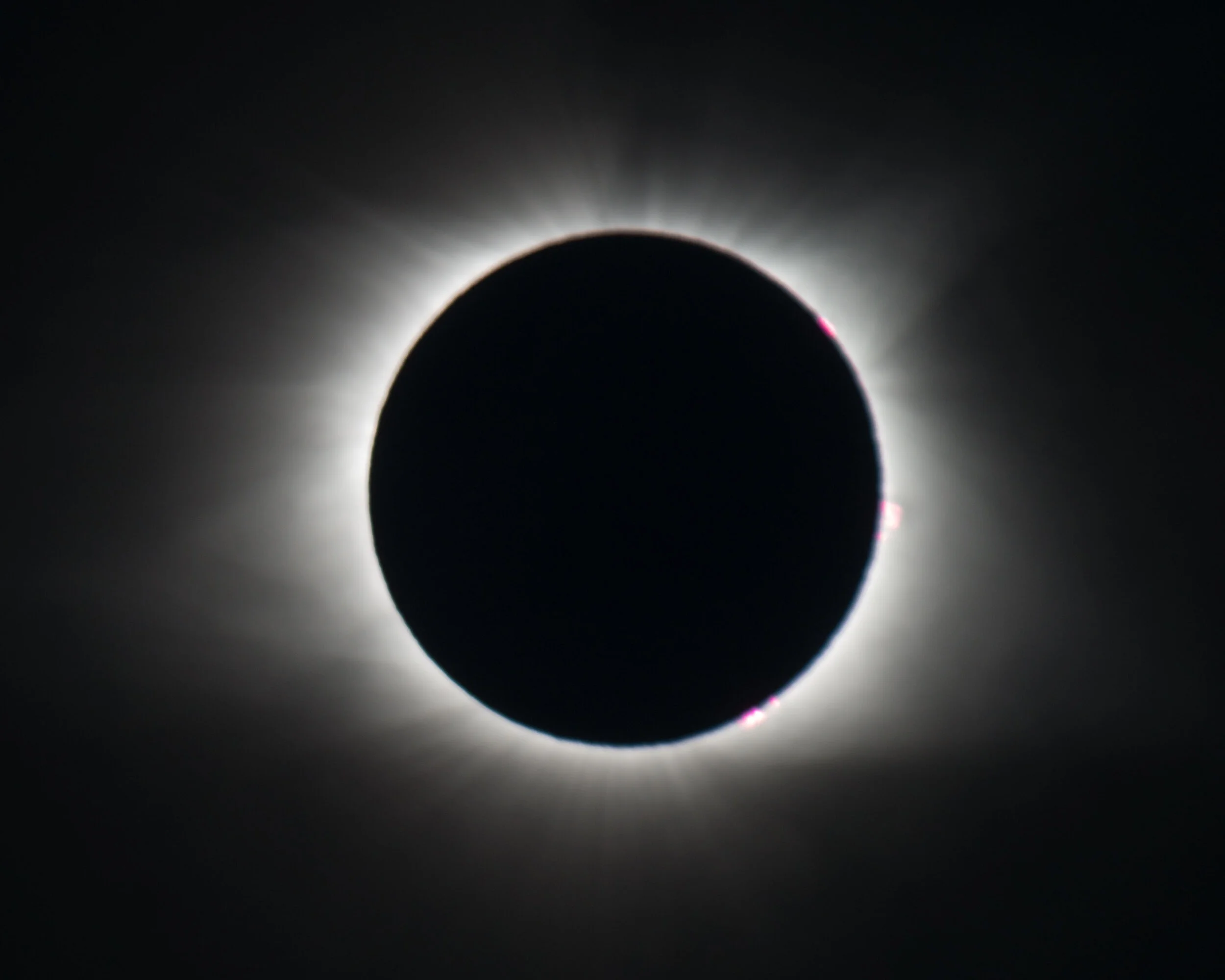
Fast forward to January 2017 and all everyone was talking about for the next 8 months was the summer total solar eclipse. Again clueless, I was going to skip it. I was happy shooting the stars. Then a wise friend said I would regret missing it. He had seen several in his life time and it was special. For 8 months the eclipse was my target. I learned filters, camera settings. I learned the sun had sun spots, who knew? I didn't. I went on the internet every day to see if there were spots and I photographed them every afternoon. The spot was great to focus on. A couple months into my research I realized a tracker would make life so much easier. Chasing the sun with a ball head on my tripod was a pain. I ended up purchasing the iOptron Sky Guider Pro. I learned polar alignment, balance. I was always trying to find a way to keep the camera gear out of the direct sun and burning up.
August 21, 2017 the big day. I set up on a closed golf course in Waterloo, South Carolina right on the center line. It did not take long and the golf course was full of people waiting on the eclipse. We had some clouds, but enough gaps to watch each phase. You could almost hear a pin drop as the last bit of the sun disappeared then the crowd erupted in cheers. Birds were silent, Crickets began to chirp. It was breathtaking, and I was going crazy taking images and changing settings. Wow. I am so glad I listened. Just after the main event finished, a cloud moved in and the rain started. I was so grateful the rain held off till the eclipse finished the main event.
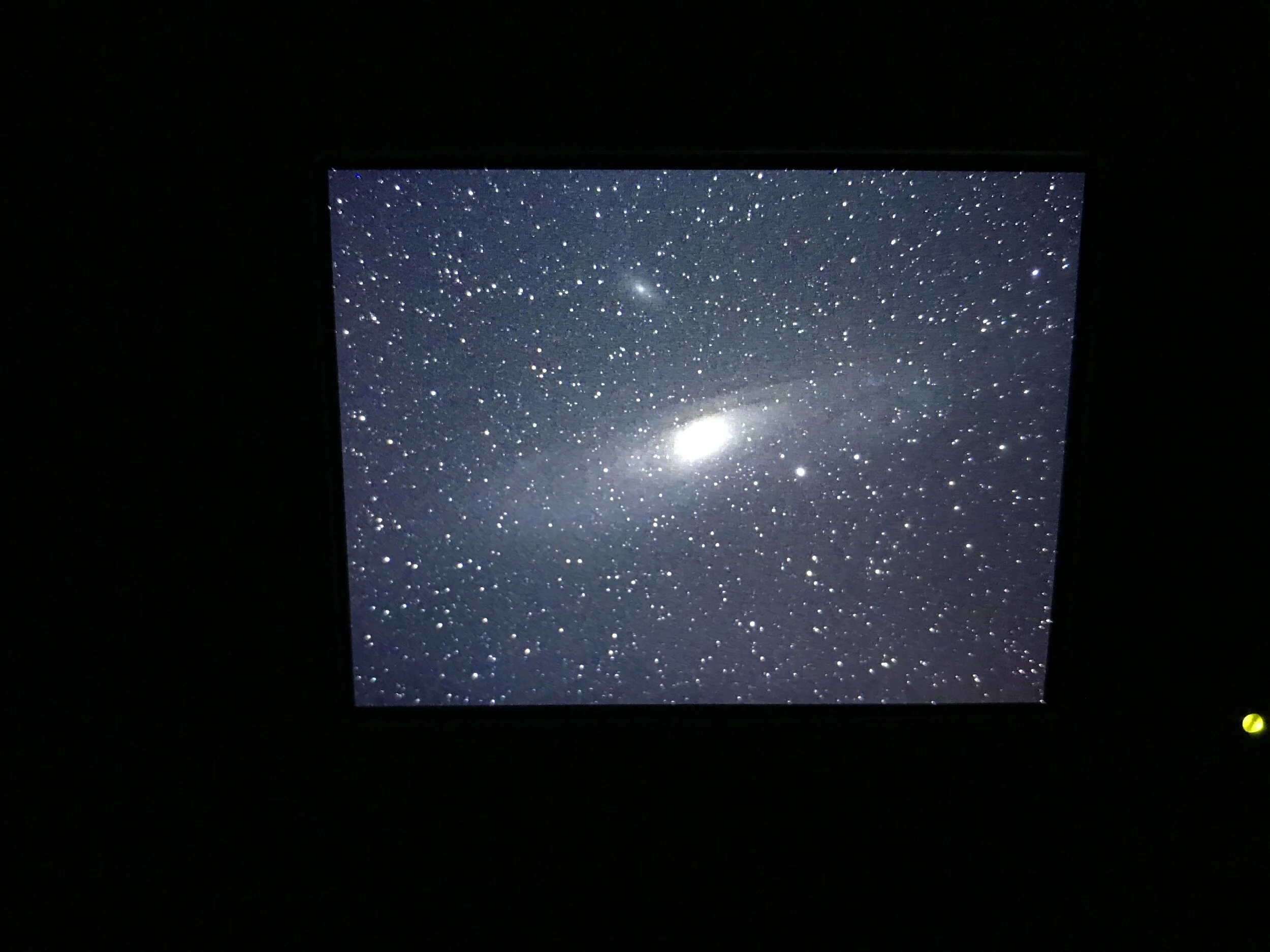
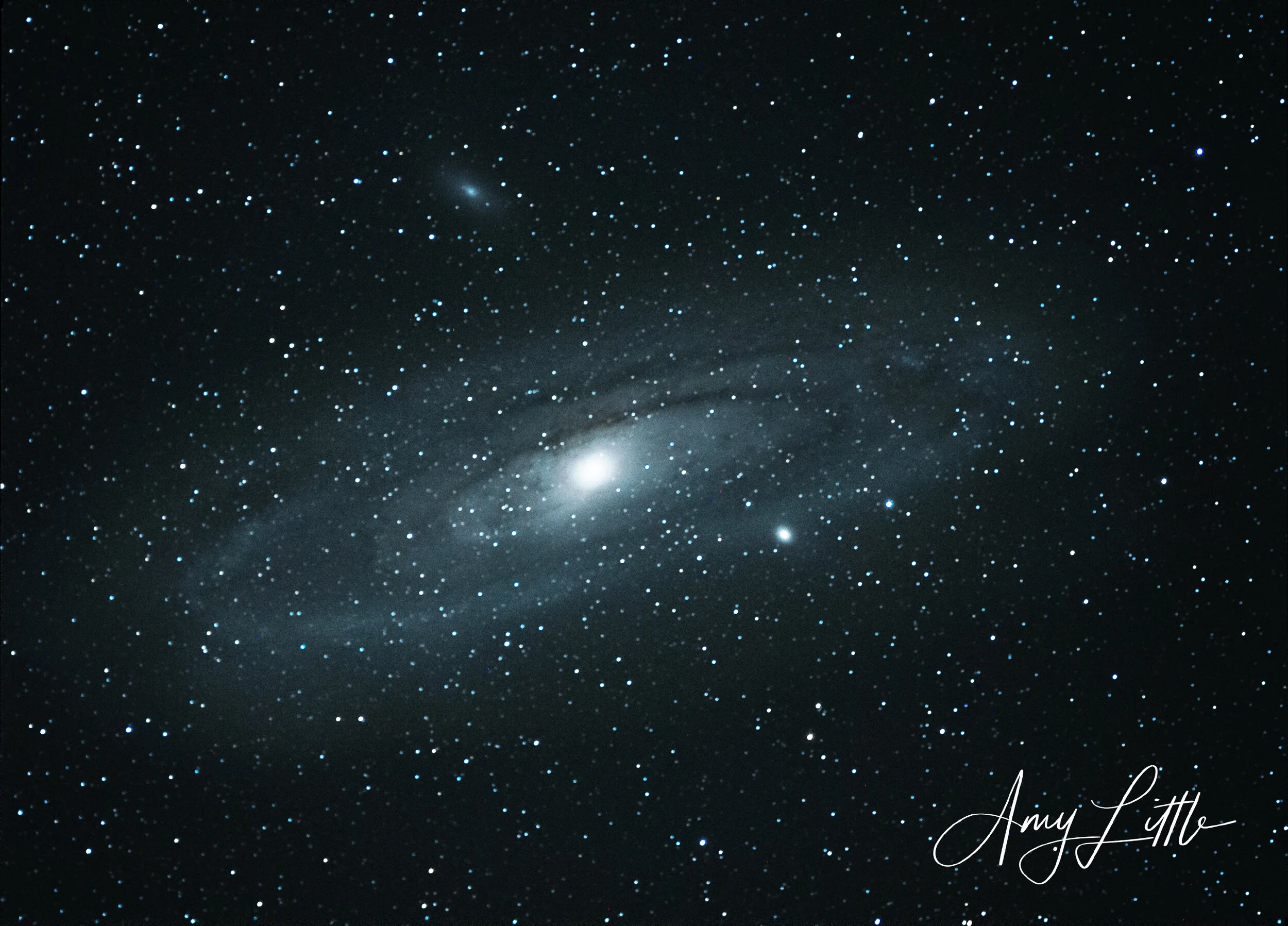
With the eclipse over what was I to do with the star tracker? I did a few long exposure milky way photos. Then my friend told me one night when we were out that I could capture deep space with the tracker, DSLR and telephoto lens. At this point I have never seen an outer space image unless it was in a text book. He taught me how to star walk to Andromeda.
When I took that first image I was hooked.
Today I look back and I see a bad image, but on that night I was the dancing fool under the stars. I photographed SPACE!
The next day I started to research space. I landed on AstroBackyard's YouTube Channel. Trevor Jones was showing a video of the iOptron Sky guider pro with a Williams Optic Telescope on it. The size was within the weight capacity of the mount. Late on a Friday night I ended up on the Williams Optic website. I found the GranTurismo GT71 and it was within my budget. I saw the Chat was open and started to ask questions and was surprised when William himself started replying. He eventually turned me over to his son as he was the astrophotographer. That night I learned that if I purchased a telescope I also needed a field flattener. The flatteners were on backorder, but they let me purchase one and
promised to ship it when it came in. To my pleasant surprise the telescope arrived a week later with the field flattener in the package. Serious customer service!
I was surprised when
William
himself started replying.
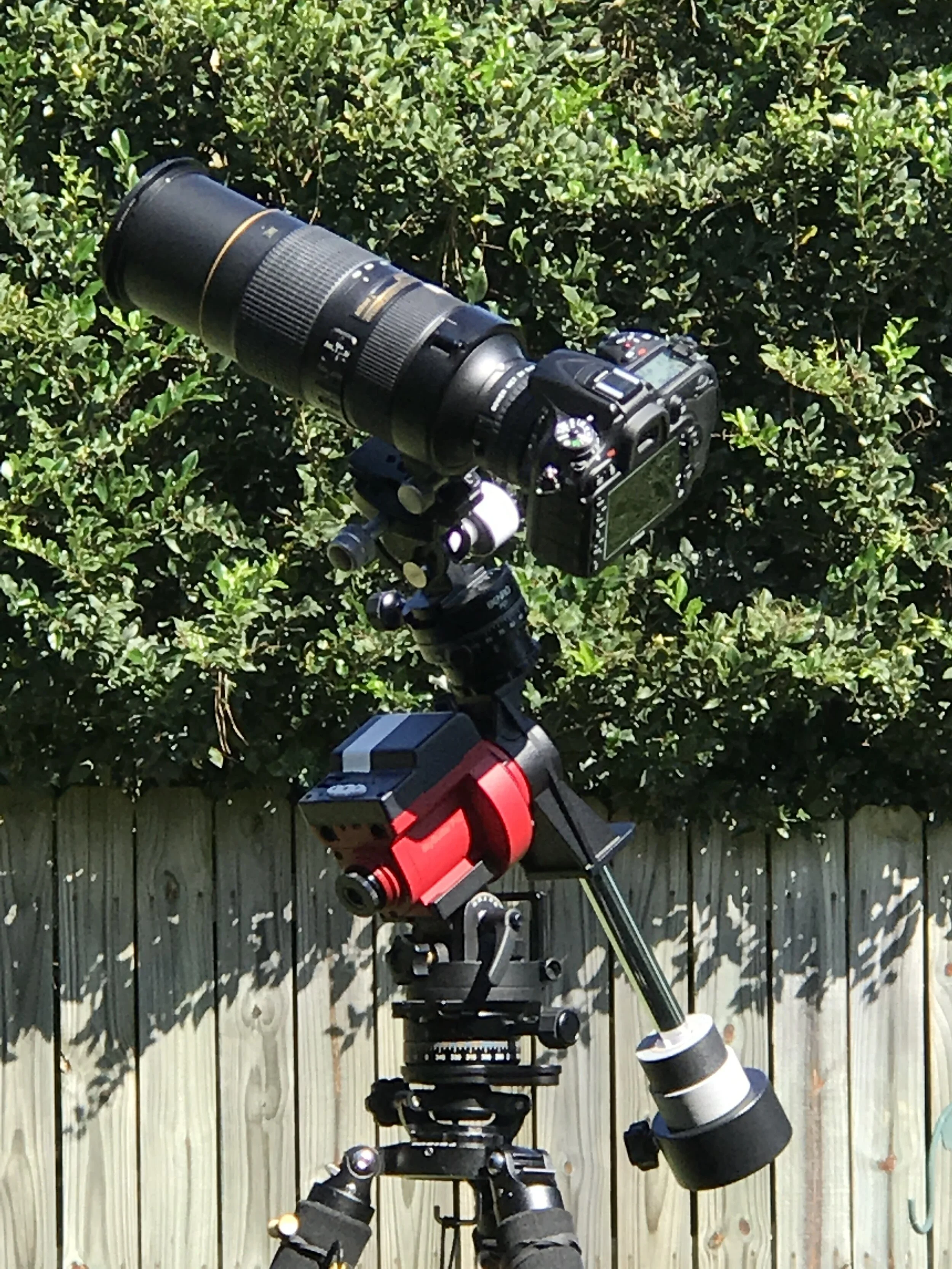
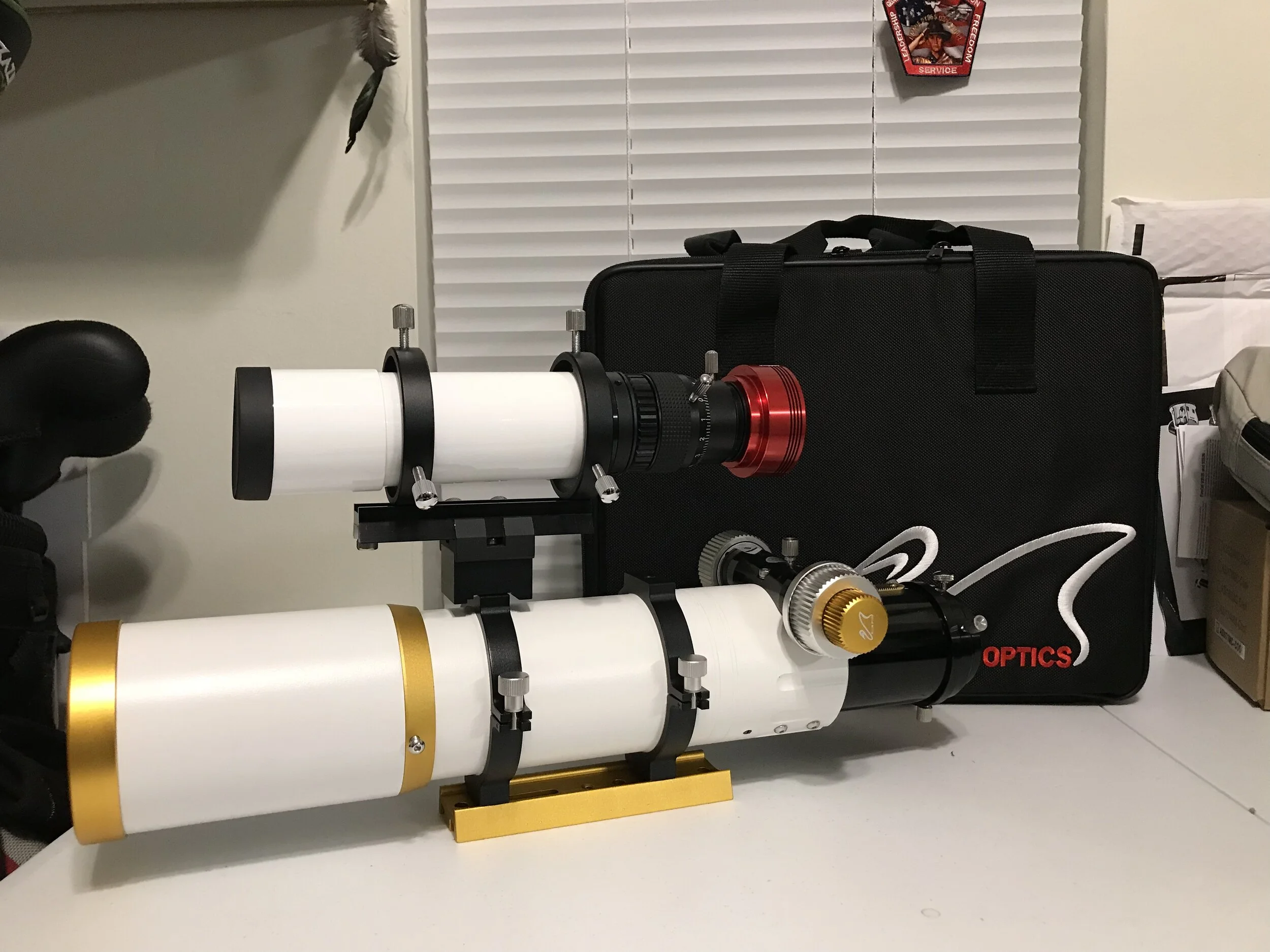
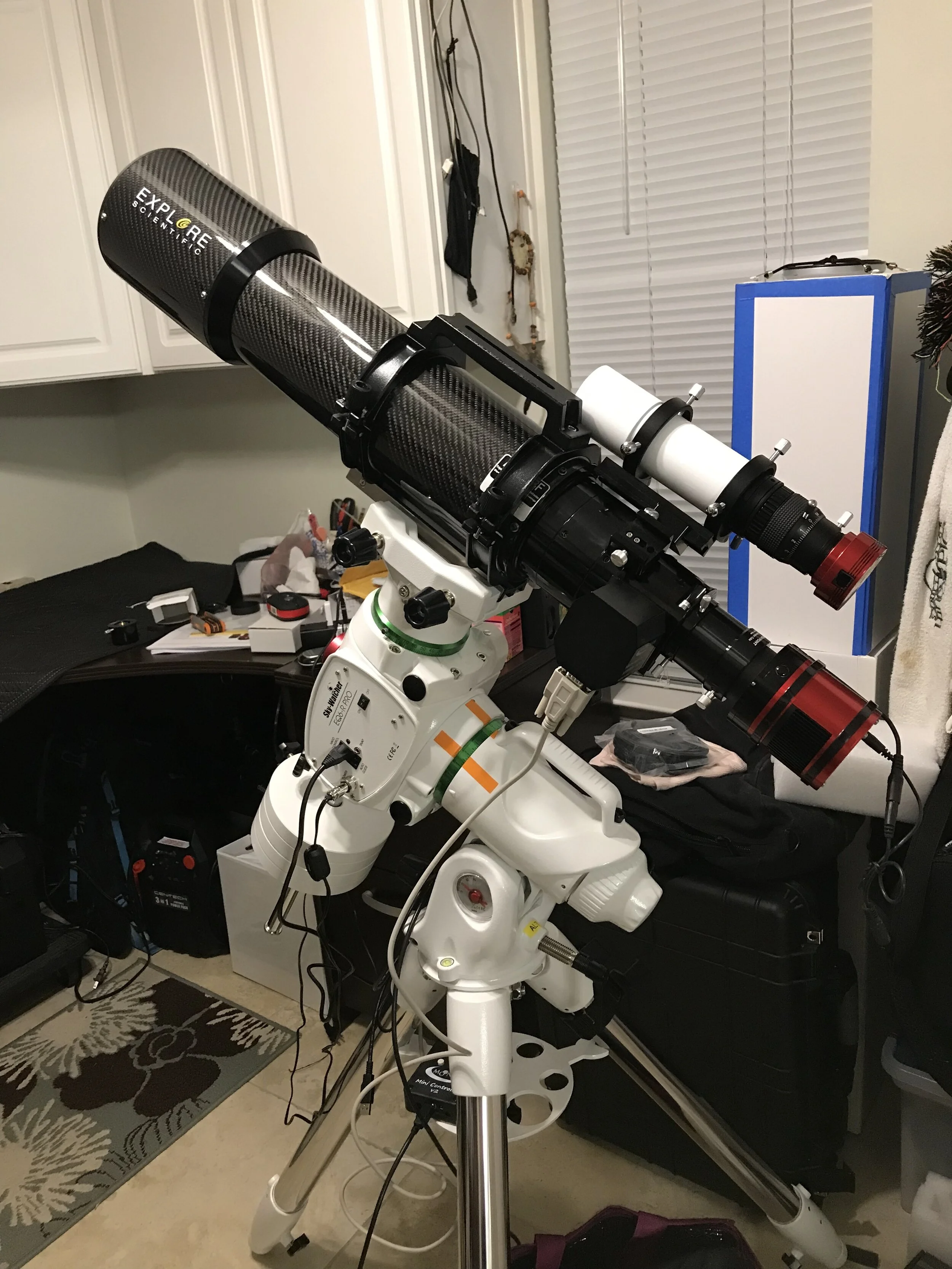
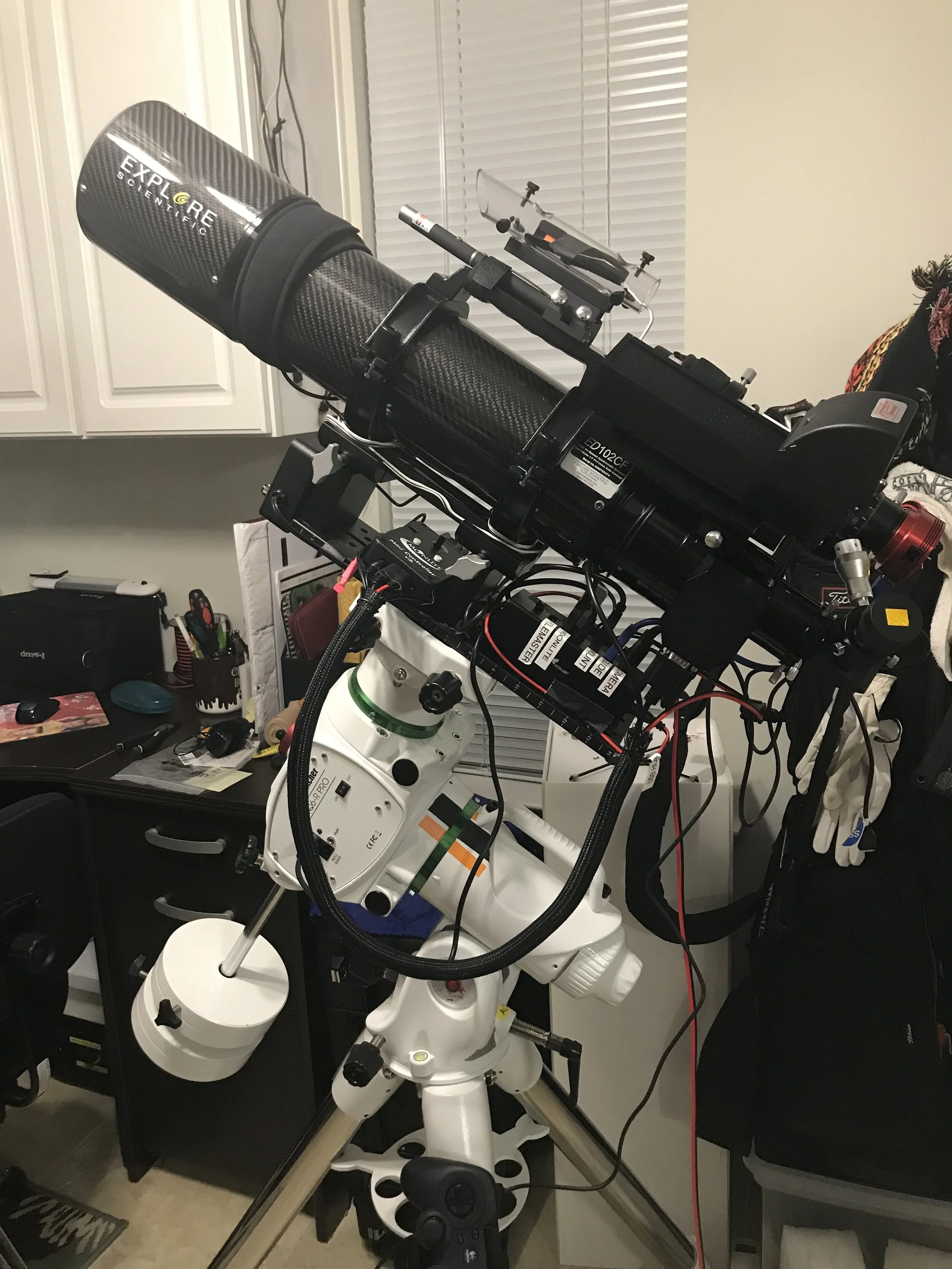
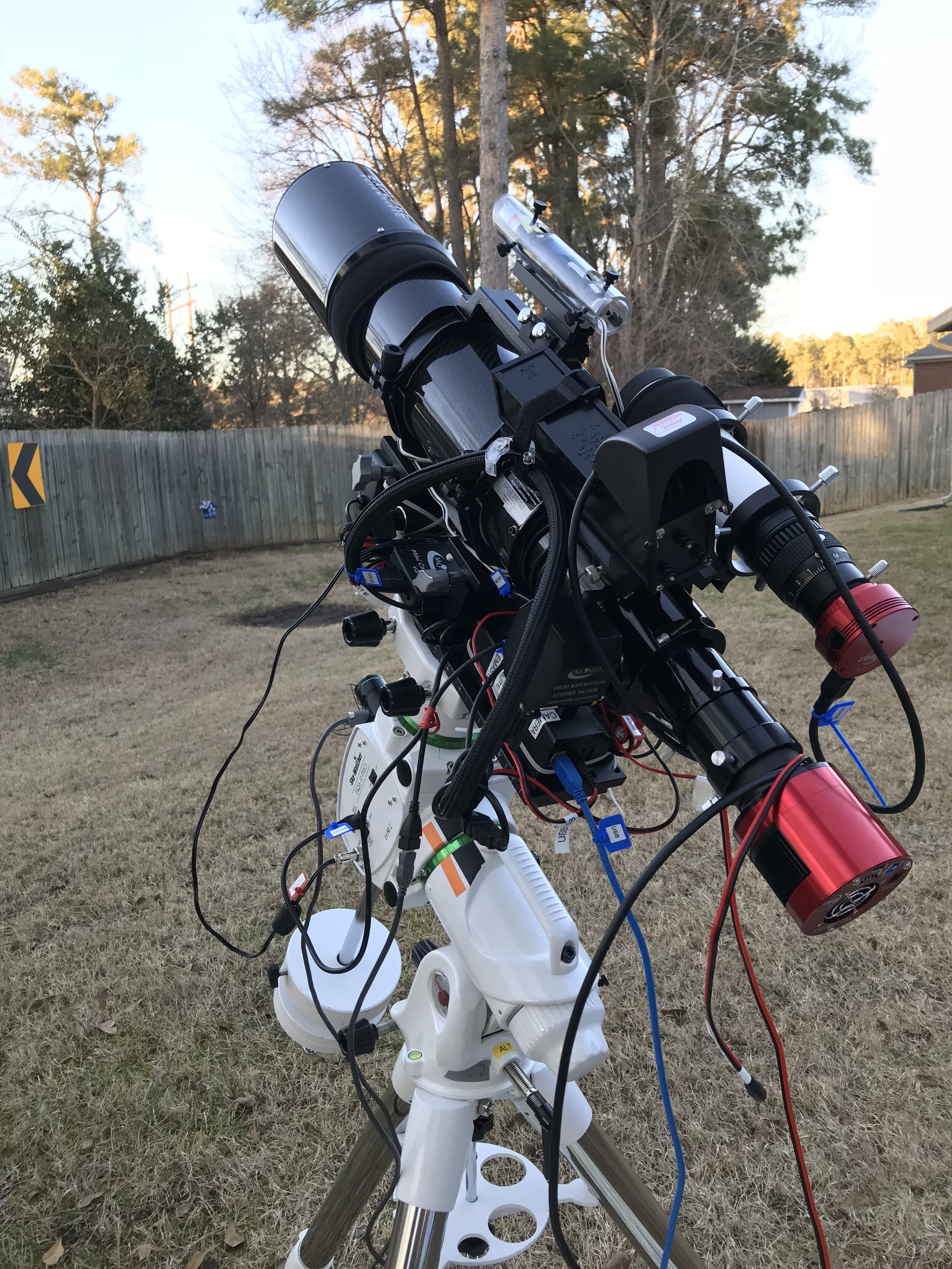
I imaged with the iOptron sky guider and the WO GT71 for a couple months. I quickly learned my limitations and what I wanted to accomplish. Back to Google. I did a lot of research on mounts. Finally I selected one, I called High Point Scientific to verify this is what I needed for my goals. We had a great conversation and I quickly learned that my selection would limit me quickly and I needed to look at something else. No pressure to purchase, just some solid advice. A week later I purchased the Sky Watcher EQ6R-Pro. What a beast compared to my little iOptron. I just jumped into the deep end of the pool.
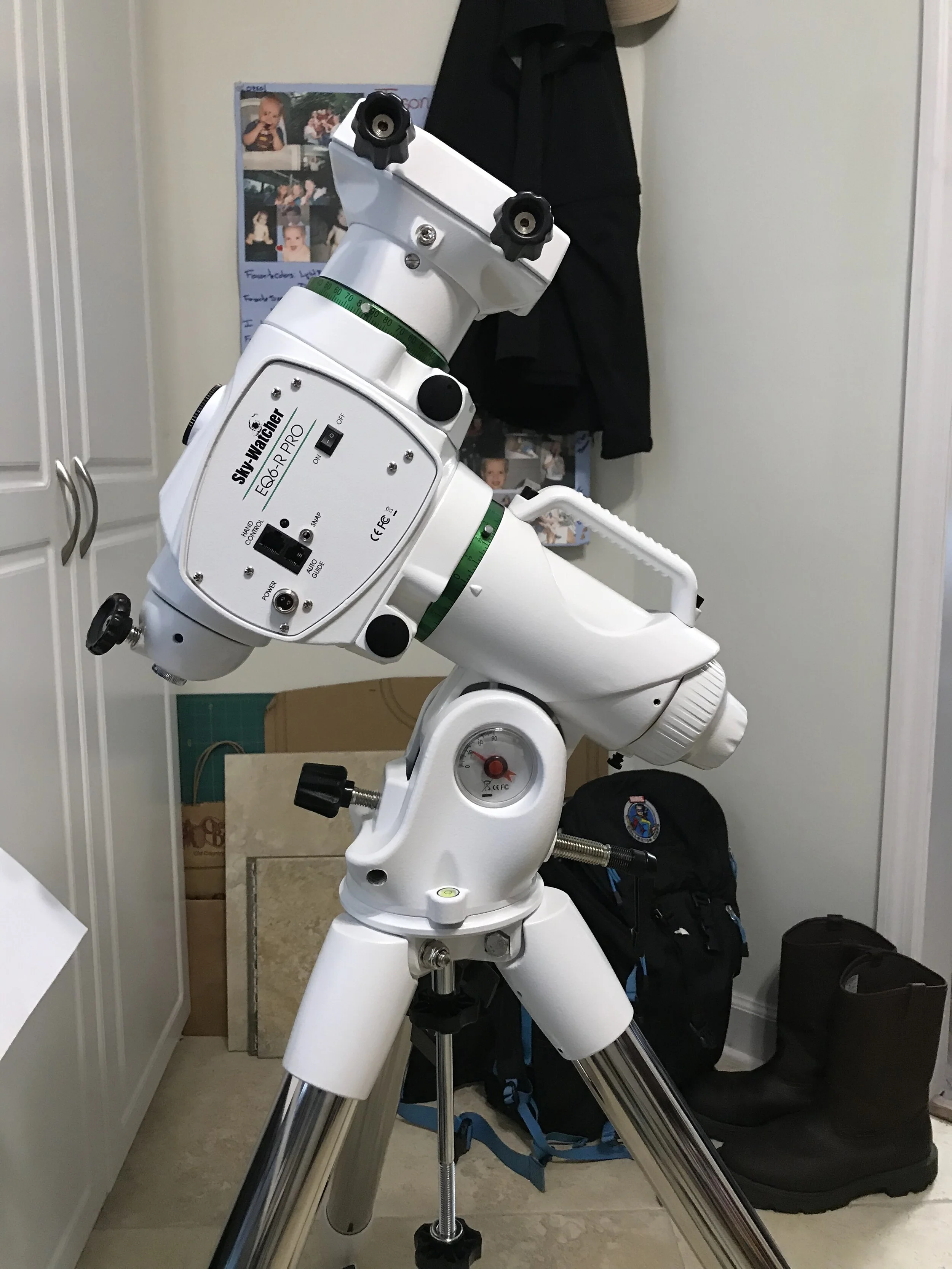
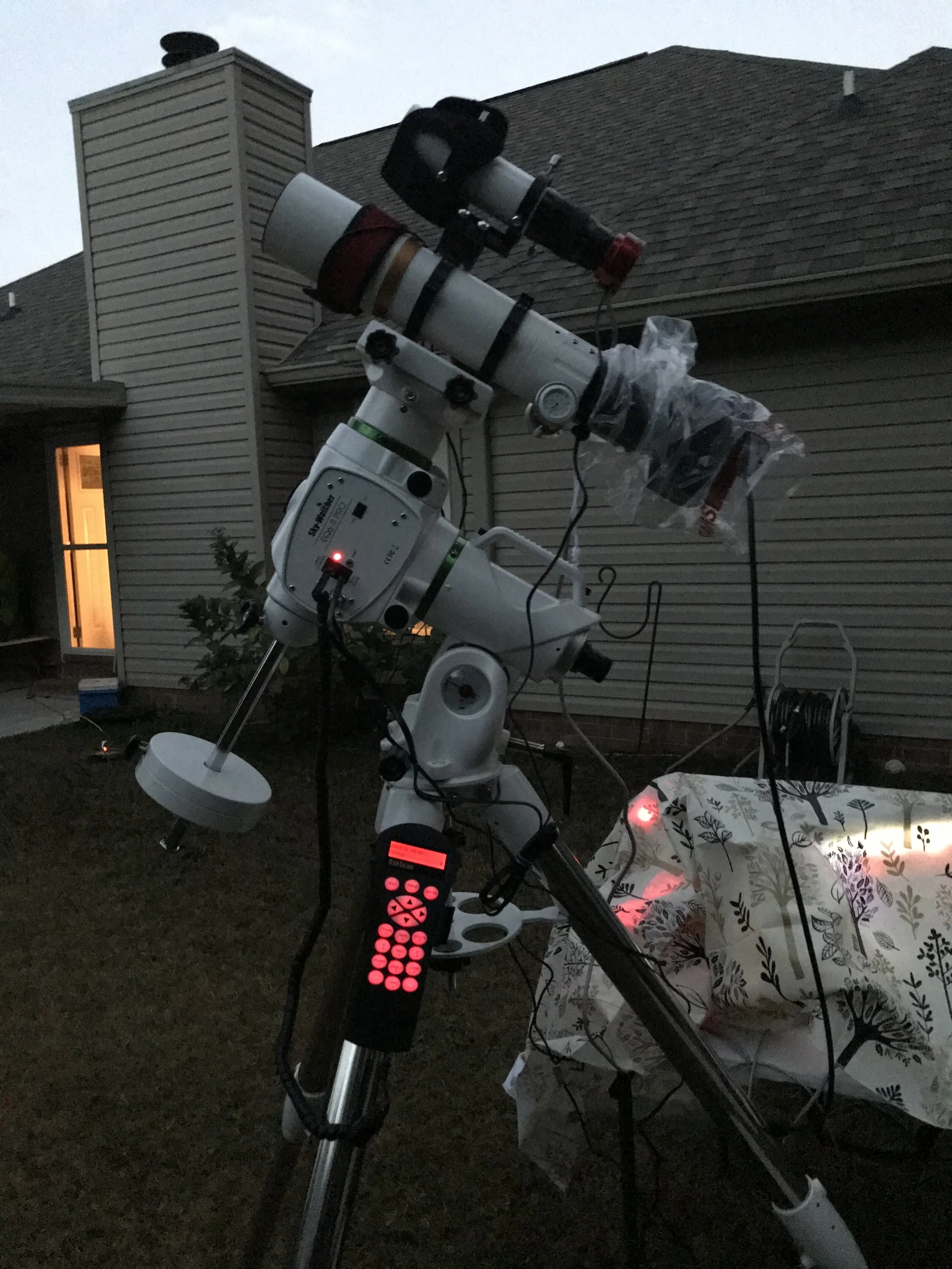
There was a huge learning curve with the new mount. I joined several facebook like “The BackyardAstro Imaging Club” & “Telescope Addicts” groups and asked a ton of questions. Everyone is so helpful and friendly. A local club notice a post and recommended that I stop by a meeting. I did and joining the club was the best decision I made. I joined them on an outing and they had all my gear up and running in no time and showed me how to do it! Having friends in the hobby is so helpful.
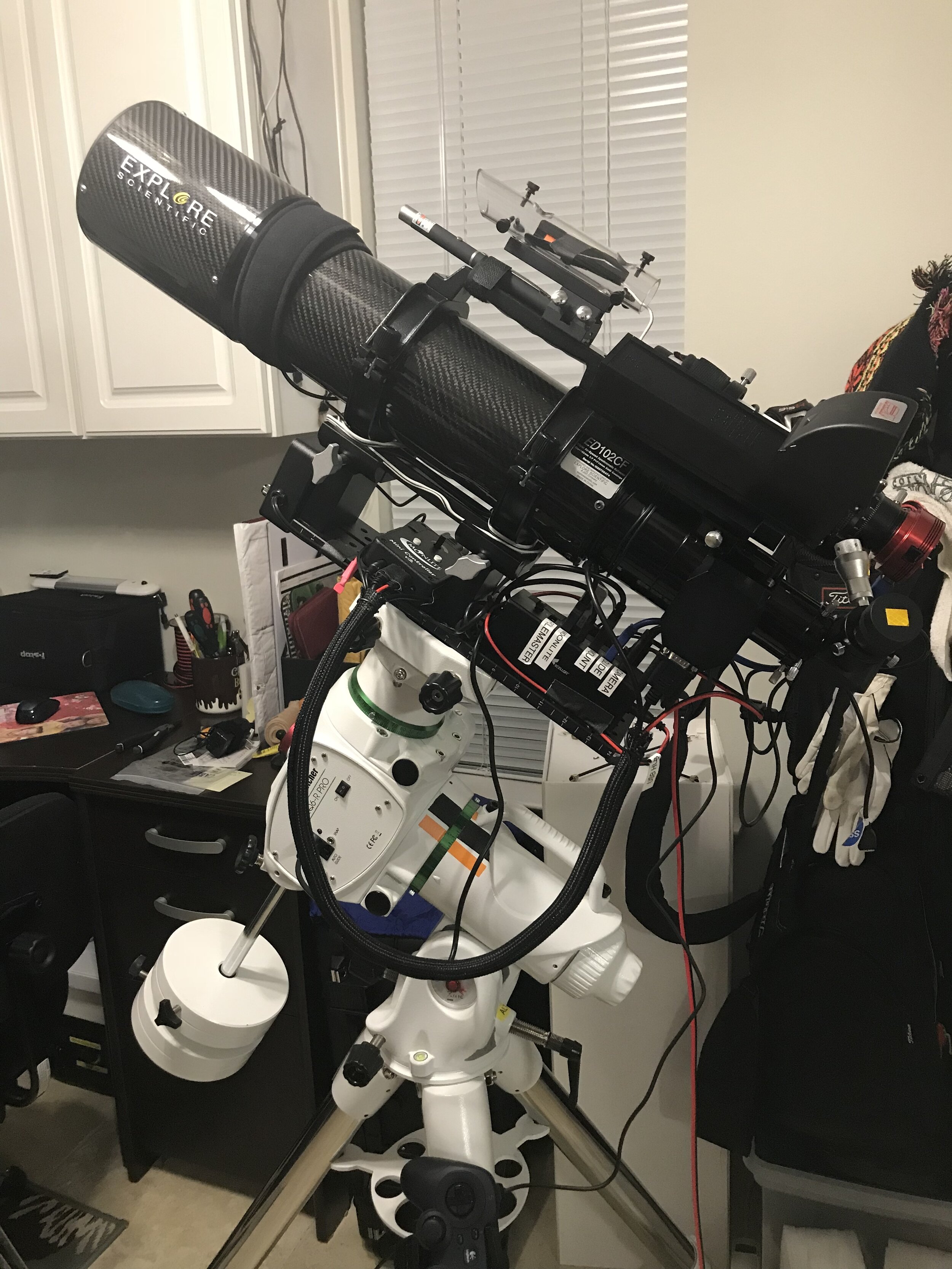
Over the next two years my gear changed, it grew, there are more wires, more gadgets and now wifi. I made some good purchases and some bad one. My friends helped me along the way. I have made so many friends in this hobby. I could not have done any of this so quickly without them.
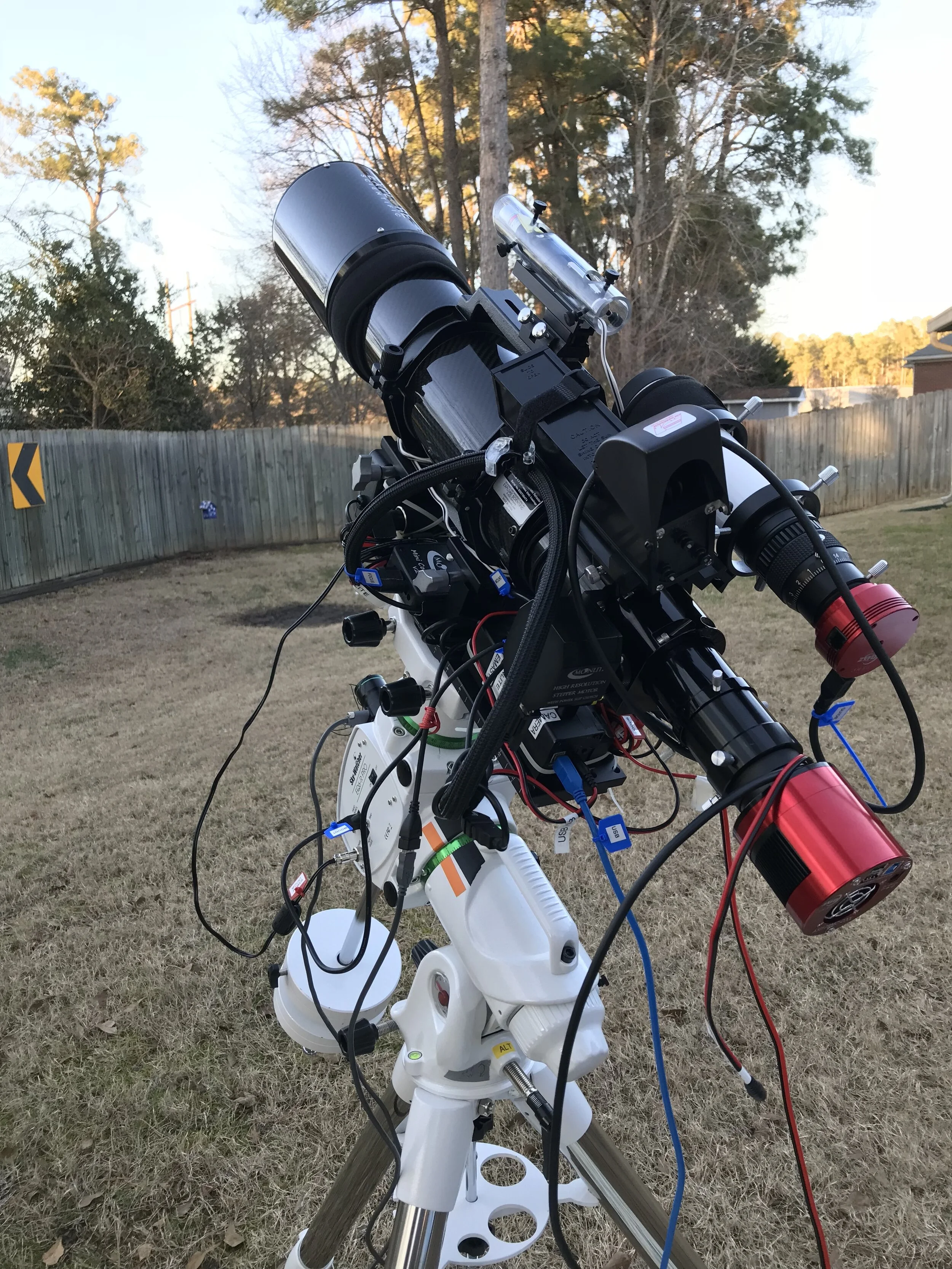
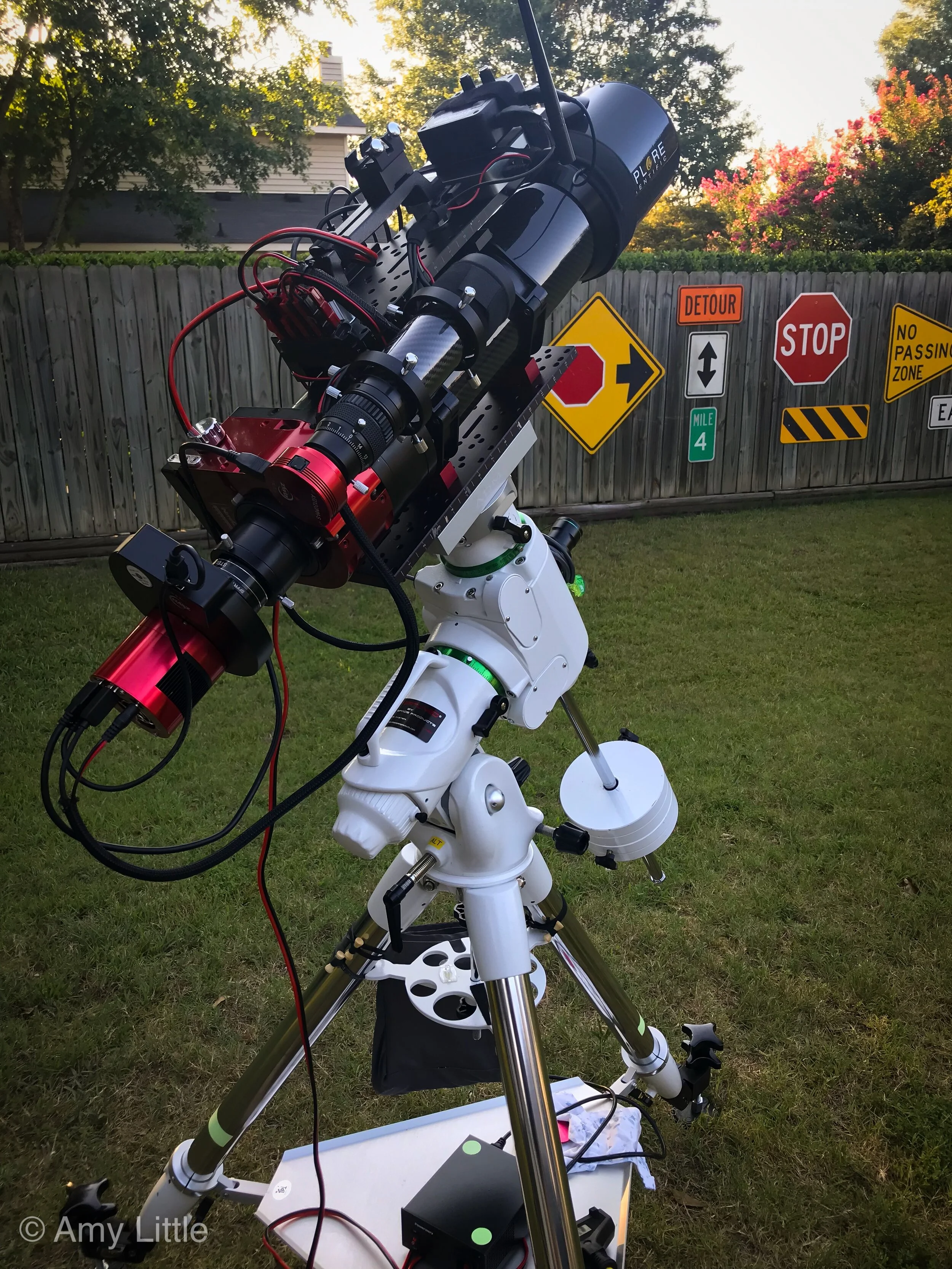
With my photography background I naturally excelled at the processing portion of the process. Again, I feel I have a skill I can share with folks and contribute to the hobby. This is all about sharing our knowledge where we can. This past August I started a YouTube channel called "Amy Astro" I am using
this platform to help folks with the processing. I am showing PixInsight edits step-by-step. Breaking down the processes and answering question. Stop by and check it out.
The night sky is so therapeutic. Yes, there are some frustrations, over all the experience is completely worth it. Do not let your lack of astronomy knowledge stop you from trying. Join a club, a FaceBook Group or follow a few YouTube Channels. There are plenty of folks who would love to share their knowledge. It truly took a village to get me where I am today.
This village welcomes everyone.