Eagle3 One Year On
by Tim Cowell
I have made some terrible purchasing decisions during my time enjoying this wonderful pursuit. A very expensive and completely unsuitable telescope, a camera that has more in common with an ice maker and a wobbly mount made from cheese. As I gained experience, I found most of my issues were technical. Some say that this is all part of the learning curve and that astrophotography is a skill learned the hard way. Why should it be like this in modern times where all the bumps and dips could have been ironed smooth a decade ago? The Eagle3 from PrimaLuce Lab has the appeal of a shiny and interesting looking door stop but after a few imaging sessions a trusted friend and owner told me it elevates itself from 'nice to have' to 'can't live without'. Might this be the answer to my problems? Shortly before the Eagle3 landed on my desk I had a great astro imaging session running in almost perfect conditions and I was having fun. My little William Optics Star 71 was making easy work of the Heart Nebula and the sub frames were mounting up.
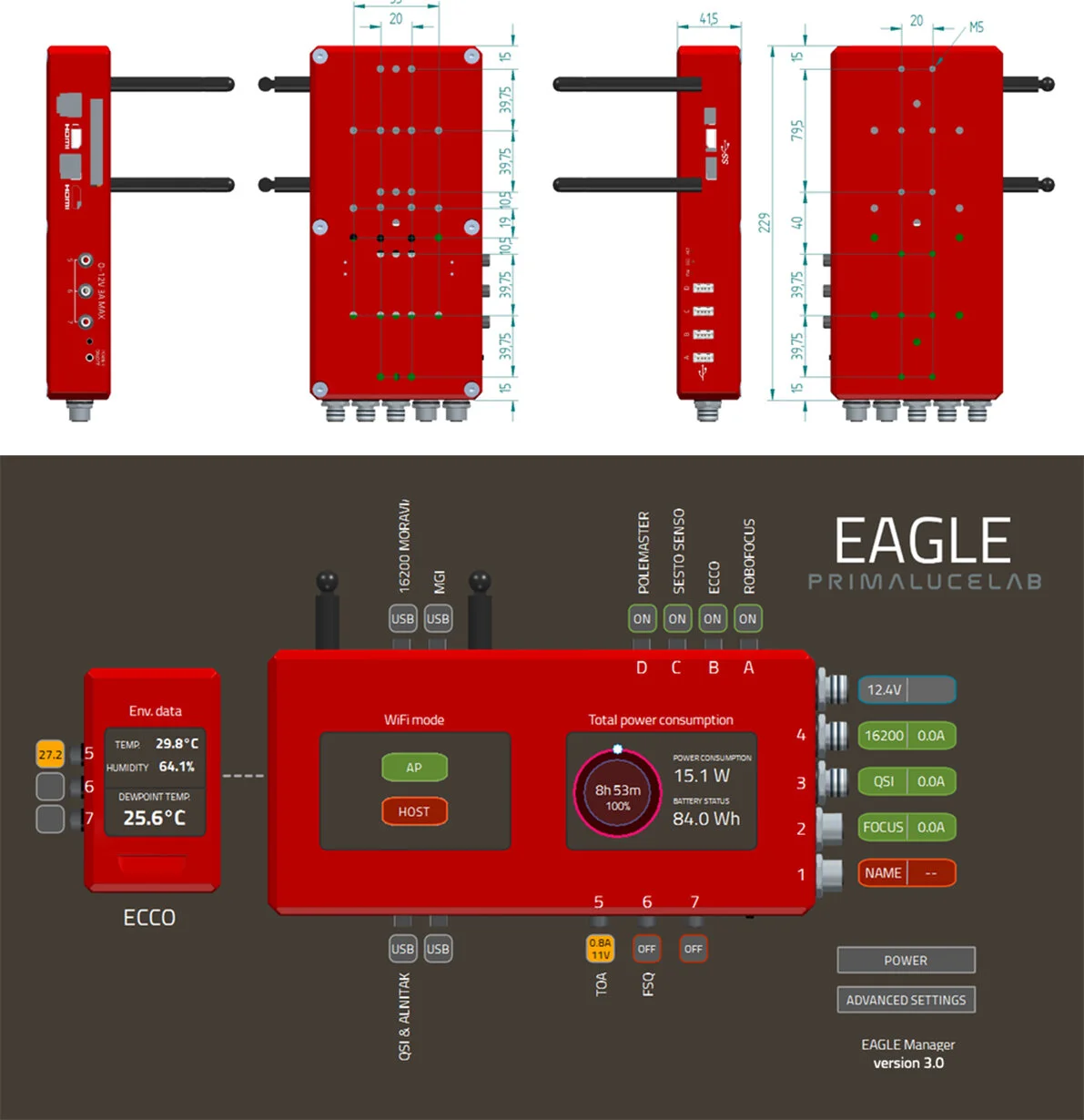
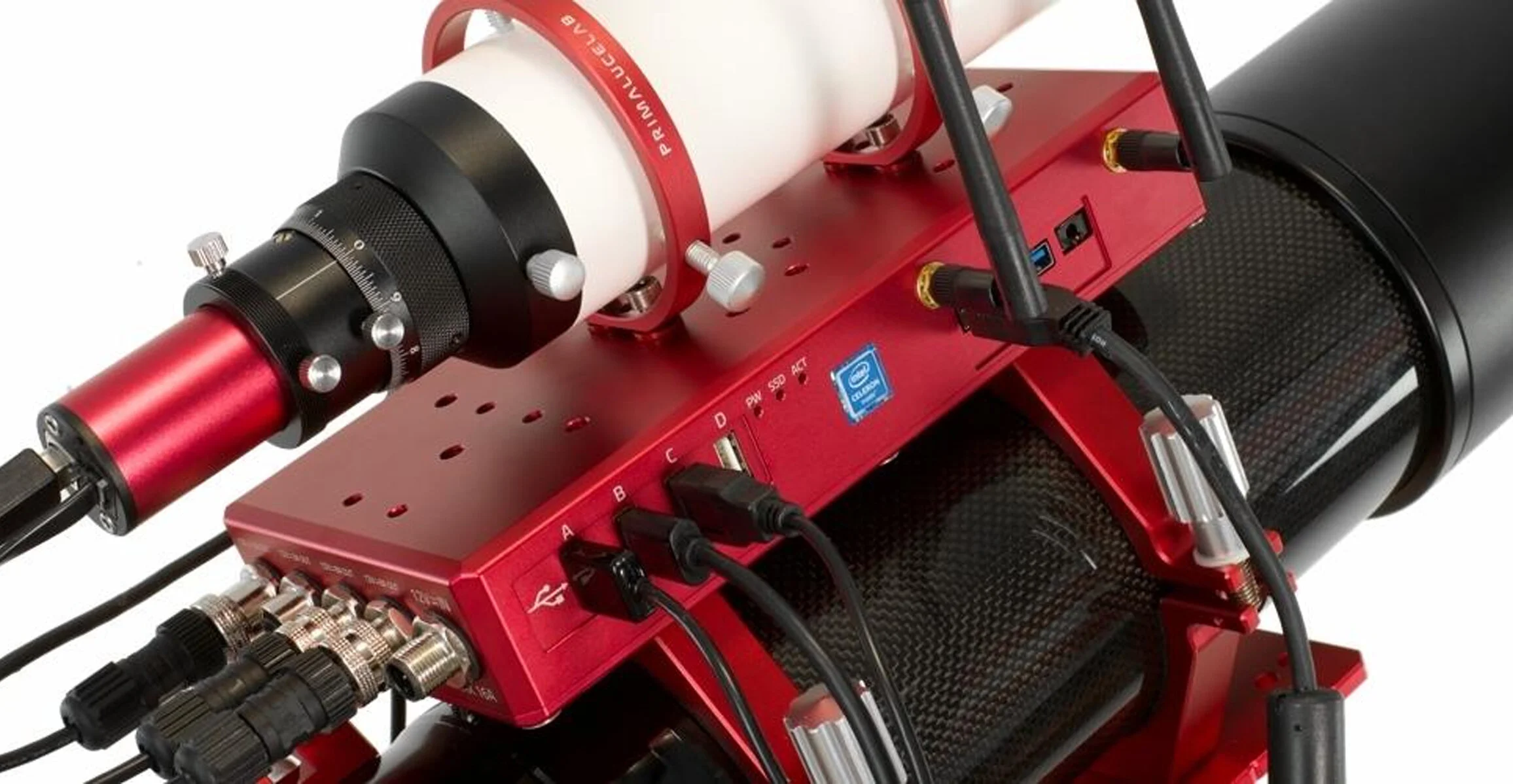
Guiding had behaved itself as the target climbed towards the zenith. Even the dew had become conspicuous by its absence and the rig remained bone dry, lit partially by the dim, red glow of my laptop's night-friendly setting. Out of Wi-Fi range and with no suitably long cable, I retreated indoors to use the loo and make a coffee. Happily replenished and with a sense of 'arrival' with my #picoftheday almost in the bag, it won't take much imagination to feel my anguish, as in those few moments the laptop had been cable-snagged and was now being dangled and mangled. These lovely Eagle computers had caught my eye from their launch marketing and appeared to be financially out of reach at first glance. Flipping between ads for a replacement laptop of suitable specification and Facebook, where I had posted my almost award winning Heart rendering, a repetitive thought drove me to search for Eagle3 and in the UK www.365Astronomy.com looked to be the place to go. The decision was easy to make. Take the cost of a dedicated astro laptop (accidents happen, I wouldn't now share work and play on one machine), then add a useful dew system and power distribution and suddenly the investment in Eagle3 makes perfect sense. Order placed, item unboxed, I wanted very much to settle into this long term, red box relationship and recoup some imaging hours. Being very simple to incorporate into your telescope rig, by way of a plethora of fixing holes on the top and bottom of its strong metal case, Eagle3 becomes your new best friend. Bolted on, you have no fears of wobble or slip and you can set-to with crafting your cabling. This is such a joy for cable management types because all of your connectivity is sensibly laid out, leaving you one power lead to manage externally. All your major power cables utilise solid screw in connections for total security. The 12v DC cable is of heavy duty quality as it must manage all of the power requirements. Naturally, there is a proper mains transformer available should you require it. USB3 ports, 2 each side, and 4 more USB2 ports are super-generous on a unit that has sophisticated Wi-Fi in-built. There are four voltage controllable dew ports too. At no time during the season have I had any power or connectivity issues with the Eagle3. On the odd occasion when my batteries have run down the system sensibly cuts off so there is no danger of a runaway mount. Settling in to a typical imaging session is a stress-free affair. The Eagle3 swiftly boots from its SSD (the customised Windows 10 Pro operating system has been cleansed of bloatware and runs quickly and stably). I use Microsoft Remote Desktop over Wi-Fi to the Eagle3 by way of a standard home type router and am presented, by default with the Eagle Manager control panel. This facility gives a thorough view of the Eagle3 systems and allows setting of values and toggles power to your equipment and dew heaters. You can set a profile for start-up behaviour, so I have all of my equipment for the dual William Optics ZS103 and ZWO ASI 1600 MMC Pros defined and ready.
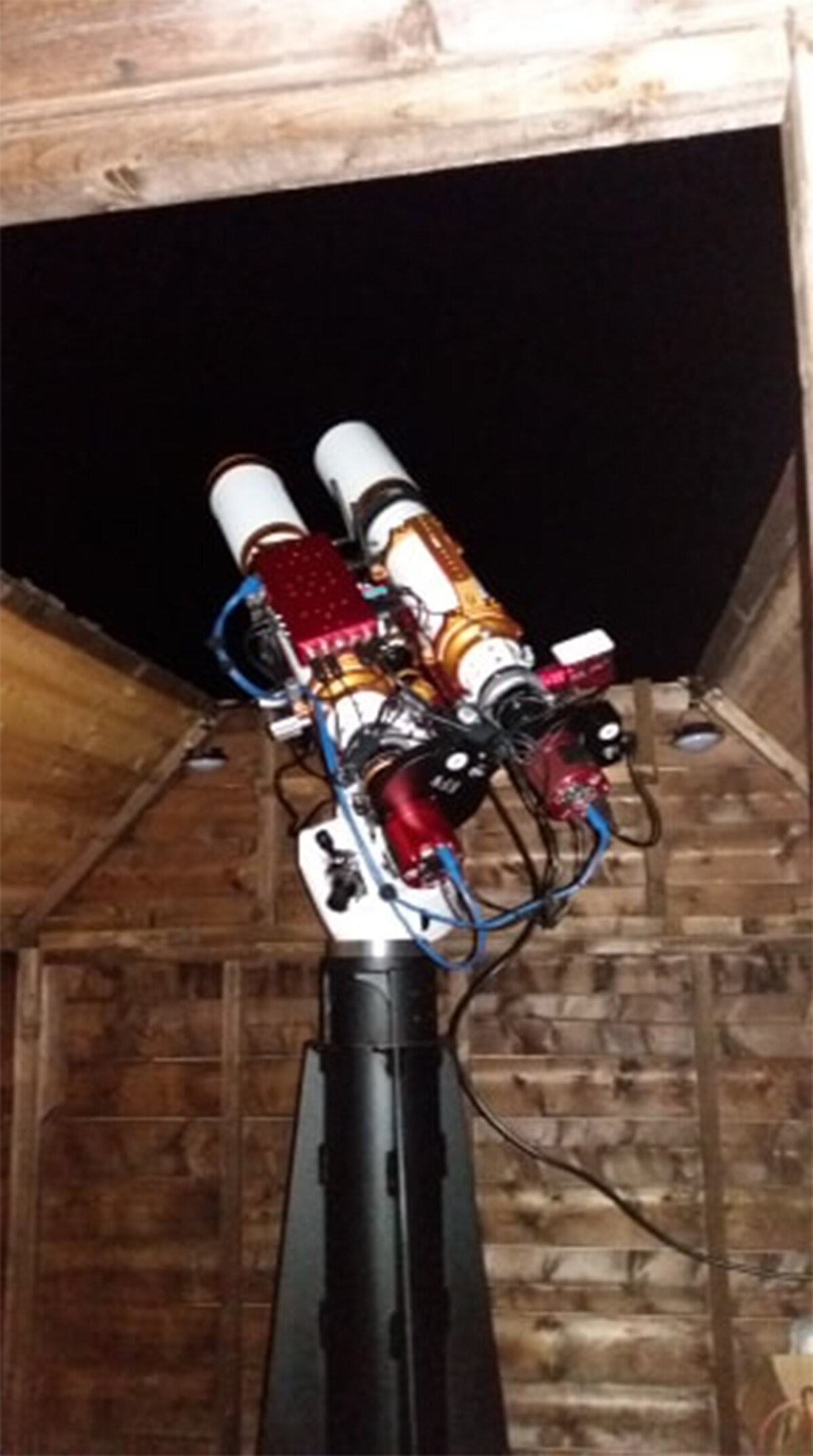
Running two cameras of the same make and model can cause a little confusion at first, but with a little care and logical progression Sequence Generator Pro seems to cope. The Eagle3, however, breezes through this task faultlessly. The processing payload consists of Polemaster (which I leave open as it makes for a fascinating wide camera for live view), SGPro in 2 instances, PHD2, EQASCOM via Cartes Du Ciel. Not a huge burden by PC standards of course but after living with Eagle3 for a few months you notice it doesn't crash or lock up. If it has a quirk it is probably that of dogged reliability. It has become my firm friend, I trust it with my precious work and it never fails. I love being in my warm corner operating the rig from the computer screen.
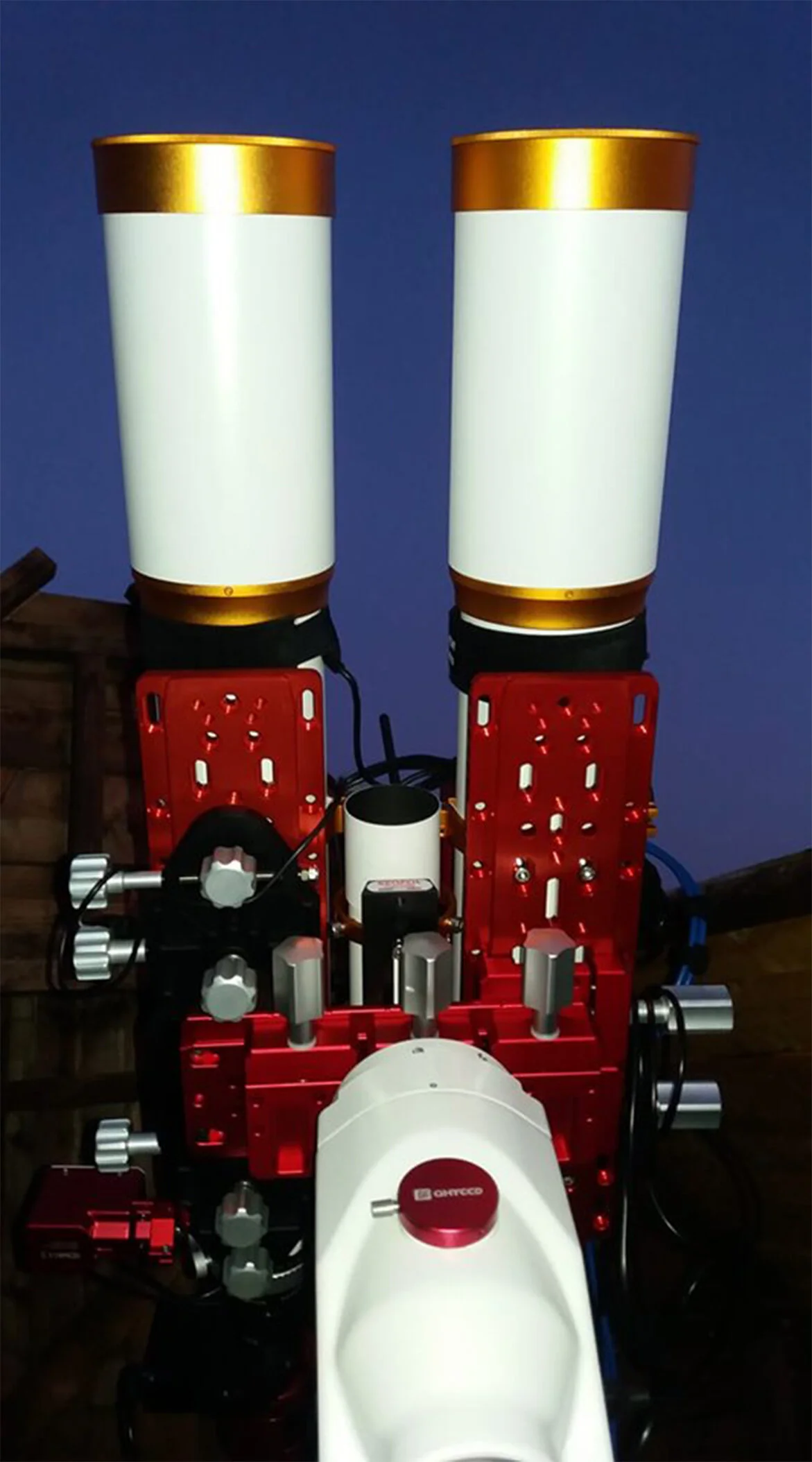
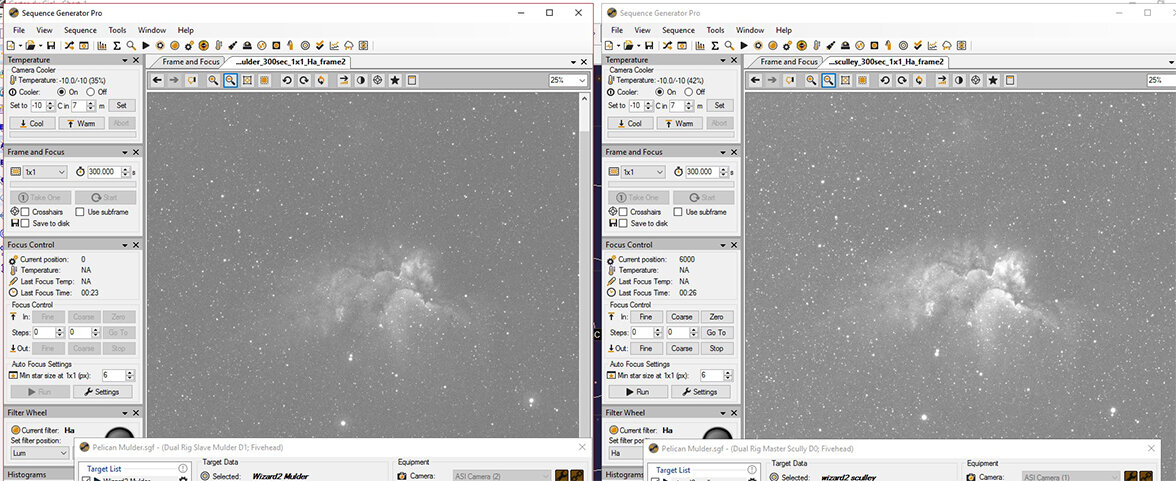
Would I buy another? Yes. If I started again I would have bought a better mount and an Eagle3 to use with my old DSLR before ever considering a bazooka beyond my abilities. Just thinking about that has me itching to get imaging tonight. What would appear to be quite a complex concoction of pipe and steel, wires and chips is reduced to a control panel, a simplified interface that allows me to travel serenely across space. I don't think you can put a price on pleasure and with a deep sky picture building up, sub by sub, with no hitches and glitches, that is a very happy time for me. Thereis nothing quite like it on the market and looking today I see Cyber Christmas Eagle3 deals that offer more storage and faster processing for less money. I'm in! My new Eagle3 may not fly me above those pesky clouds but I know we won't crash.