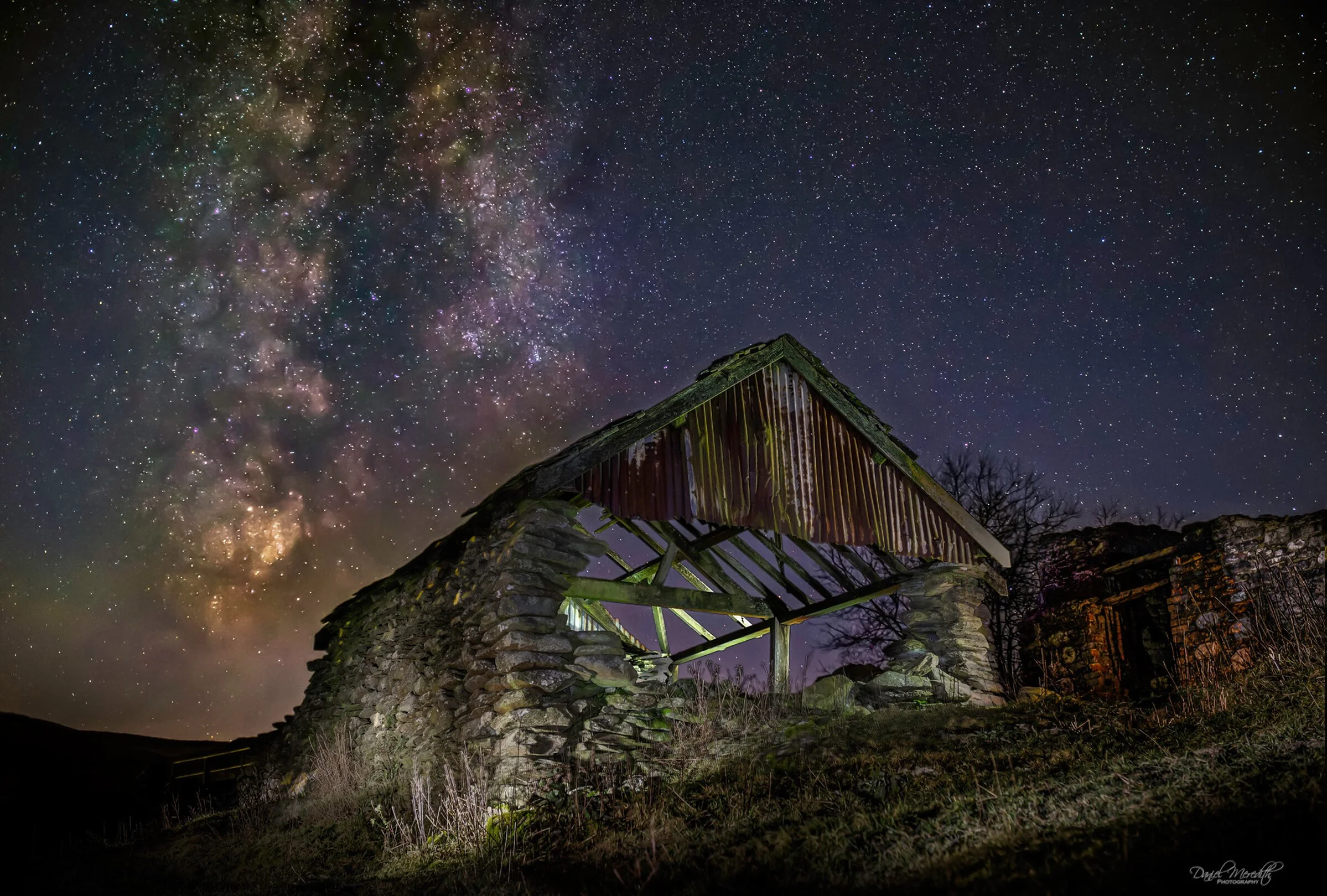
My Astro-photography Journey.
by Daniel Meredith
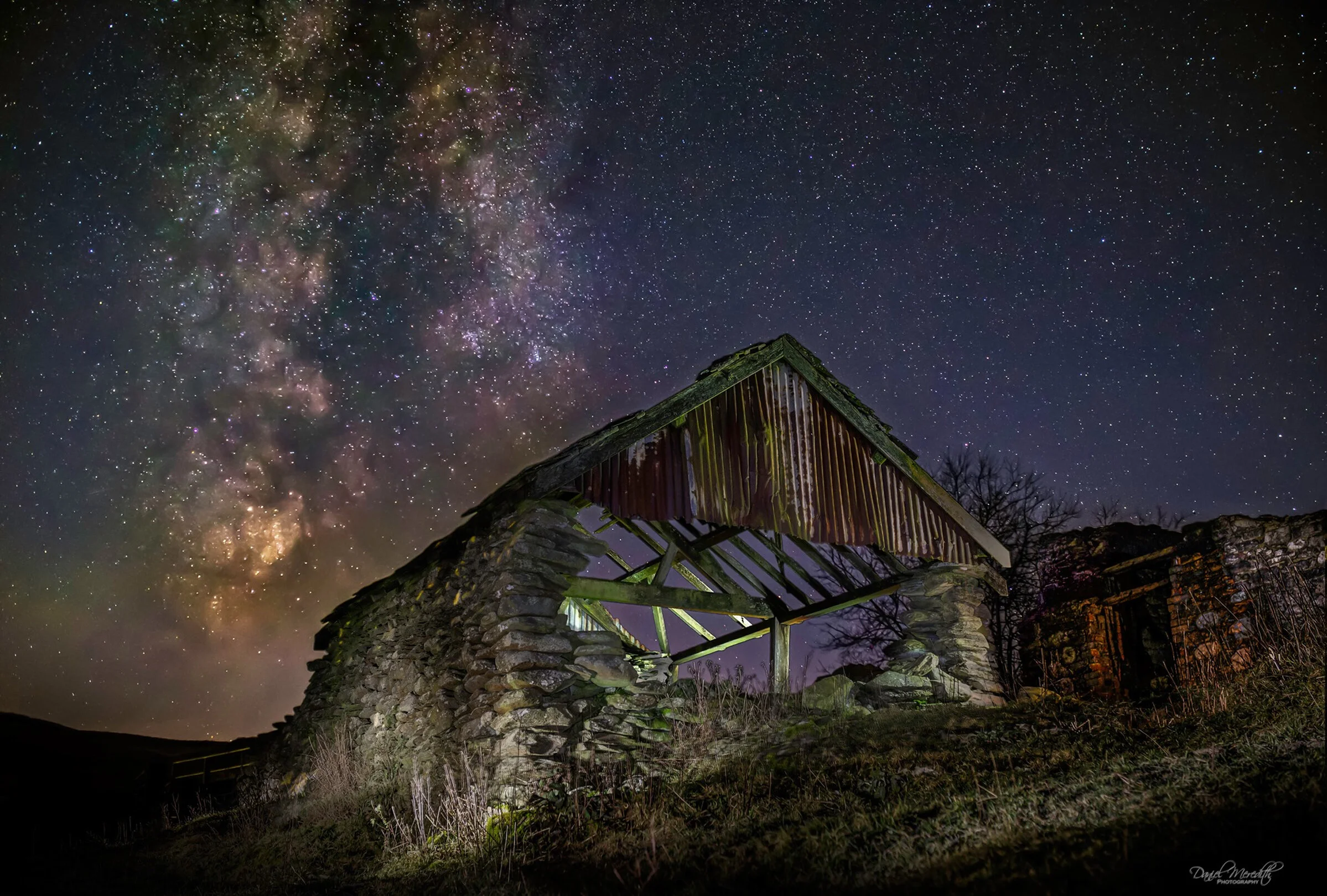
Many people ask me why do I enjoy spending a cold night in dark location's either with company or on my own? The answer is simple the universe fascinates me!
The thought of what is in the heavens and or the thought of the beauty of the stars, galaxies and nebulae, the forces at work that generates black holes, the amount of time that it has taken for the galaxies to form. The thought of space and time conundrum. The way star shine and burn. What happens when a star die? Is there life beyond plant earth? The thought of when you stand there and see the Milky way with your own eyes, your looking back in history, the very first people of this planet and throughout history gazed upon the same gas balls of light, the moon and galaxies. The fact that it makes you feel free and humble. If that dose captures the curiosity of a mind to just stand and look at the magnificence of the night sky, I don't know what will.
Makes every night under a sky of stars worth it.
With a DSLR camera and wide field lens for astrophotography the thing that keeps me taking photos of the stars and night sky in dark location's is the amount of detail you can't see with the naked eye,which the camera can pick up is second to none, which continuously sparks my curiosity further, this keeps me wanting morephotographs of the night sky.
My history of how I feel in love with the stars and space, along with photography.
As many of you probably have the same story that starts like this, when I was a young boy, my granddad kept horses and so on winter nights when it got dark early, we would walk to the farm to feed and take care of the horses and on clear nights i could not stop looking up at the stars or watching the moon rise, My granddad was also in the RAF and learn to navigate using constellations and a certain starts in the sky.
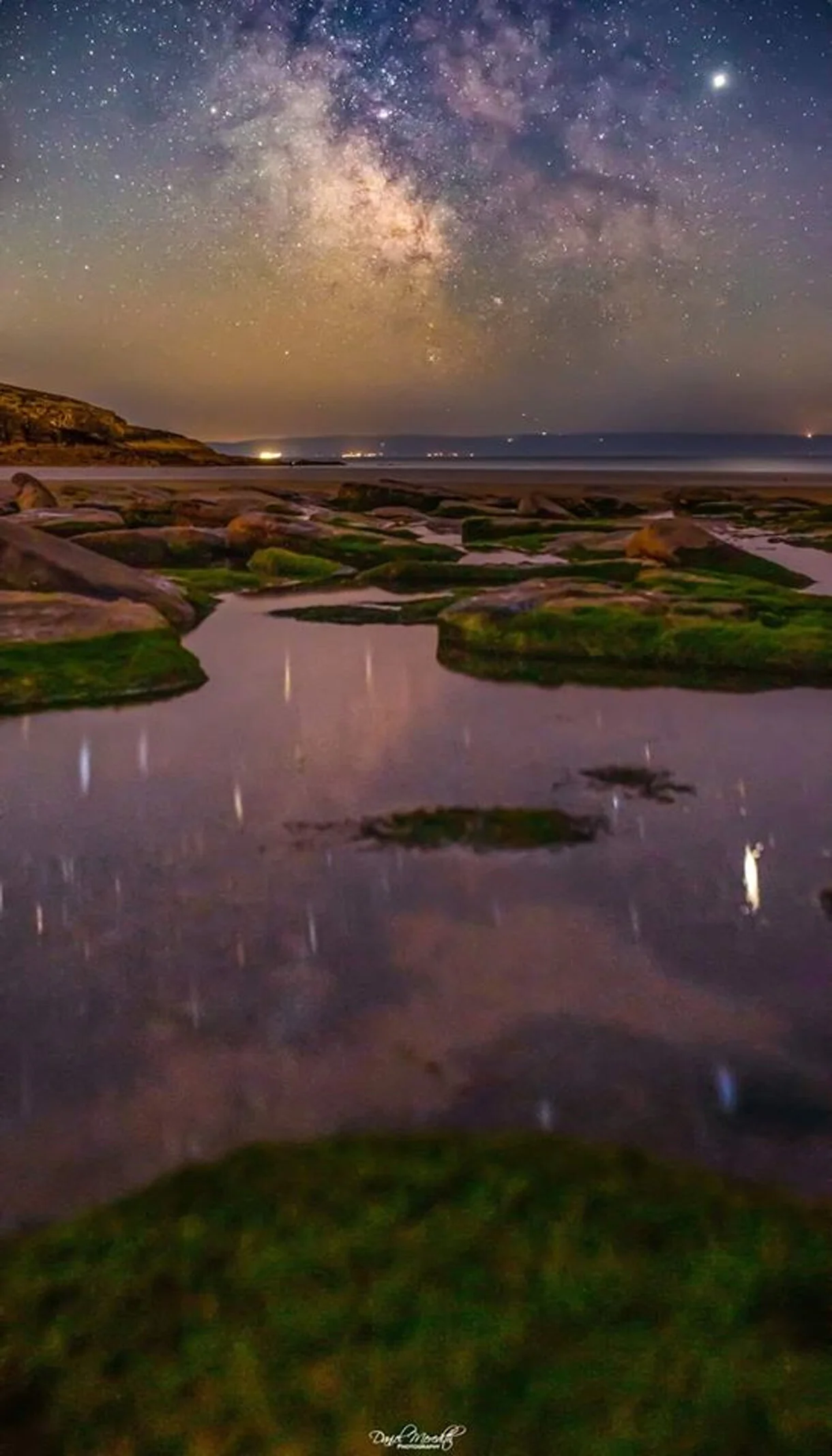
A rock pool at Southern down. 10 images stacked for Nosie reduction. Canon 6d sigma 35mm lens 15seconds a frame F2.8 Iso 1600.
With a DSLR camera and wide field lens for astrophotography the thing that keeps me taking photos of the stars and night sky in dark location's is the amount of detail you can't see with the naked eye,which the camera can pick up is second to none, which continuously sparks my curiosity further, this keeps me wanting morephotographs of the night sky. My history of how I feel in love with the stars and space, along with photography. As many of you probably have the same story that starts like this, when I was a young boy, my granddad kept horses and so on winter nights when it got dark early, we would walk to the farm to feed and take care of the horses and on clear nights i could not stop looking up at the stars or watching the moon rise, My granddad was also in the RAF and learn to navigate using constellations and a certain starts in the sky.
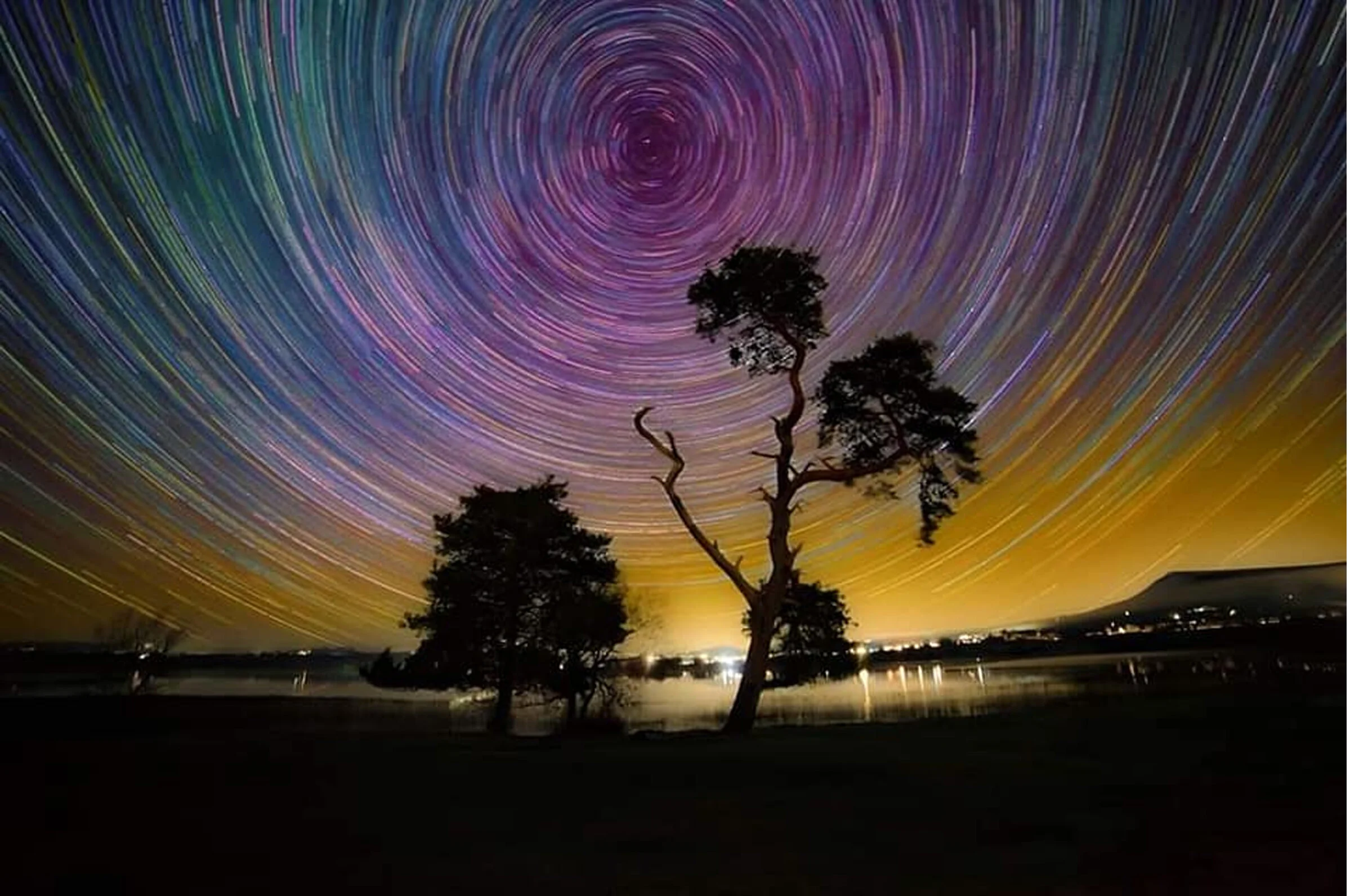
The way he would explain to me, where the constellations were and where the Polaris was and how the whole sky revolves that point in the sky with such passion captivated me into wanting to learn more . And of course on a Sunday evening of a month Sky at night TV program with Sir Patrick Moore would be on the TV in the front room with a wood fire burning after being out in the cold night. That is pretty much where it all started for me. My first telescope. At the age of 12 my mother brought me a sky watcher refactor telescope, that was my first telescope it was the best present. I can remember looking at the details of the craters on the moon and the sun light reflection of the Luna surface, I will never forget that view . At the age of 12 is where It began, deep sky astronomy observing hobby along with forecast watching and being disappointed when it was cloudy. Some things never change, I guess.
Roll on a few years and still walking to the farm to seed to the horses, Hale-bopp comet was in the sky's, that event was spectacular the way the tail was in the sky for days on end was unbelievable, the colours at sunset catching the tail, don't think there is any words for that beauty. Then life took over for over 10 years and astronomy in all sense was a left hobby.
Re-discovering astronomy and taking images.
Then 3 years ago, nearly 20years after my first telescope. I decided to buy my second telescope which was a celestron 8se. The enjoy, excitement and wonder returned with a vengeance. I really want to produce astro images, so i brought my first DSLR and learnt how to connect it to the telescope to start taking images, that started a whole new learning curve, so edger to learn i contacted Dark sky Wales and met Alan Trow and Martian Griffiths We arrange a met up in Brecon for a telescope workshop they were holding.
Martian let me connect my canon 1300d to they skywatcher 120 telescope and i took my first image of M31 Andromeda galaxy. I cant express that feeling of wonder looking at the image on the back of the DSLR and on the laptop at home. From there my equipment bill climbed very quickly from new mounts for telescopes, different telescope and other gear. I also upgrade my DSLR to a canon 6d full frame camera, some new lens for landscape astro photography. Now with the gear I joined a tons of groups on Facebook made some great friends in the process. I became a member of private groups where we met up when we can for astro landscape, the amount of techniques Ive learnt from my mates has been amazing. Rhys martin, Karl McCarthy, Jean Marc salukis, Andy carter among others and really help me understand different ways to produce astrophotographs. The thing i love about being out with those lads is how we share and try and help each other with difference things and the different ideas that can flow between us.
Locations I’ve visited.
Over the past 3years I have travelled Wales and south coast of England for astrolandscapes images and we are so lucky to have so many dark sky reverses sites in the UK. Elan valley, Pembroke, Brecon, mid Wales, north Wales, south coast of Wales and England all have some dark skies reserved sites. With the growth of Light pollution with the LED street lights there are still some spots in Wales and England which are incredible to go to see the milky way with the naked eye, so with a DSLR camera the images are out of this world. No pun intended. Techniques , Processes and methods. There are so many techniques to produce astro landscapes images and for a beginner it can be a confusing experience, which DSLR to buy, what lens to get, not to mention methods on how too shoot astro along with other accessories of gear that are important to have like a tripod, heat strips, batterers, Sd cards, clothing ect. So I have decided to hold workshops to give a idea of what is needed form tech, clothing and equipment too show you how to take nightscapes and astrolandscapes photographs to get you the best results that your equipment can produce.
Once the understanding of method and technique is understood then pre-posting can play a important part of astro photographs depending on you style and preference. However I can also hold workshops to teach you some editing processes I use in Photoshop if your interested to know. Astro photograph is a fascinating field of photography from myself, It gives me the chance to visit some beautiful places in the UK, time to reflect on everyday life, A way to switch of and re-connect with nature and to see the universe in more detail, besides all of that it is for fulling when the methods and processes of the camera and equipment is under stood, which produces photographs that are simply breath taking.
Facebook: Daniel Meredith Photography
Instagram: @Daniel Meredith13