Evolution of an Amateur Astronomer – Rex Groves
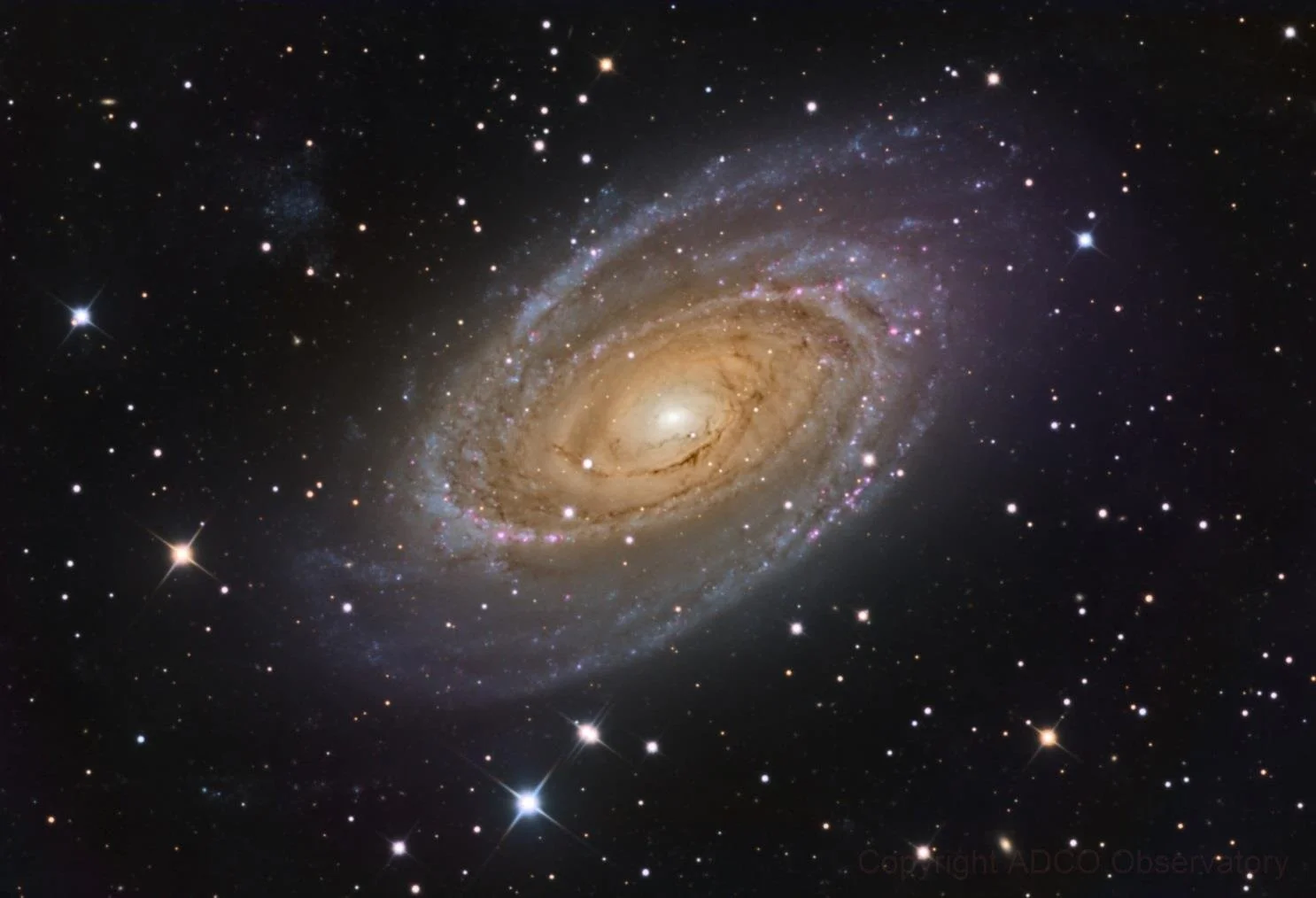
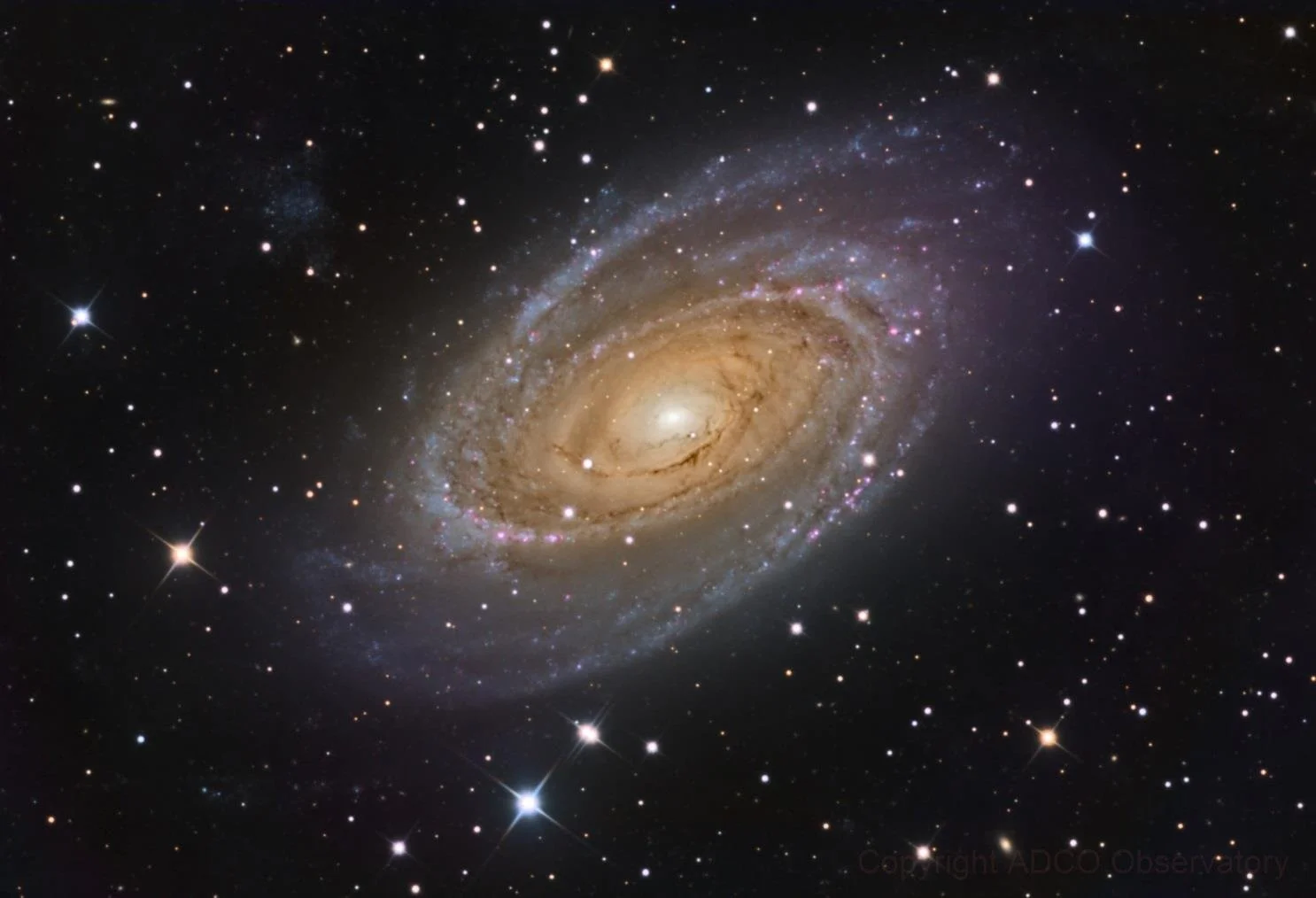
M81 Bodes Nebula
Astronomy has always been in my blood. My parents noticed it when I was just a toddler looking up at the sky hoping to see the moon. It fascinated me. The stars along with the nuclear age fostered my desire to be a physicist. My first telescope was a 2.4” refractor on an alt-az mount where I struggled to capture the Messier objects. The temperature didn’t matter. I was out there in the middle of winter in early mornings with that little rig. Subscribing to Sky and Telescope magazine and then Astronomy introduced me to those who spent hours at an eyepiece to capture images on film. I said…not for me though I did capture an out of focus partial solar eclipse at 16. But then Richard Berry introduced the cookbook CCD camera and I got hooked. I coupled it to a 10” Newtonian reflector with poor tracking. A DOS interface and got my first primitive images.
Fast forward to today. I have the good fortune of having 2 imaging platforms. A 20 inch Planewave robotic CDK scope with a scientific large format SBIG AC4040 chip housed in an observatory in the New Mexico desert. My second is a professional class 8 inch TEC APO refractor (a lot of glass!) that I use for visual and wide field imaging. My interest in what to image fluctuates broadly. I’ve spent a lot of time on deep sky objects such as galaxies but a present project is to capture examples of gravitational lensing which is at the limit of amateur equipment. I recently beefed up my capabilities to include planetary imaging and satellite tracking.
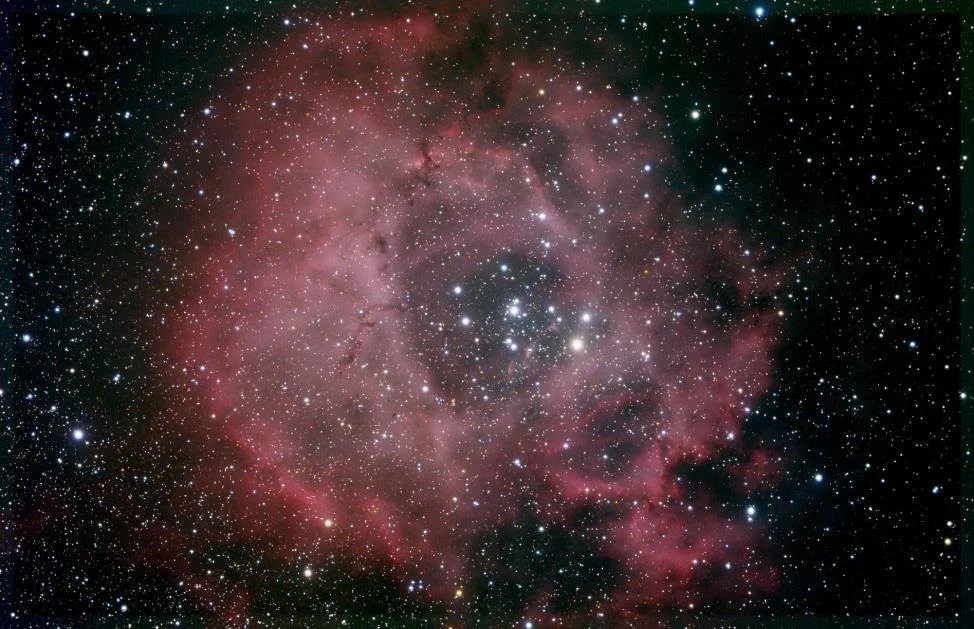
Rosette Nebula
Things are so different now. It used to be that one had to haul the scope out, polar align roughly and you were ready to go. Now it’s primarily computer driven. The weather station determines whether or not your remote observatory roof will open, then the fans cool the mirrors, the scope “finds” it’s position in the night sky using a database of thousands of stars and makes fine adjustments.
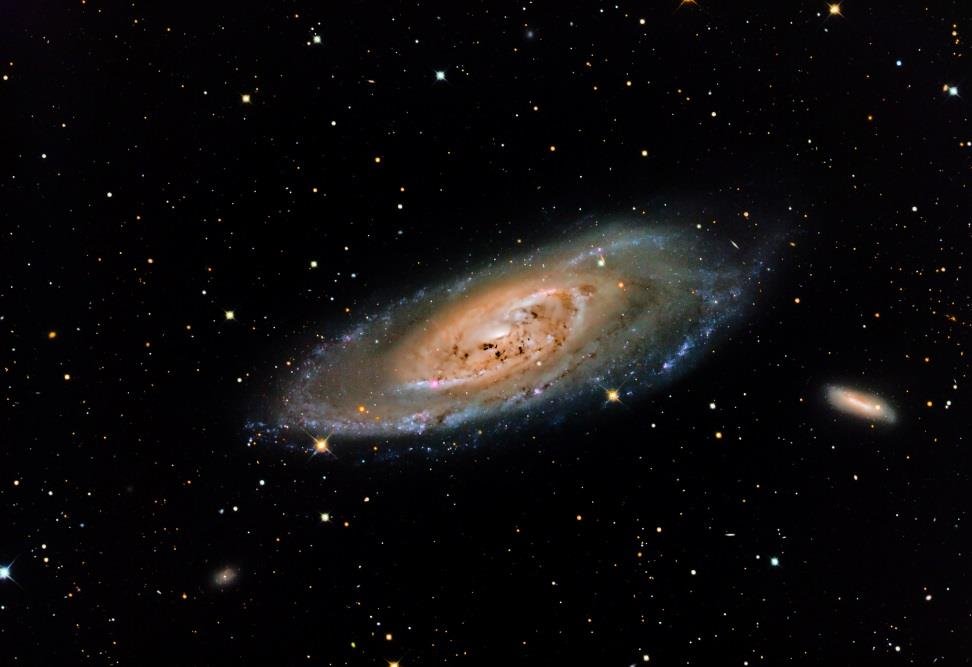
M106
Follow that with autofocusing, scripting software that runs the evening, monitors the filters used and stores the images for processing all while you are sleeping. I can’t imagine 20 years from now though, I suspect it will be leasing telescope time from around the world’s mountaintops or from an orbiting telescope specifically for the public like Hubble.
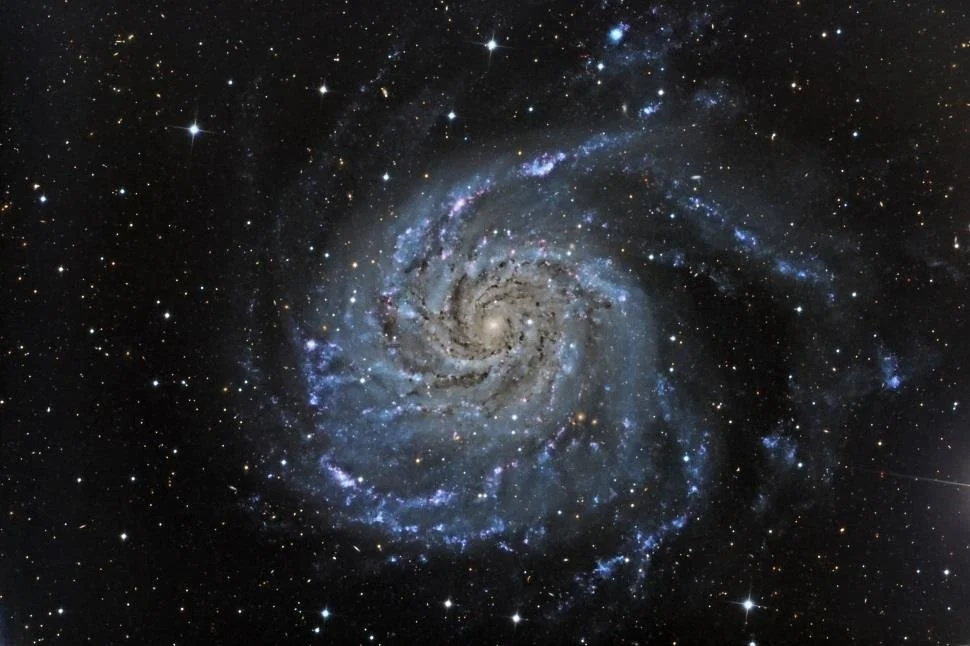
M101 Pinwheel Galaxy
The New Mexico desert has its own challenges with regards to optics. The ubiquitous dust and insect droppings make their presence known. I usually visit the site every 3 months to take care of the “eye of the system”. Though one is encouraged to minimize cleaning optics, I couldn’t resist returning them to their pristine state. I encountered First Contact Polymer from Photonic Cleaning Technologies when I was searching for a way to clean my primary optics. I was worried about scratching or otherwise damaging them but First Contact seemed like the perfect solution. I was beyond surprised at the results and it also did a wonderful job on my refractor optics. I love the way my mirrors and lenses look after use.
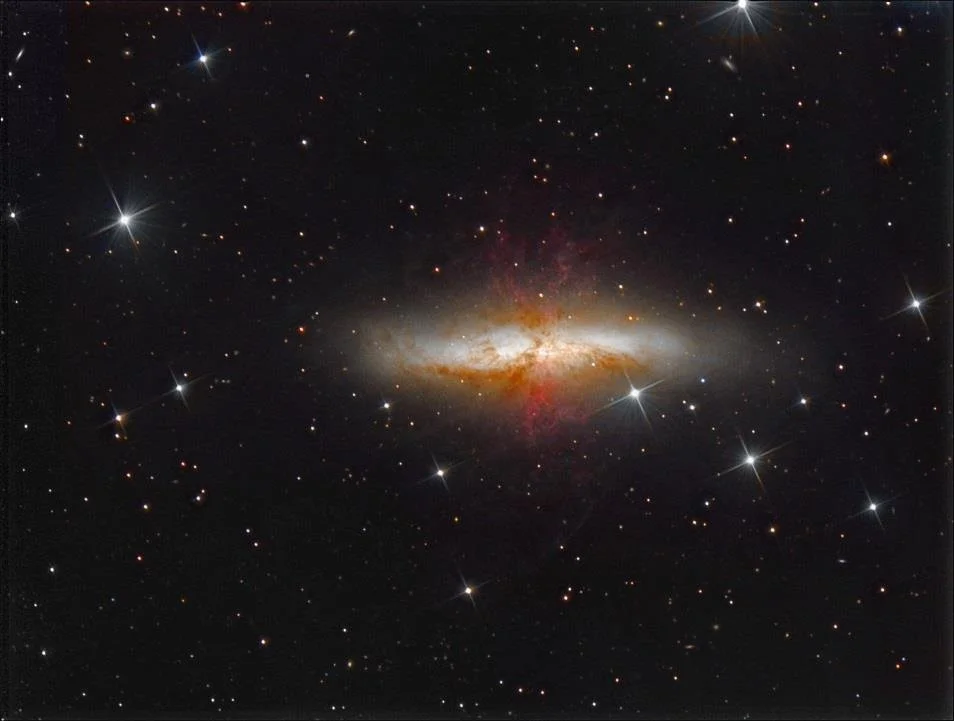
M82
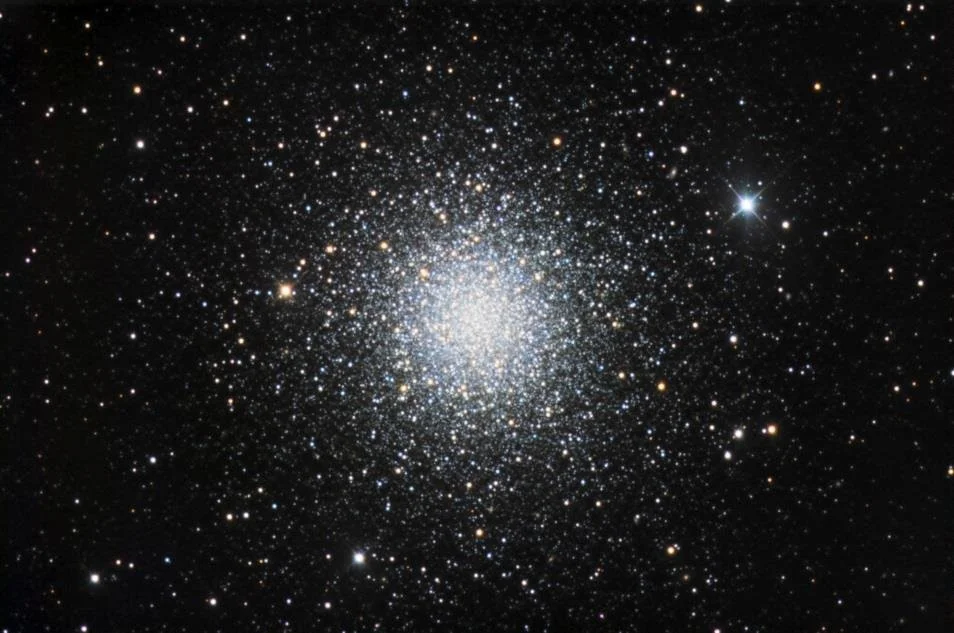
M3 Globular Star Cluster
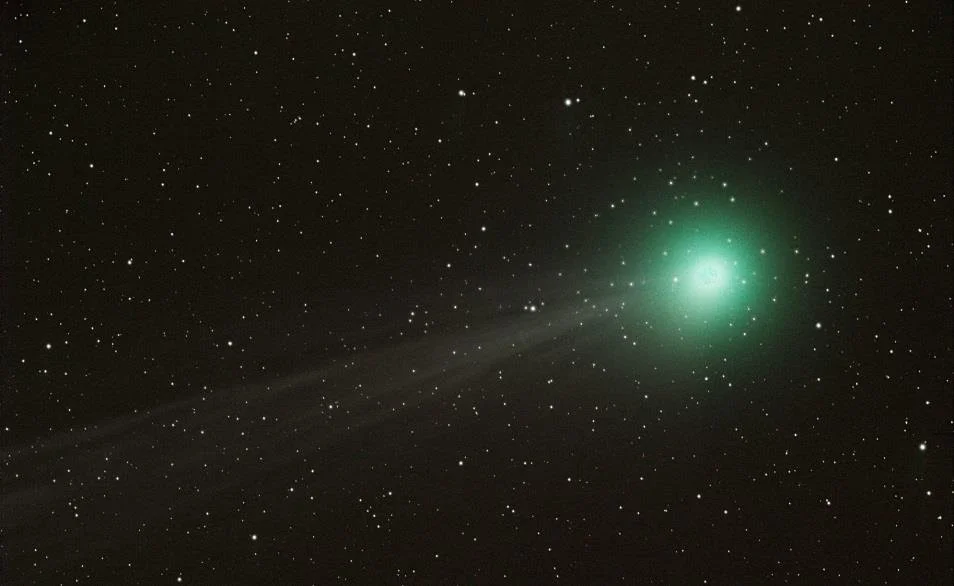
Comet Lovejoy
My accompanying images are all long integration times approaching 40 hours. Nothing replaces a lot of signal. Image processing with large data sets make for pleasing results. I hope you enjoy.
https://www.astrobin.com/search/?q=rex+groves
Are you a First Contact Polymer user and Astro Imager?
Contact us at sales@photoniccleaning.com for the chance to be our featured guest in an upcoming issue of Amateur Astrophotography Magazine courtesy of Photonic Cleaning Technologies! Not familiar with our products; see our ad on the next page or visit us at http://www.photoniccleaning.com