A Beginner's Guide for Filming the Night Sky
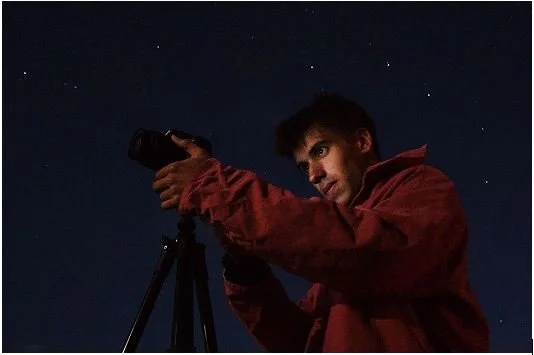
Capturing the beauty of the night sky is already challenging to veteran photographers and filmmakers, and can be much more difficult for newcomers. There is less light, and you may not get the effect you are aiming for if you don't use the right settings and techniques.
You also need to deal with light pollution. If you are living in a densely populated area, you are not in the best situation to capture the stars, the moon, and all other celestial wonders. Fortunately, there are ways you can capture beautiful videos of the night sky in the same level of quality as a National Geographic documentary.
1. Plan your shoot
If you're venturing into astrophotography, it's important to consider the time and the place where you will capture the best shots. In case you live in the big city, you might want to drive out of town and pick a location where you will get a clear and strategic vantage point. You can set up your equipment on top of a hill or any high elevation. Make sure the area is clear of any vegetation, especially if you are planning to shoot a timelapse video. Apart from that, you should also check the weather and time the phase of the moon. In most cases, you will get stunning videos during a full moon when there is a lot of natural light to work with.
2. Use the right equipment
Apart from choosing the perfect schedule and location, you need to consider what equipment to bring for the shoot. A standard in astrophotography is a wide-angle lens that is capable of capturing beautiful panoramic shots of the Milky Way. Full-frame cameras are also ideal because they can produce high-resolution images and perform well in low-light conditions. You should also invest in a good tripod if you are planning to capture time lapse videos. To prevent shaking, use a remote shutter release so you control the shutter from afar.
3. Manually adjust the settings
To achieve the results you want, you need to set your camera settings manually. The first thing you will need to tweak is the amount of exposure. Shorter exposure at 1/1000 works well if you are planning to capture the moon. If your camera has a digital zoom feature, this could render your footage grainy and blurry. You are better off adjusting your lens and experimenting with your exposure controls so you can get crisp shots of the night sky.
4. Craft a good story
Images on their own tell stories, so imagine what emotions you can convey by taking stunning shots of the night sky. If you are making a documentary or a music video, every second of the video should have a narrative. You will need to plan your sequences and use various editing techniques to achieve certain effects. For more about planning a structured shoot of the night sky, use this filmmaking guide that has everything you need to know about turning your astrophotography shots into narratives.
Are you ready to capture the night sky with your camera? Use these tips and take breathtaking videos.