Blog being updated soon…
Skypoint:- Takahashi EM-400 TEMMA 2-M GoTo equatorial mount
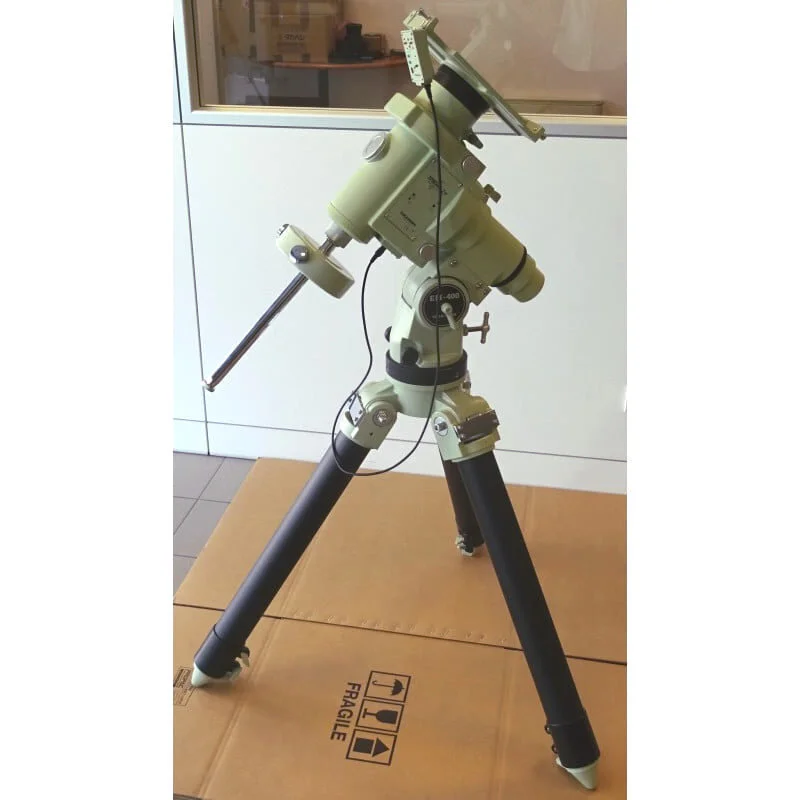
It makes its entrance in our used market the legendary Montatura Equatoriale Takahashi Em-400 TEMMA 2-m goto
Complete With Keypad, Cannocchiale polare, cables, Original Tripod #Takahashi JP-Z, four 8 kg counterweights, Large Accessory Holder Plate and instructions.
This specimen in particular is in contovendita and is exactly like new. You practically don't find signs of use even looking for them with microscope.
The RedCat 51 Raffle in aid of Scopes4Schools CLUB MEMBERS ONLY!
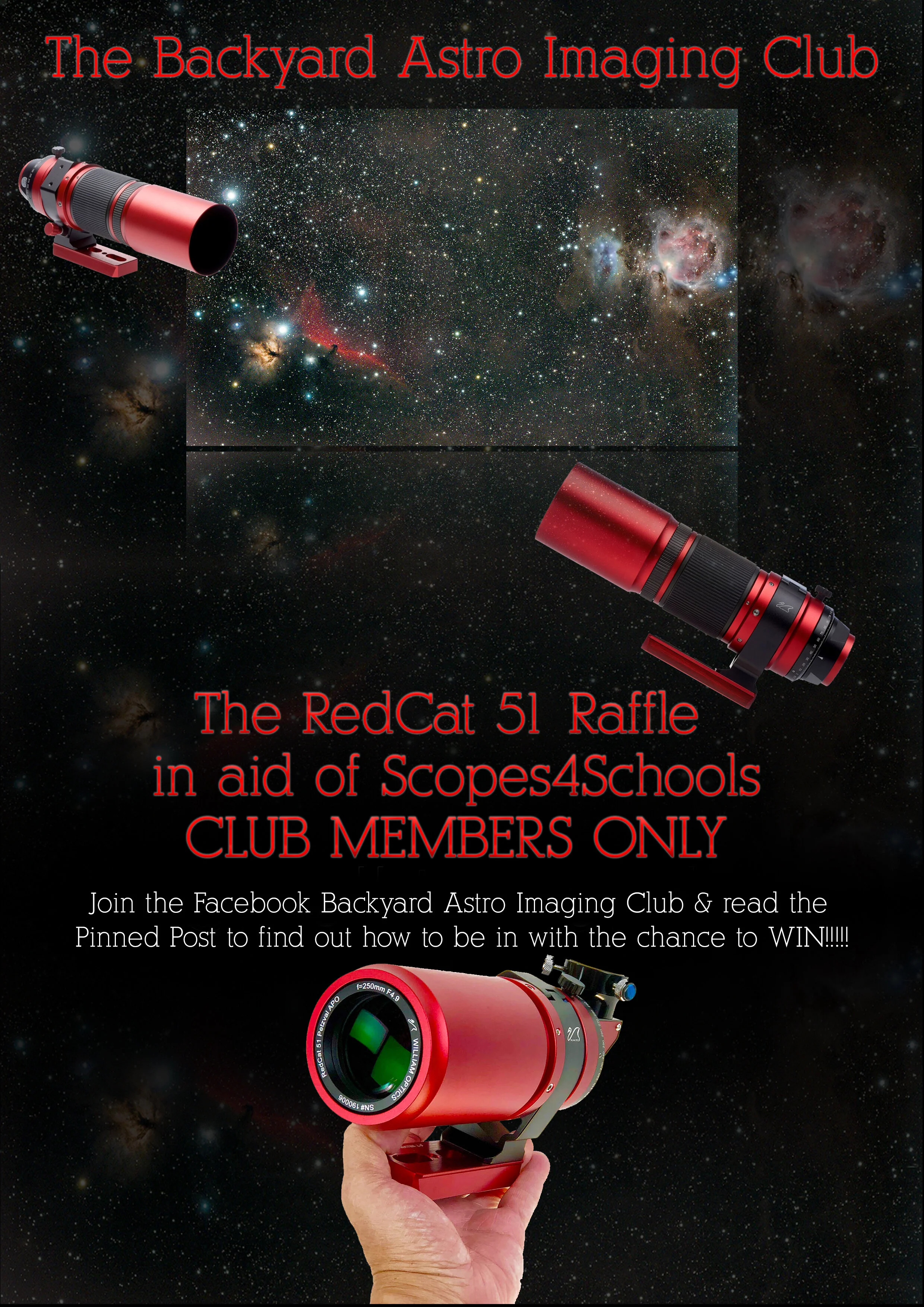
The RedCat 51 Raffle in aid of Scopes4Schools
CLUB MEMBERS ONLY!
Click here to join The Backyard Astro Imaging Club,
Since I haven't run a raffle like this before perhaps we can, those of us involved, use this as a test case for future Raffles and Competitions. This is how I see it.
There are 100 maximum entries and these are to be paid for via PayPal to tc@123easypc.com using the friends and family option (A Scopes4Schools bank account will be opened in due course if this is a reasonably effective success).
1. Each ticket costs £10 UK pounds sterling and that amount must appear in my PayPal before your ticket number is released. NO MULTIPLE PAYMENTS - if you want two tickets then you MUST MAKE SEPARATE PAYMENTS INCLUDING PROPER CONTACT DETAILS EACH TIME - This is because I am new to this and do not want any hiccups at my end.
2. Each payment MUST be accompanied by your name and contacts details so I can issue an acknowledgement.
3. Any short payments or invalid entries will be notified as soon as possible and the money in these cases will be returned less PayPal fees so PLEASE make the correct payment if paying from outside the UK.
4. Shipping in UK and most major countries will be included BUT YOU MUST PAY ANY IMPORT FEES DUE ITEM VALUE WILL BE SHOWN AS £550
5. This RedCat IS NOT brand new and has some small marks from use, has faded a little in places as it is the Mk1 model though it has seen very light use and appears to be very good indeed optically. It includes the parts it came with - Bag, Scope, short dovetail, registration card and RedCat stickers. There are no dents or dings, it has some dust externally on the rubber grips, there is a small scratch on the dew shield from storage. I will be trying to get one more wide field image from it while the raffle runs for greater interest and my own pleasure.
6. The draw will take place when all 100 tickets are sold.
7. I reserve the right to end the draw at any time and return the ticket cost to each entrant via PayPal refund (this may include situations such as legal enforcement of cancellation of the draw, my ill health, any other significant scenario that would reasonably make the draw impossible.
8. The item was bought and paid for by me and was imported lawfully into the UK with all import duties being paid by me originally, to HM Revenue and Customs.
9. The draw will be made publicly by a non interested party (to be announced) and the Winner will be contacted personally to ensure a smooth transaction.
10. The Spirit of the Raffle is to enable a basic, second hand imaging rig to be provided to a local South West UK school for the purposes of their developing an Astronomy and Imaging Club in their own right. I will be supporting their endeavor and wish it to springboard regular donations to worthy schools across the planet Earth.
PLEASE LET ME KNOW IMMEDIATELY YOU HAVE ANY CONCERNS, ADVICE OR RESERVATIONS REGARDING THIS PROJECT. The website for www.scopes4schools.com is under construction and is a part of The Backyard Astro Imaging Club and AstronomyABC projects.
My contact details are timcowell@AstronomyABC.com please email me or FB messenger at any time.
E&OE - This project is designed simply to encourage the future generations of Astro Imagers and I thank you all for your time and consideration in this important matter. I remain your friend and humble servant signed in good faith - T.A.Cowell - Owner and Founder this day 1st September 2019 ad
telescope picture for illustration purposes. images taken with the actual telescope by me using an ASI071
DarkFrame:
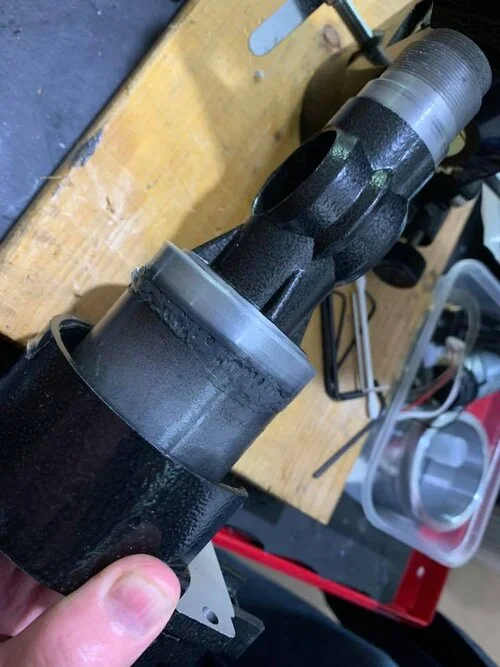
We like Celestron CG5-GT’s, like this one here.
The AVX is very similar and also very capable. The average age of a telescope mount in our workshop is nine years old, with the oldest dating back to 1996.
You don’t leave servicing your car for that long, and these precise instruments need the same looking after.
Our rebuilds can last up to 5-7 years without degraded performance.
How do we know?
We recently rebuilt and upgraded some of our earliest mounts from three years ago, and hardly any wear was measured.
We engineer tighter tolerances into your mount to make them perform. Like 20min guided images from CG5-GT’s. But don’t leave to long. The impossible we already do, but some miracles do take a little longer.
Infographic: The Astronomy Highlights of Autumn 2019
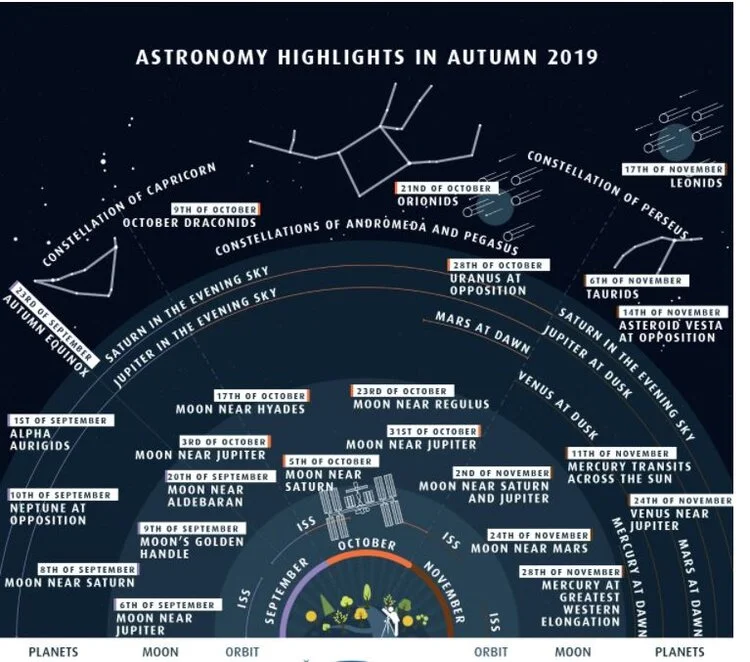
In the next three months from September to November there are once again some great observing opportunities that we should not miss. A special event is fast approaching: the very rare transit of Mercury across the Sun. But there are also other smaller events to be seen.
The new astronomical infographic “Astronomy Highlights in Autumn 2019” offers you a quick graphical overview. This will keep you up to date and let you know what is happening in the sky.
September:
September 1: Alpha Aurigids
The Alpha Aurigids are a fast meteor shower moving at a speed of 65 km/s, which originated from the comet Kiess C/1911. At their peak on September 1, around six meteors per hour are visible. The radiant, that is the place from which the meteors appear to originate, lies in the Auriga constellation below the Capella star.
September 6: The Moon meets Jupiter
At a distance of just under 5° the Moon is approaching Jupiter this evening. Already at dusk we see them as bright objects that are close to one another.
September 8: The Moon meets Saturn
While the Moon was seen near Jupiter two days ago, it is today visiting the ringed planet Saturn. Both celestial bodies approach one another at a distance of 1.5°.
September 9: The Moon’s Golden Handle
This evening we experience the Moon’s golden handle. A fairly rare event that can only be seen during a Moon phase of 83%. Then we discover a closed semicircle of golden light on the dark side of the Moon’s boundary between light and shadow. The reason for this: we are looking at the Mare Imbrium and the Sinus Iridum crater, which is surrounded by the Montes Jura range. While the crater is still lying in darkness, the Sun rises over the mountain peaks and we see the famous handle.
September 10: Neptune in opposition
Neptune is one of the outlying gas giants of our solar system. At a distance of 4.5 billion kilometres, it takes 165 years to orbit the Sun. Its light is en route for 4 hours and 10 minutes before it arrives at the Earth. During its opposition it is particularly easy to see in Aquarius. At 1am it reaches its highest point, around 36° above the horizon.
September 20: The Moon meets Aldebaran
The waning Moon, which is 72% illuminated, meets Aldebaran, the main star of Taurus, during the night of September 20. Aldebaran is a red giant, a star that has reached the last phase of its life. It shines 150 times brighter than the Sun and is so large that if it were to take the place of the Sun it would reach as far as Mercury.
October
October 3: The Moon meets Jupiter
An especially pretty sight awaits us this evening: the Moon meets up with bright Jupiter. This impressive conjunction is worth observing, especially as dusk begins.
October 5: The Moon meets Saturn
In the early evening in Sagittarius, just above the horizon, today you can see a conjunction of Saturn and the Moon.
October 9: The October Draconids
Shooting stars appear to be falling from the Draco constellation on October 9: this is the Draconids meteor shower. As they dart across the sky they are a fascinating spectacle, even for amateur astronomers. The radiant is located near the star Draconis. Draco is a circumpolar constellation, therefore the radiant lies at an optimal visible altitude in the evening sky.
October 12: Amphitrite in opposition
Amphitrite is a sea goddess in Greek mythology and is married to Poseidon. In the sky, however, Amphitrite is an asteroid of the main asteroid belt, which is now in opposition. It is 211 million kilometres away from Earth. It is currently in Pisces below the Andromeda constellation.
October 17: The Moon meets the Hyades
The Hyades open star cluster is very old at 600 million years and forms a V-shape with its brightest stars. The moon visits the cluster tonight. By the way: the Aldebaran star does not belong to the Hyades.
October 20: Mercury’s greatest eastern elongation
Mercury is at its greatest elongation angle of 24°, but we still don’t see it in the evening sky.
October 21: Orionids
The Orionids are a smaller meteor shower with about 25 meteors per hour. The radiant is located in the Orion constellation near the Betelgeuse star. Although you can watch the shooting stars all month long, the peak is seen between October 20 and 21.
October 23: The Moon meets Regulus
Today the slender crescent moon can be found at a distance of around 10 degrees from Regulus, the main star in Leo.
October 28: Uranus in opposition
Now there is another opportunity to take a look at distant Uranus: it can be seen all night during its opposition. With a brightness of 5.6 mag. you can see it with binoculars alone, but is only recognisable as a planet using a telescope. You will find it in the Aries constellation. To find it draw a line from the bright β Ari star to the just 4.3 mag. dim star ξ1 Cet in the Cetus constellation. At the start of the last third of the line to ξ1 Cet, you will find the planet.
October 31: The Moon meets Jupiter
Tonight we see a slender and only 15% illuminated crescent moon directly next to Jupiter.
November
November 2: The Moon meets Saturn and Jupiter
This evening we see a nice conjunction of the Moon, Saturn and Jupiter on the southwestern horizon.
November 6: Taurids
The Taurids are a two-part meteor shower with just 10 meteors per hour expected. What is much more interesting is that some bright fireballs may also be visible.
November 11: Mercury Transit
It only happens every 13 years: Mercury passes across the solar disc and we can follow this transit live through a telescope. It starts at 13:35 CET, the 2nd contact is at 13:37 CET, the middle at 16:19 CET, the 3rd contact 19:02 CET, finishing at 19:04 CET. Unfortunately we can only observe half of the transit because the sun has already disappeared over the horizon. Attention! Always use a suitable solar filter for your observation! Never observe the sun without one! Observation without a special solar filter is dangerous and will lead to severe retinal damage. Let us advise you.
November 14: Asteroid Vesta in Opposition
The asteroid Vesta belongs to the main asteroid belt and was one of the first bodies of its kind to be discovered. After Pallas, it is one of the largest asteroids with a diameter of 516 kilometres. On November 14 Vesta reaches a brightness of 6.5 mag. and so you can find and observe it with any telescope. It is currently in the Cetus constellation. You can find it relatively easily by extending a line from o Tau (in Taurus) about 2 degrees to the west. A star atlas is useful here.
November 17: Leonids
On November 17 the Leonids reach their peak. In addition to the Perseids, they are among to the most famous shooting stars. There have been years when these meteors fell like raindrops from the sky. This usually happens every 33 years when the Earth collides with the Leonid cloud.
In normal years, the shower reaches a peak of no more than 20 meteors per hour. This year the rate of occurrence is a little lower, with 15 meteors per hour expected.
November 24: Jupiter meets Venus and the Moon meets Mars
In the last days of November there are two conjunctions: the Moon and Mars, and Jupiter and Venus.
In the early morning of the 24th we see a delicate crescent moon, Mars and, a little further below, Mercury. Then the following evening, in the very early twilight, there is a beautiful view of Jupiter and Venus.
November 28: Mercury’s greatest western elongation
Mercury reaches the best morning visibility of the year from November 28 at its greatest western elongation, now it has an angular separation from the Sun of 20 degrees. Through a telescope Mercury appears half-illuminated.
Astronomy Photographer of the Year 2019 – winning images
László Francsics has been named the overall winner in the Royal Observatory Greenwich’s Insight Investment Astronomy Photographer of the Year 2019 competition, for his composition showing the 35 phases of January’s total lunar eclipse. Other winners include a panorama of the aurora borealis over the Lofoten Islands in Norway by Nicolai Brügger, an atmospheric image of the photographer Ben Bush with his dog Floyd surrounded by the galactic core of the Milky Way, and a sequence of images of Mars that follows the progress of the great global dust storm by Andy Casely
Exhibition of winners and shortlisted images opens at the National Maritime Museum on 13 September 2019 and a catalogue is available here
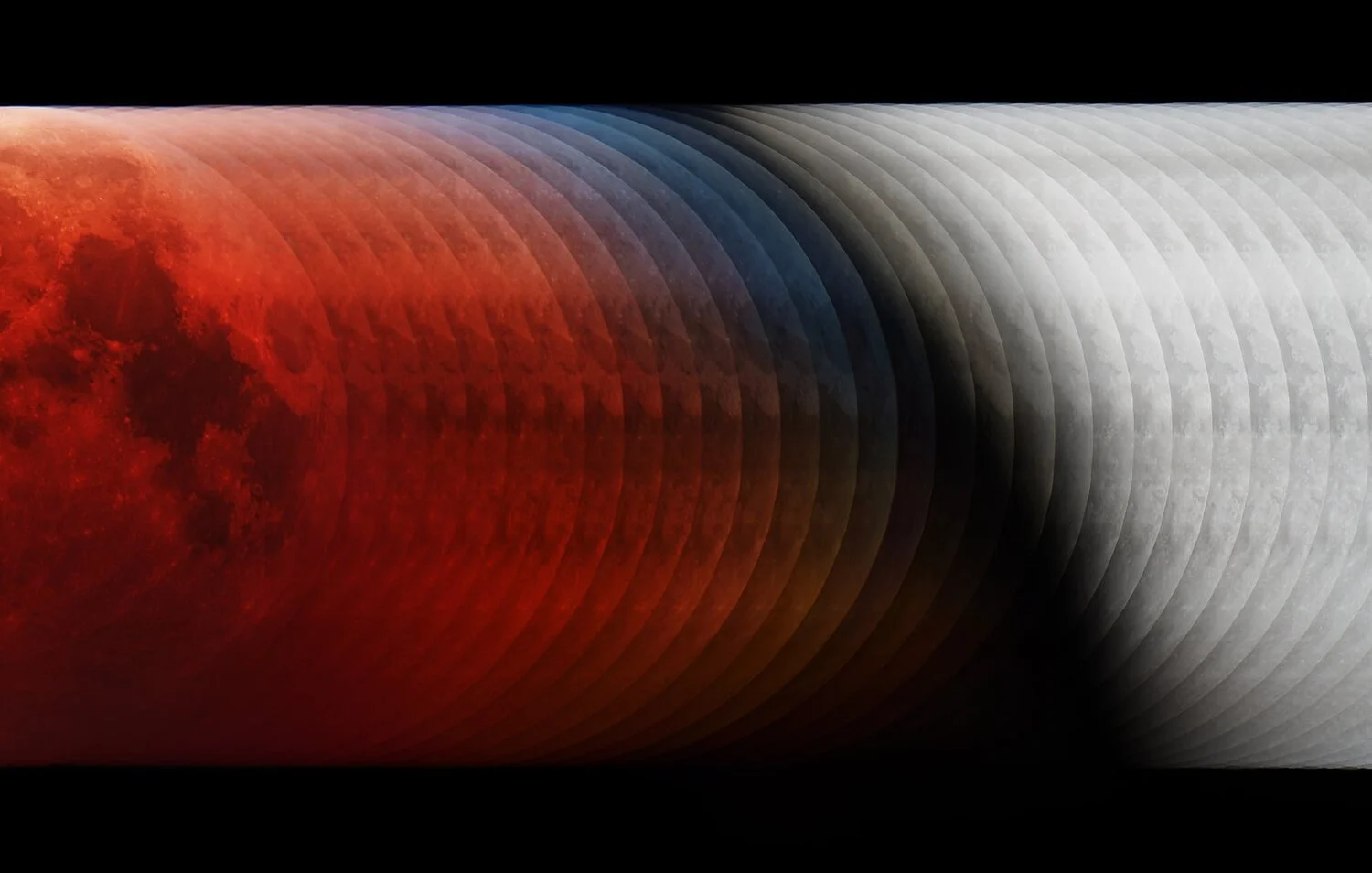
Overall Winner: Into the Shadow by László Francsics Photograph: László Francsics/Astronomy Photographer of the Year 2019
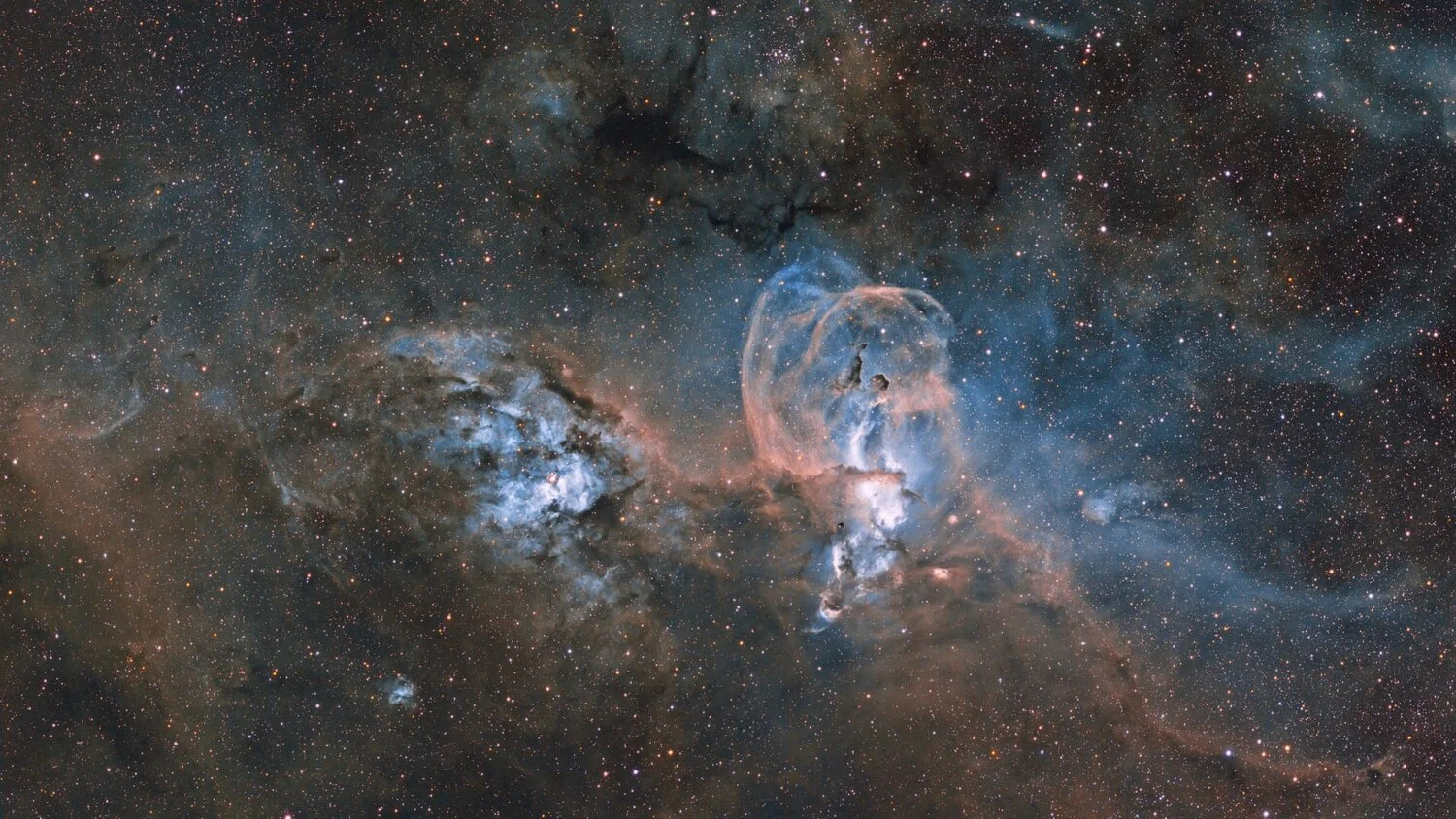
Statue of Liberty Nebula, by Ignacio Diaz Bobillo
Winner: Stars and Nebulae
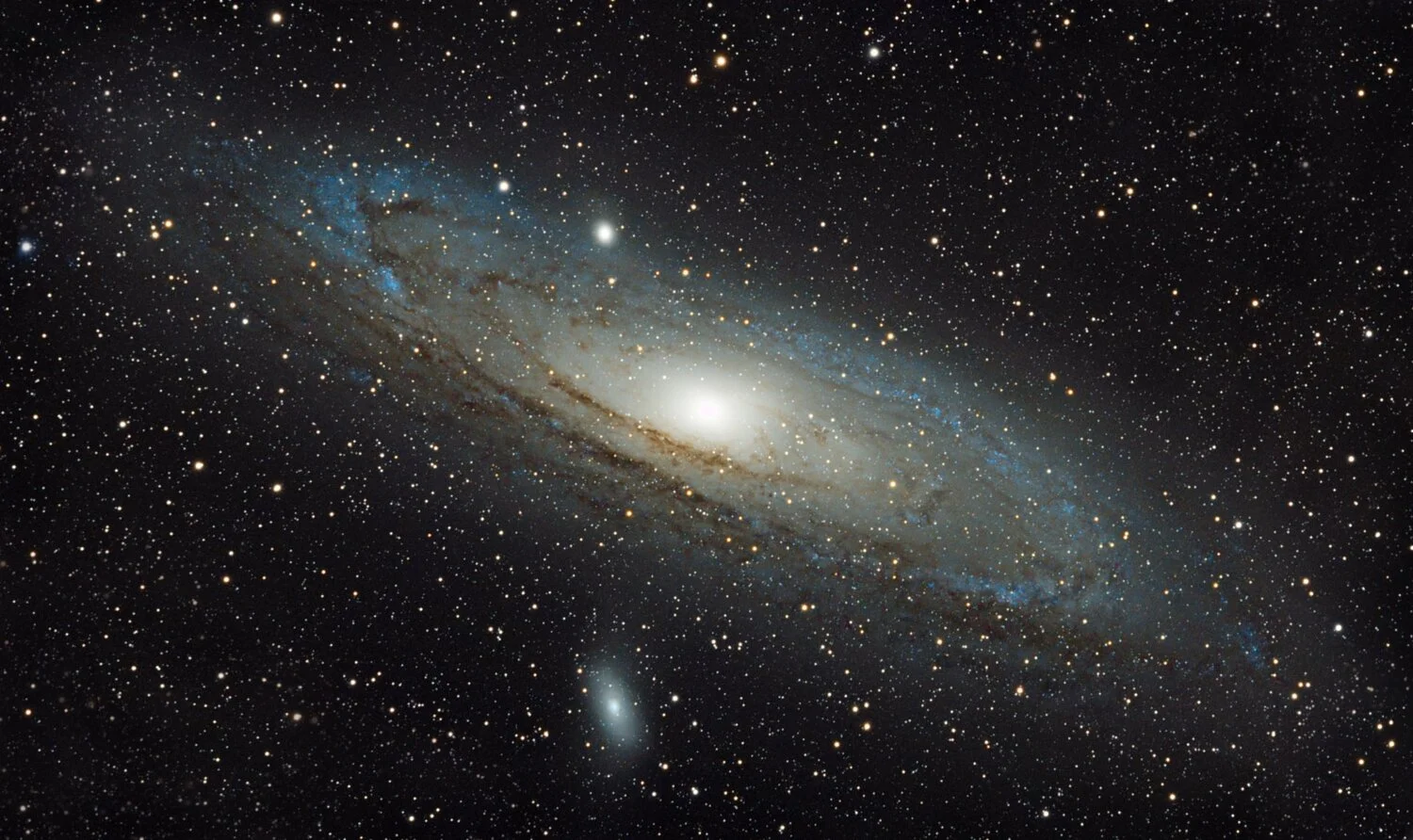
M31 Andromeda Galaxy,by Tom Mogford
Highly commended: Young Astronomy Photographer of the Year
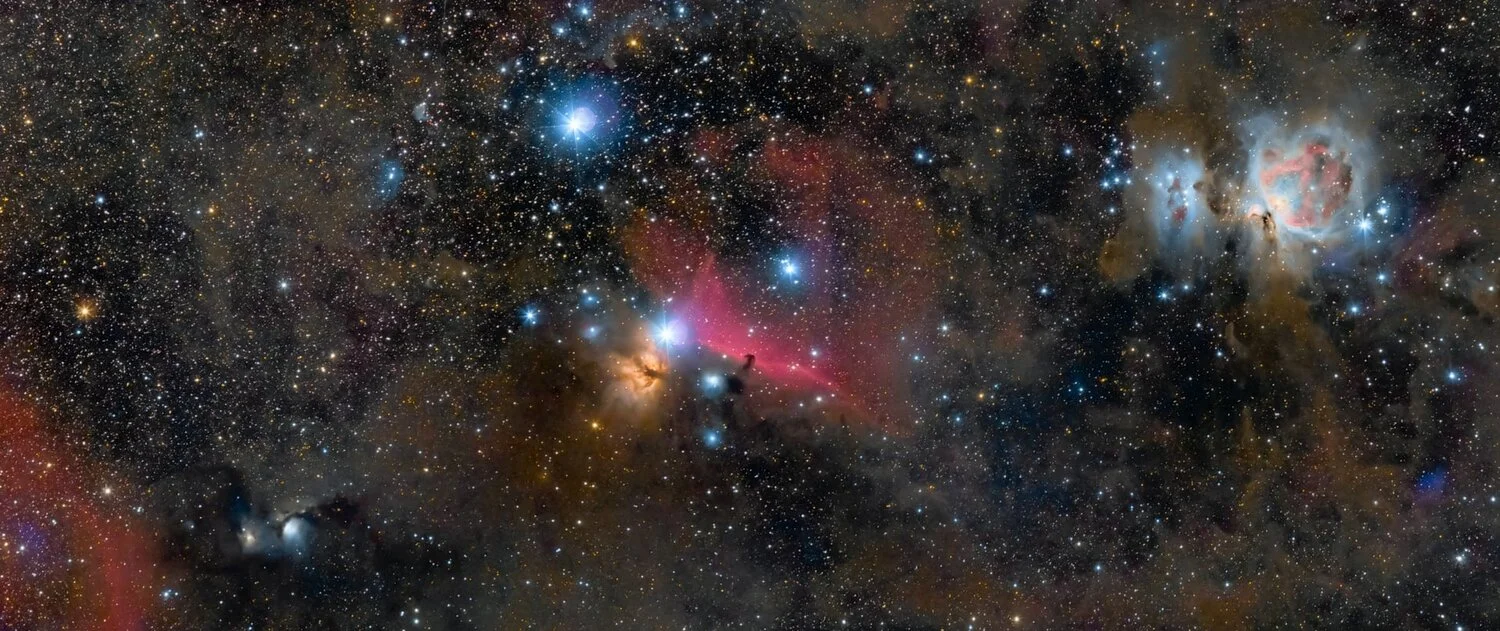
The Jewels of Orion, by Ross Clark
Winner: Best Newcomer
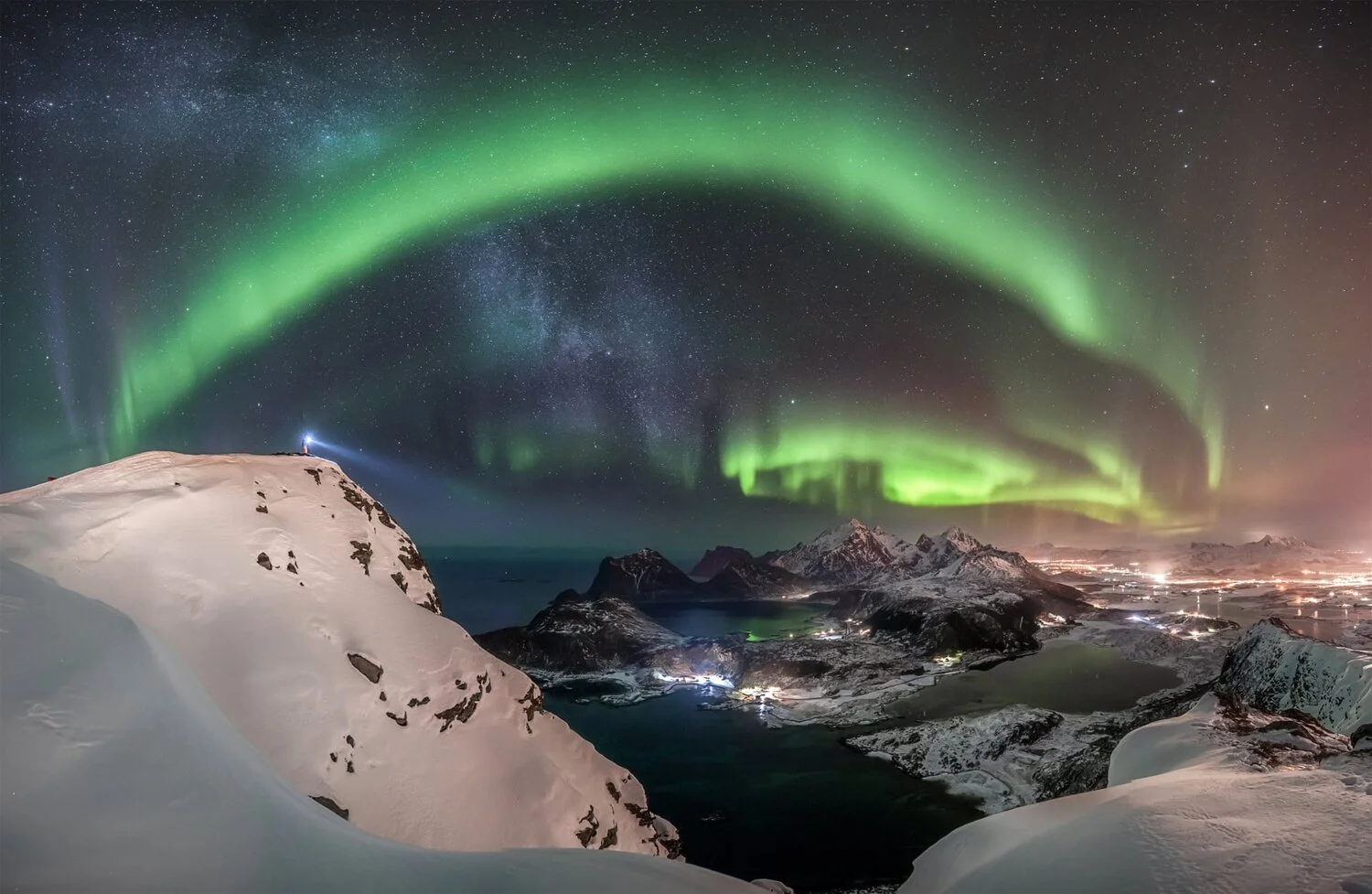
The Watcher, by Nicolai Brügger
Winner: Aurorae
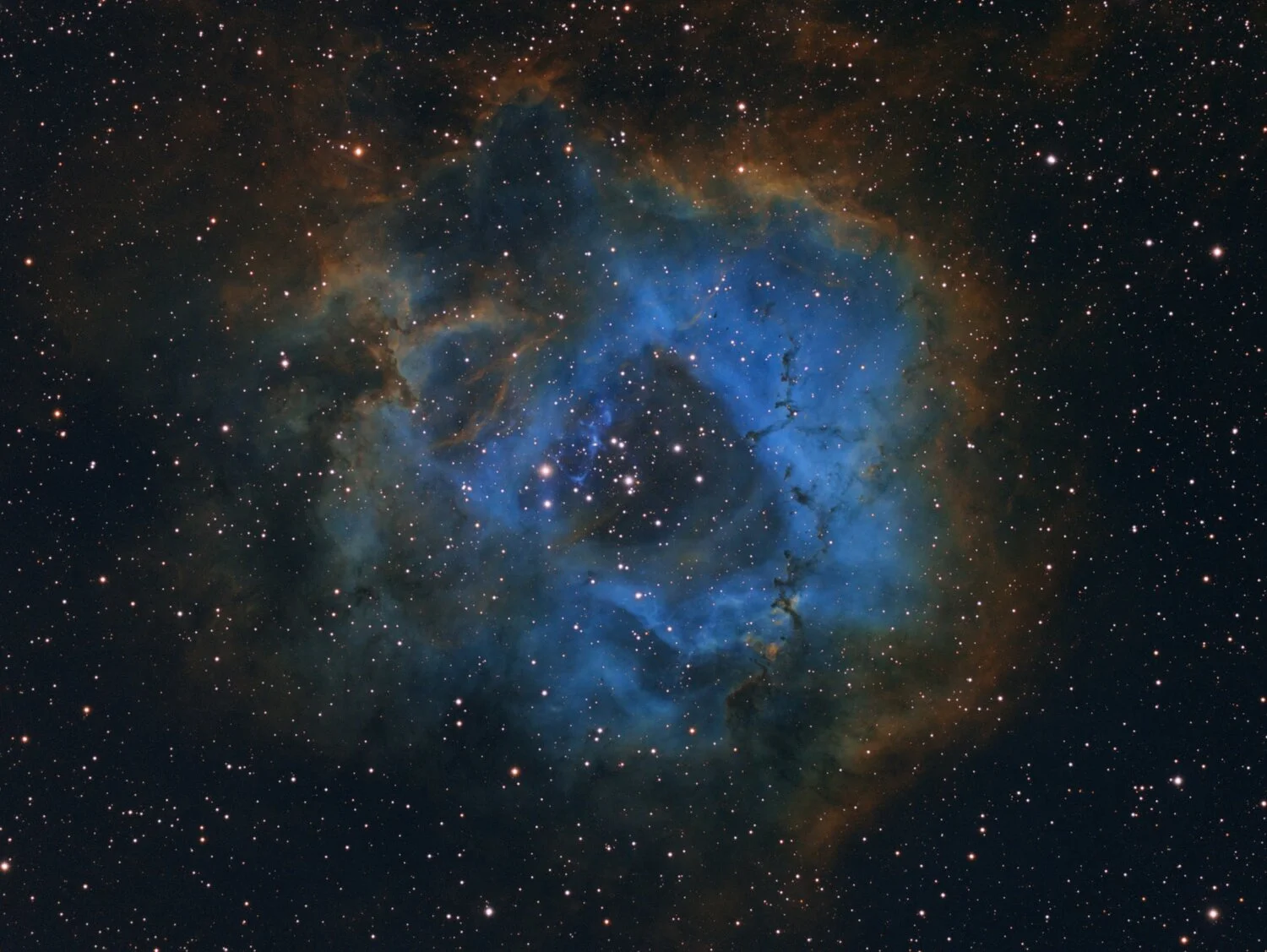
Stellar Flower,by Davy van der Hoeven
Winner: Young Astronomy Photographer of the Year
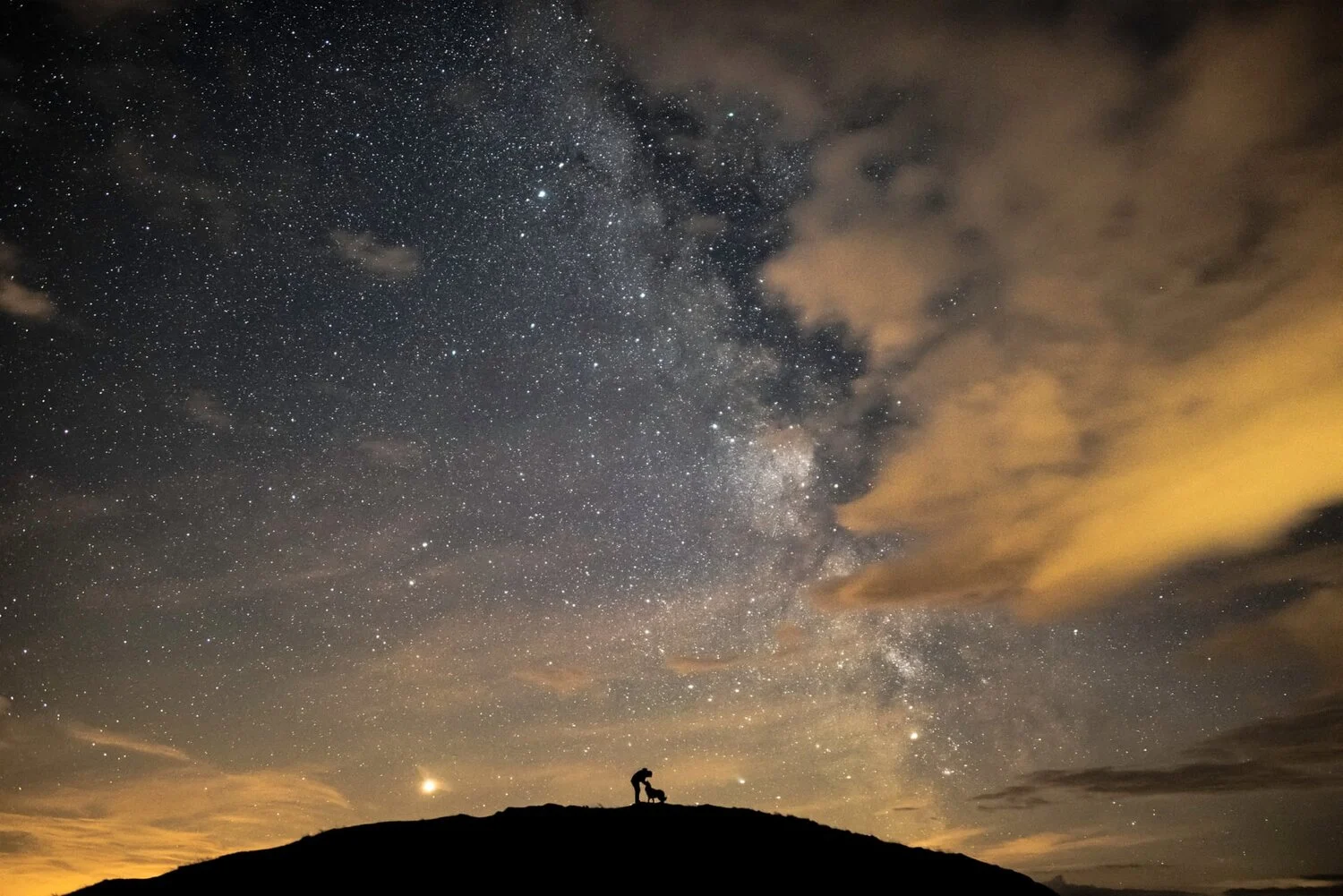
Ben, Floyd & the Core, by Ben Bush
Winner: People and Space
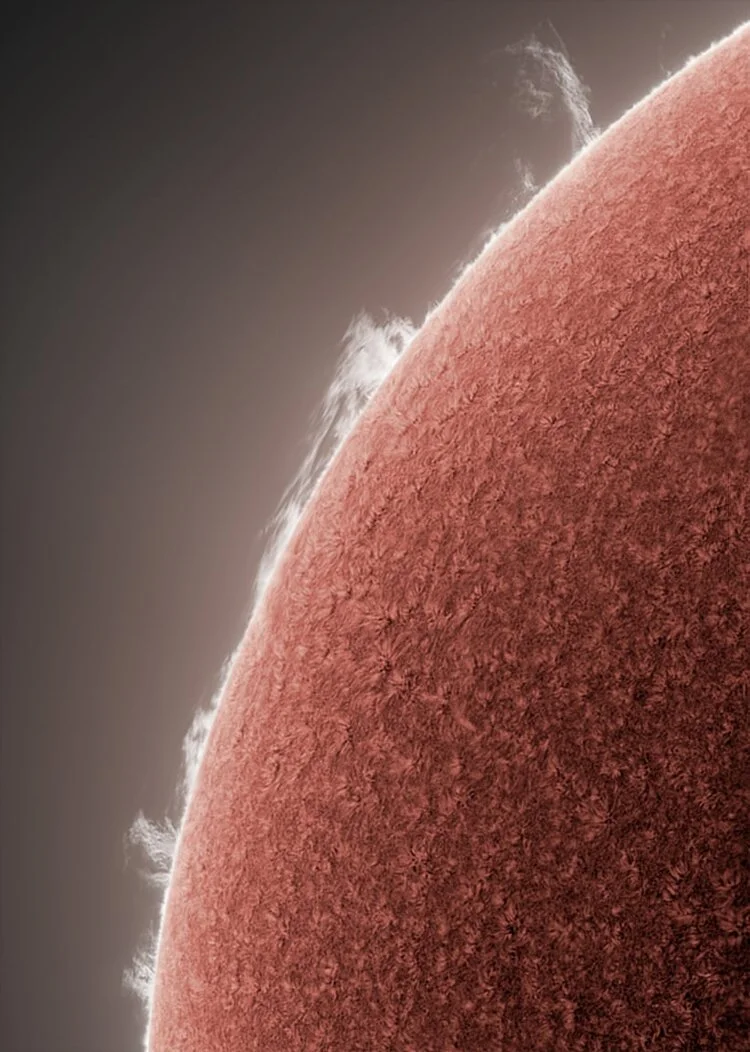
A Little Fireworks, by Alan Friedman
Winner: Our Sun
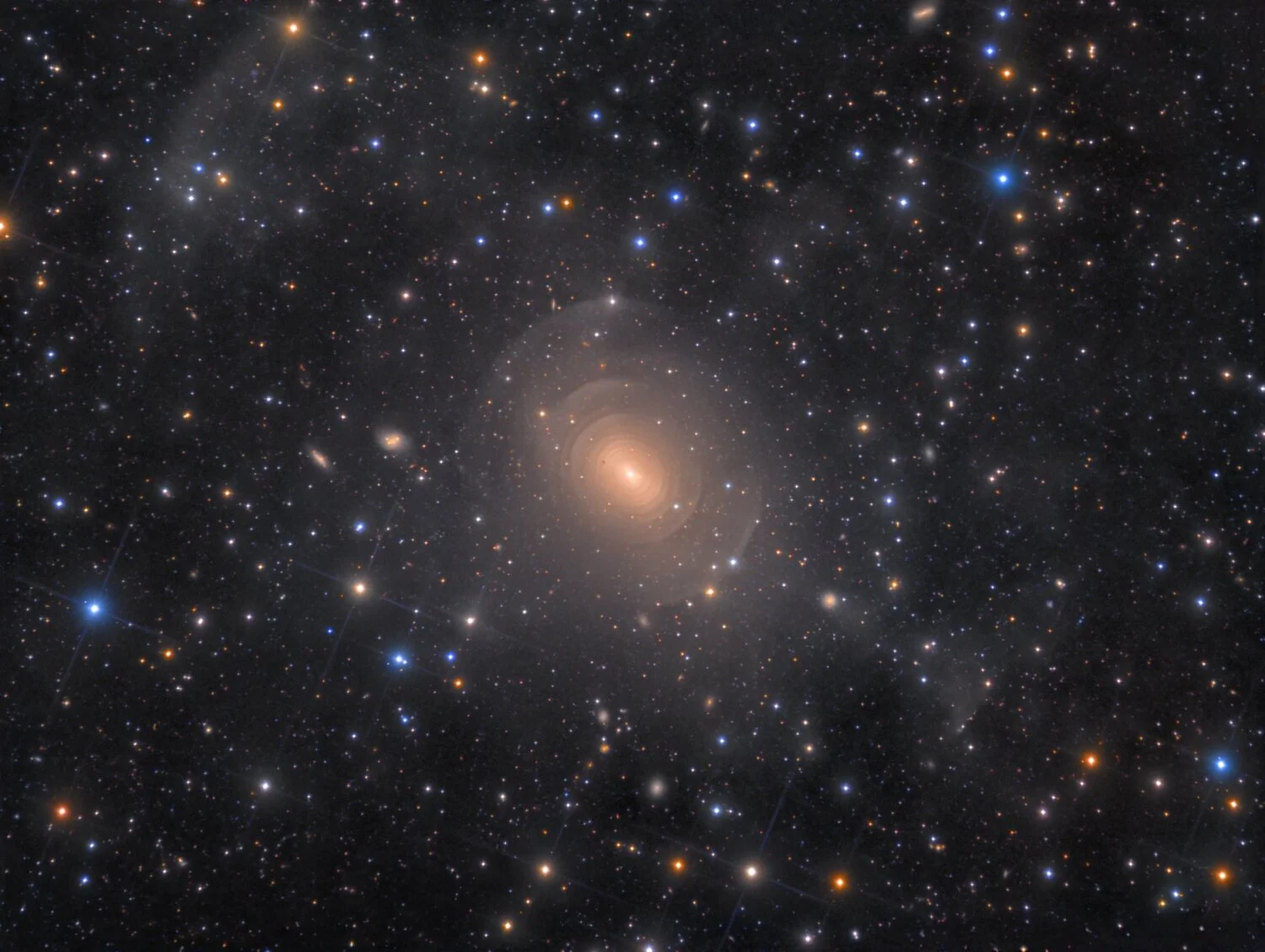
Shells of Elliptical Galaxy NGC 3923 in Hydra, by Rolf Wahl Olsen
Winner: Galaxies
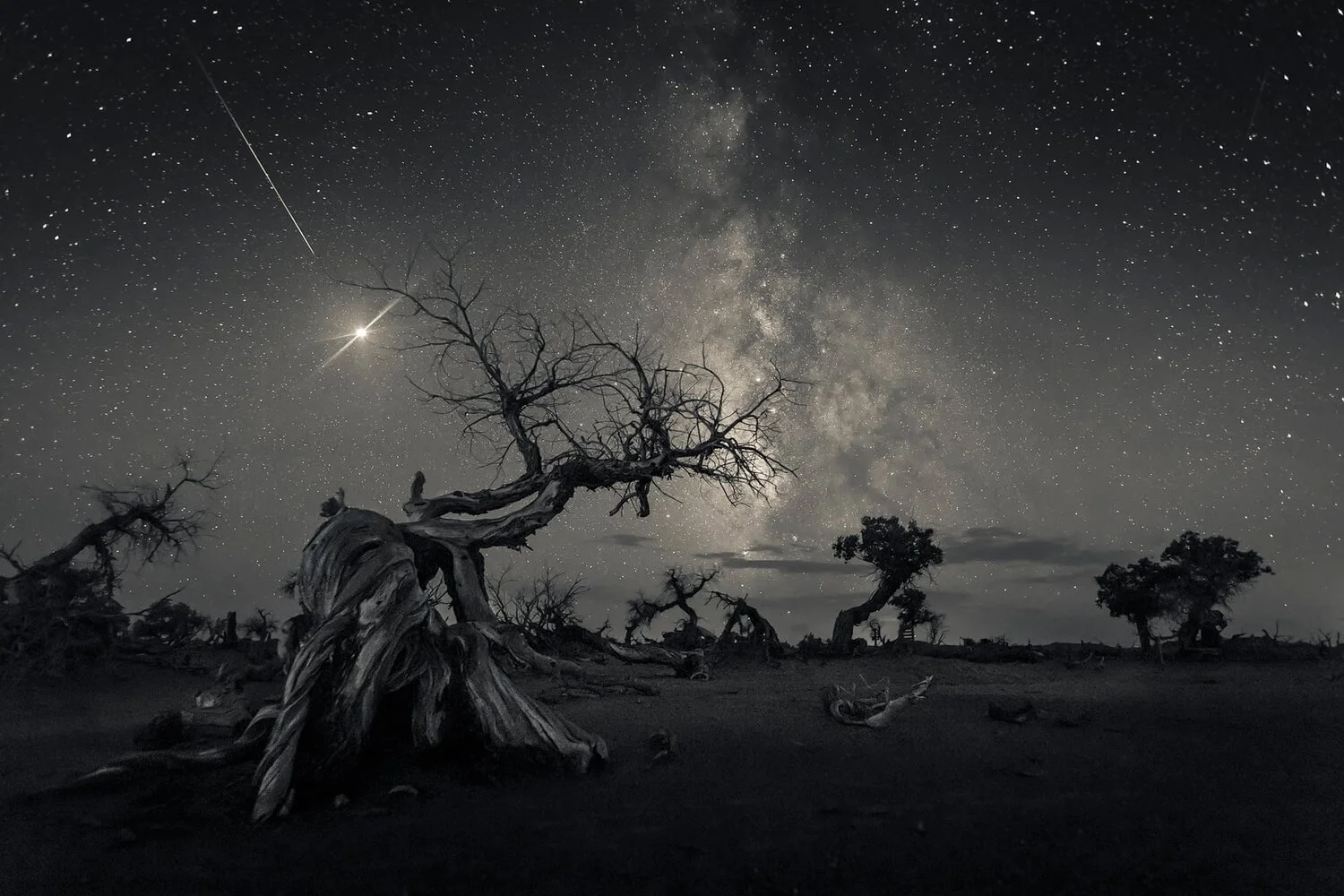
Across the Sky of History, by Wang Zheng
Winner: Skyscapes
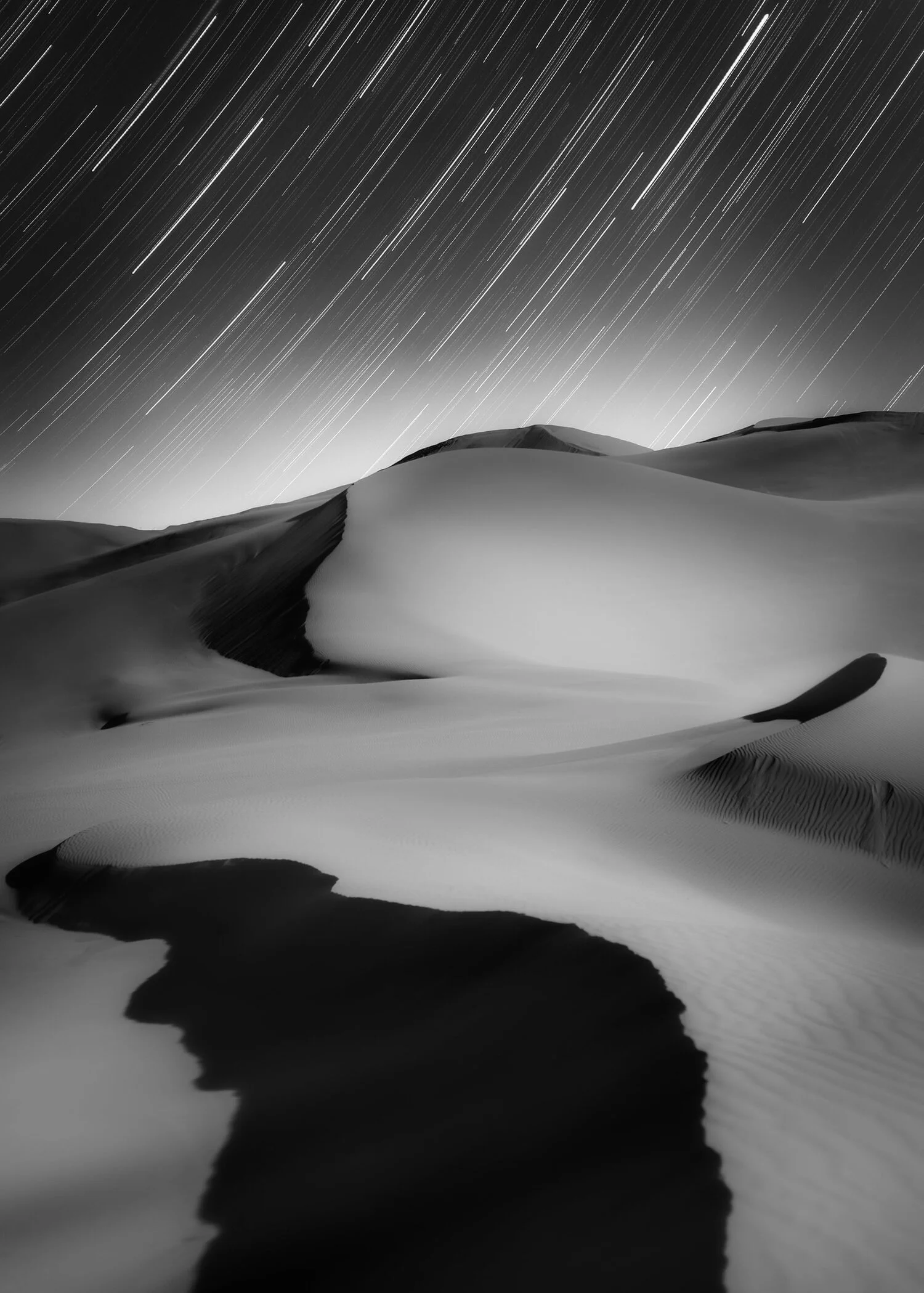
Sky and Ground, Stars and Sand, by Shuchang Dong
Winner: Best Newcomer
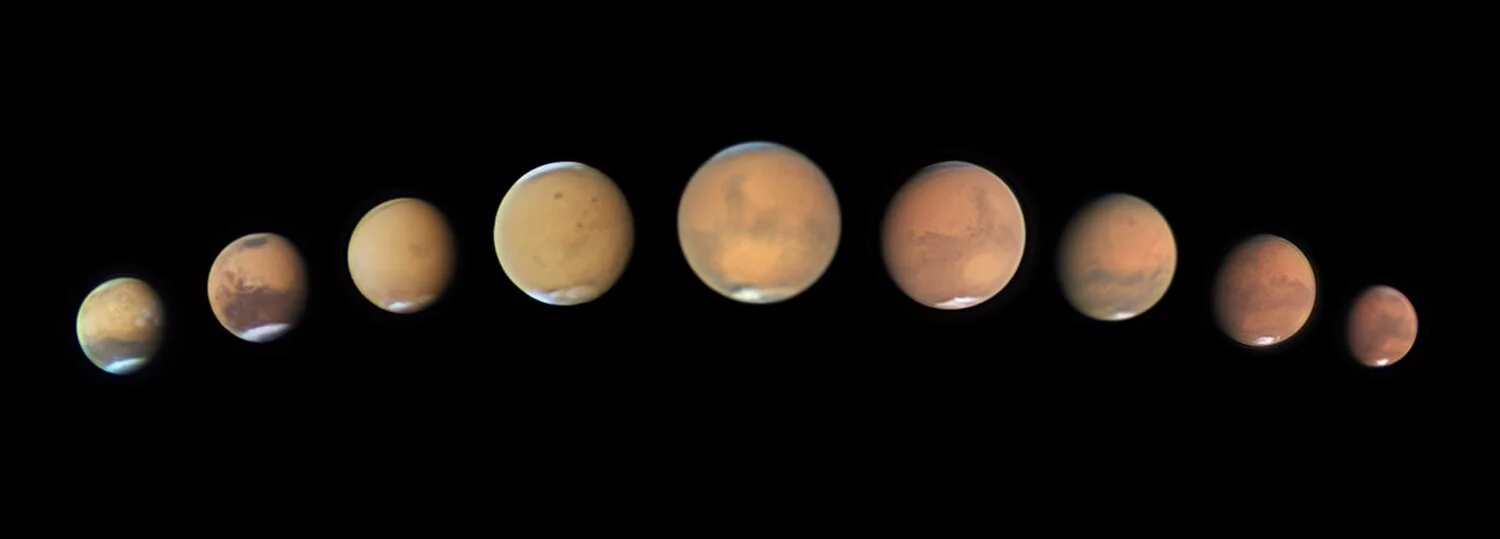
Death of Opportunity, by Andy Casely
Winner: Planets, Comets & Asteroids
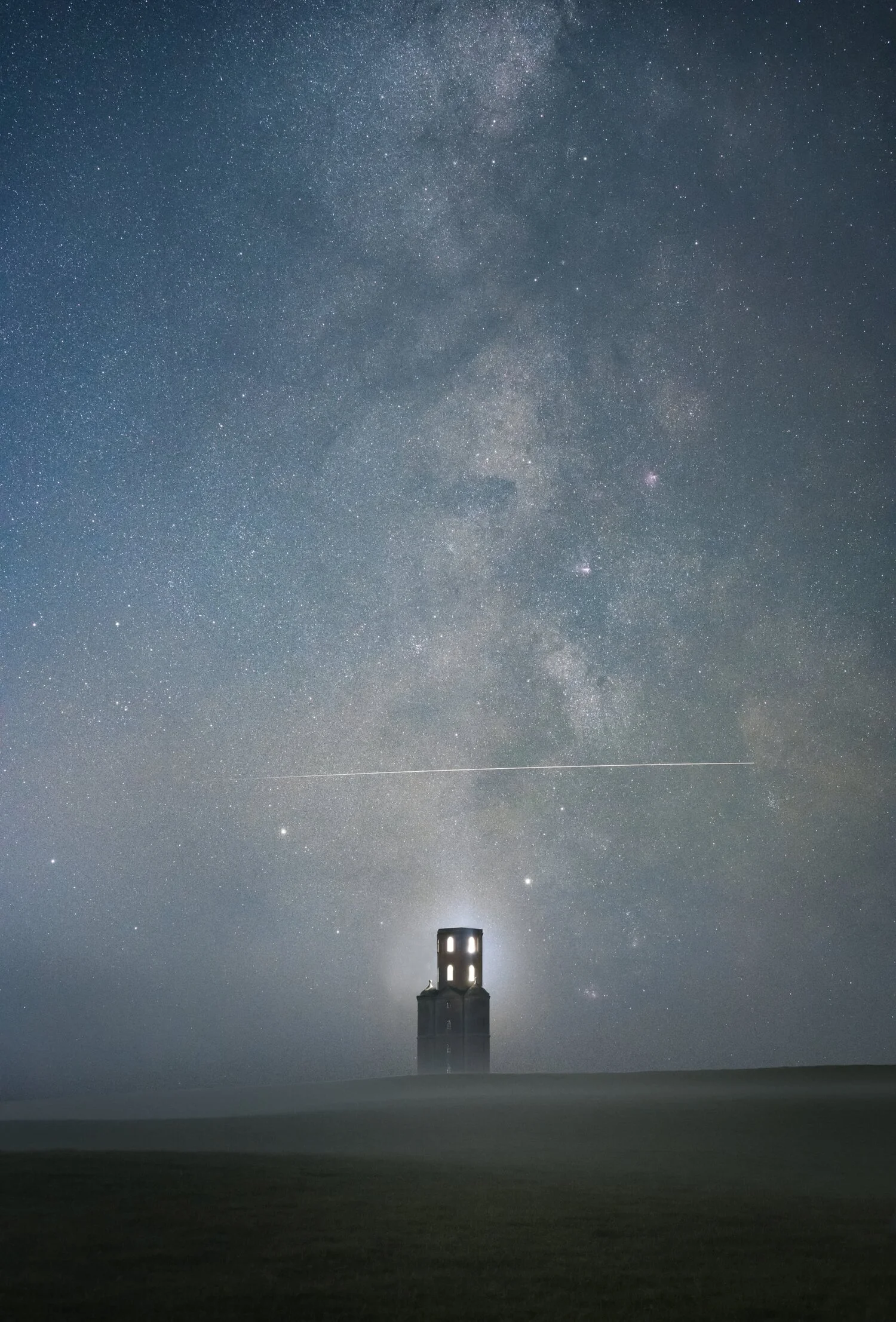
Above the Tower, by Sam King
Highly Commended: People and Space
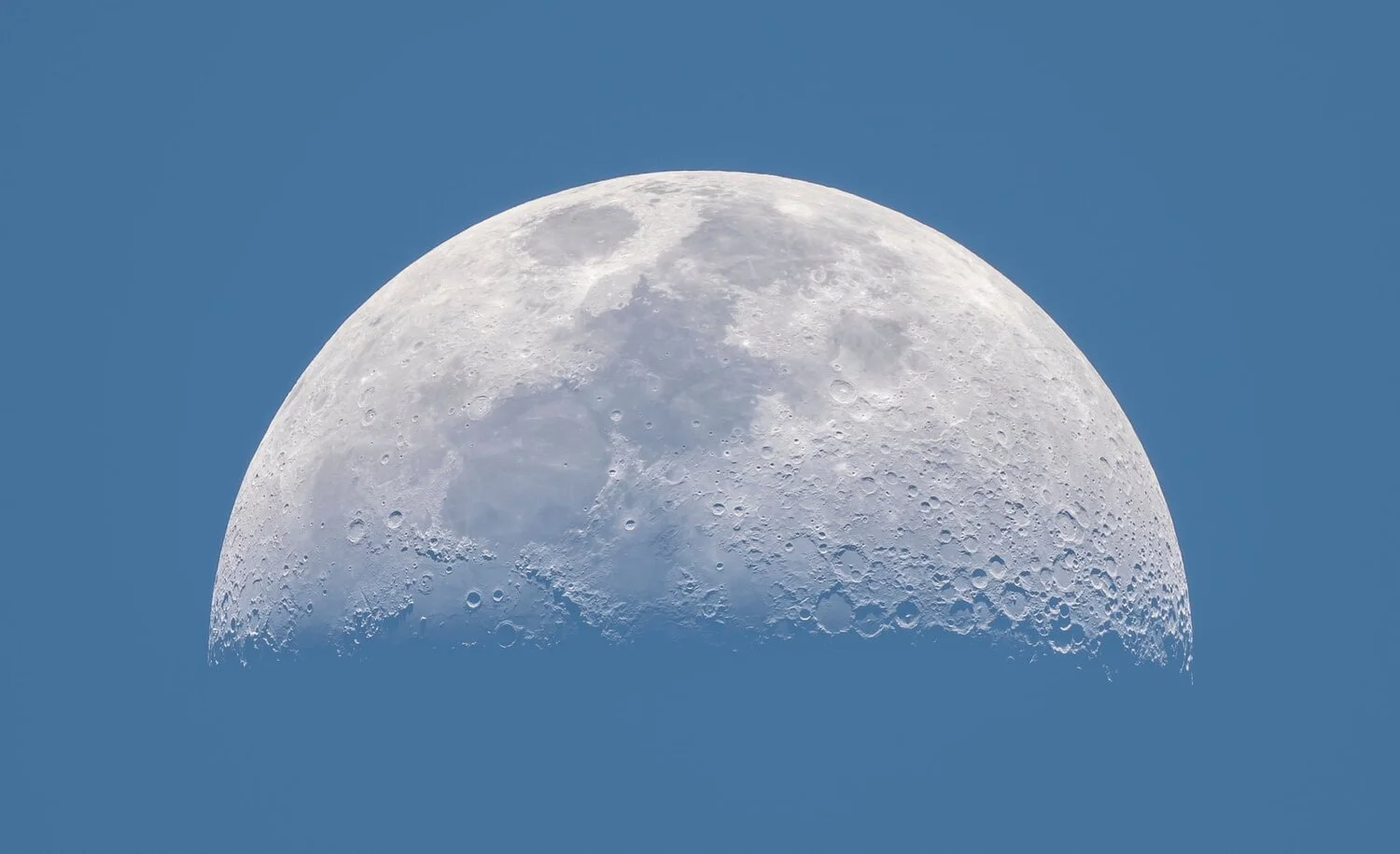
Crescent Moon During the Day, by Rafael Ruiz
Runner Up: Our Moon
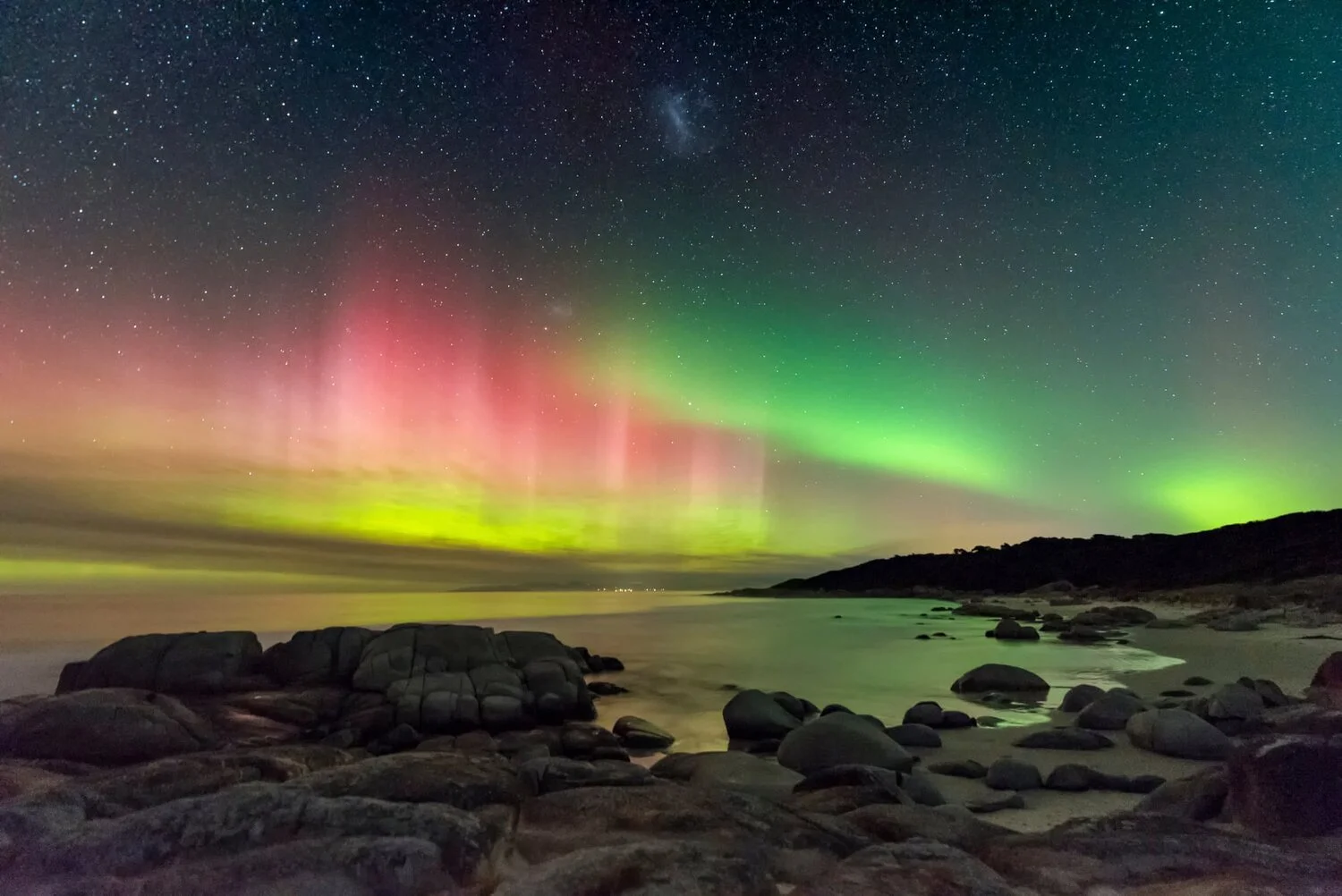
Aurora Australis from Beerbarrel Beach, by James Stone
Runner Up: Aurorae
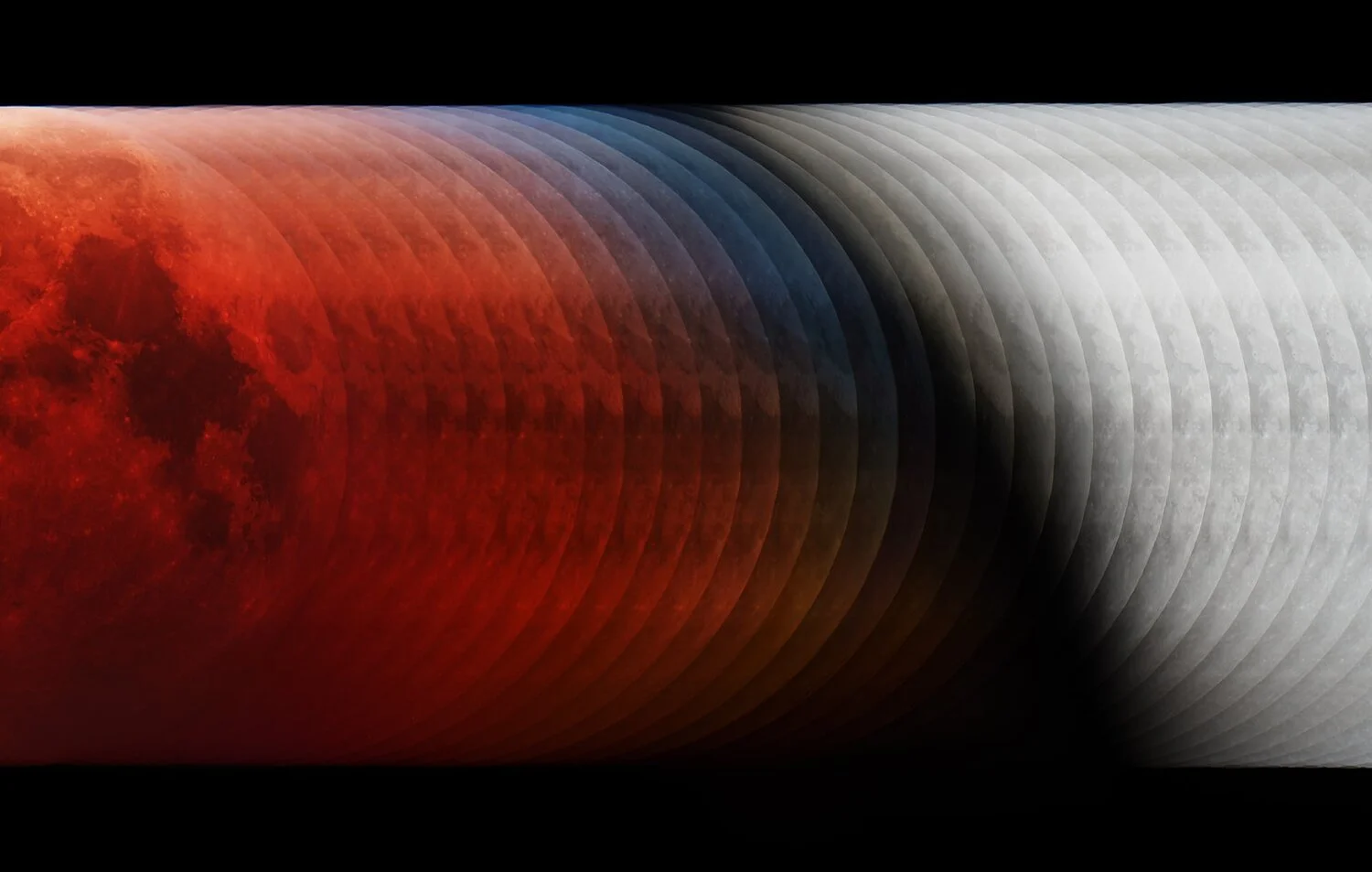
Into the Shadow, by László Francsics
Winner: Our Moon and Winner: OverallThe photograph depicts a creative and artistic composition of the 35 phases of the total lunar eclipse that occurred on 21 January 2019. Competition judge Ed Robinson said: ‘For a single multiple-exposure image to capture this event with such positional precision, creative innovation and beauty is nothing short of masterful’
Artistically Arranged Time Slice Photos Show the Stages of a Total Solar Eclipse
By Emma Taggart
A solar eclipse occurs when the Sun, Moon, and Earth are aligned, causing our world to be momentarily engulfed in a shadow cast by the moon. The natural phenomenon occurs on Earth only every 18 months on average, but it is estimated that they recur at the same place only once every 360 to 410 years. Inspired by the rare event, Los Angeles-based photographer Dan Marker-Moore decided to capture the most recent solar eclipse, which occurred in Chile on July 2, 2019.
While most photographers capture images that depict single eclipse phases, Marker-Moore decided to document the entire event in one image by arranging multiple photos of the sun into charts and patterns. Each composite photo contains between 26 and 425 photos of the Sun and Moon that were shot over 3 hours. The series artistically showcases the solar eclipse from start to finish, revealing how the sun changes from a full, bright sphere, to a dulling crescent, to eventfully being fully covered by the moon’s black shadow.
Scroll down for Marker-Moore’s Eclipse series. You can also purchase the collection as prints on his website. In addition to his photo charts, the photographer also created a mesmerizing time-lapse video of the July 2 event—check it out below.
Photographer Dan Marker-Moore captures the progression of the recent solar eclipse in Chile with his artistically arranged composite photos.
Each image contains between 26 and 425 photos of the Sun and Moon that were shot over 3 hours.
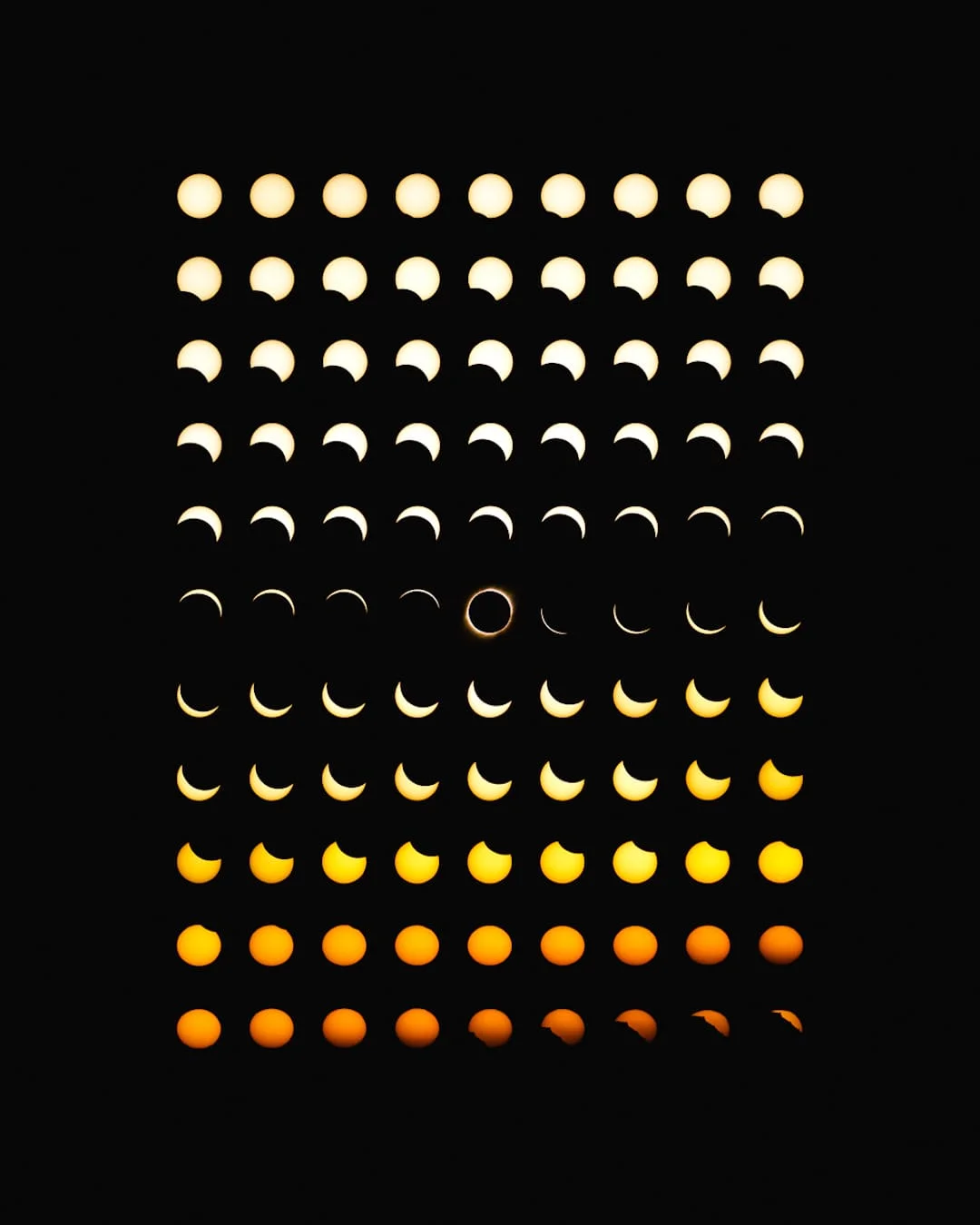
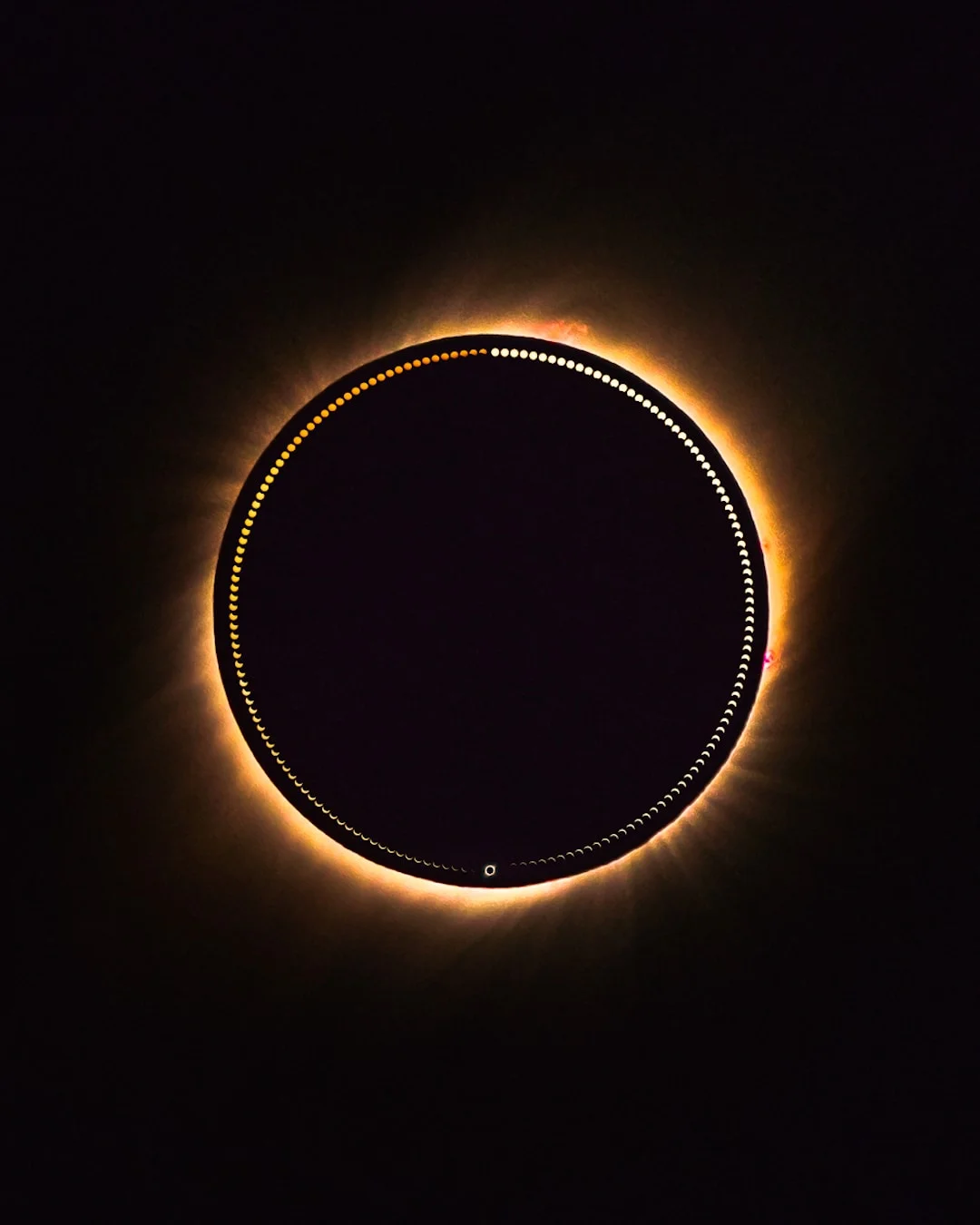
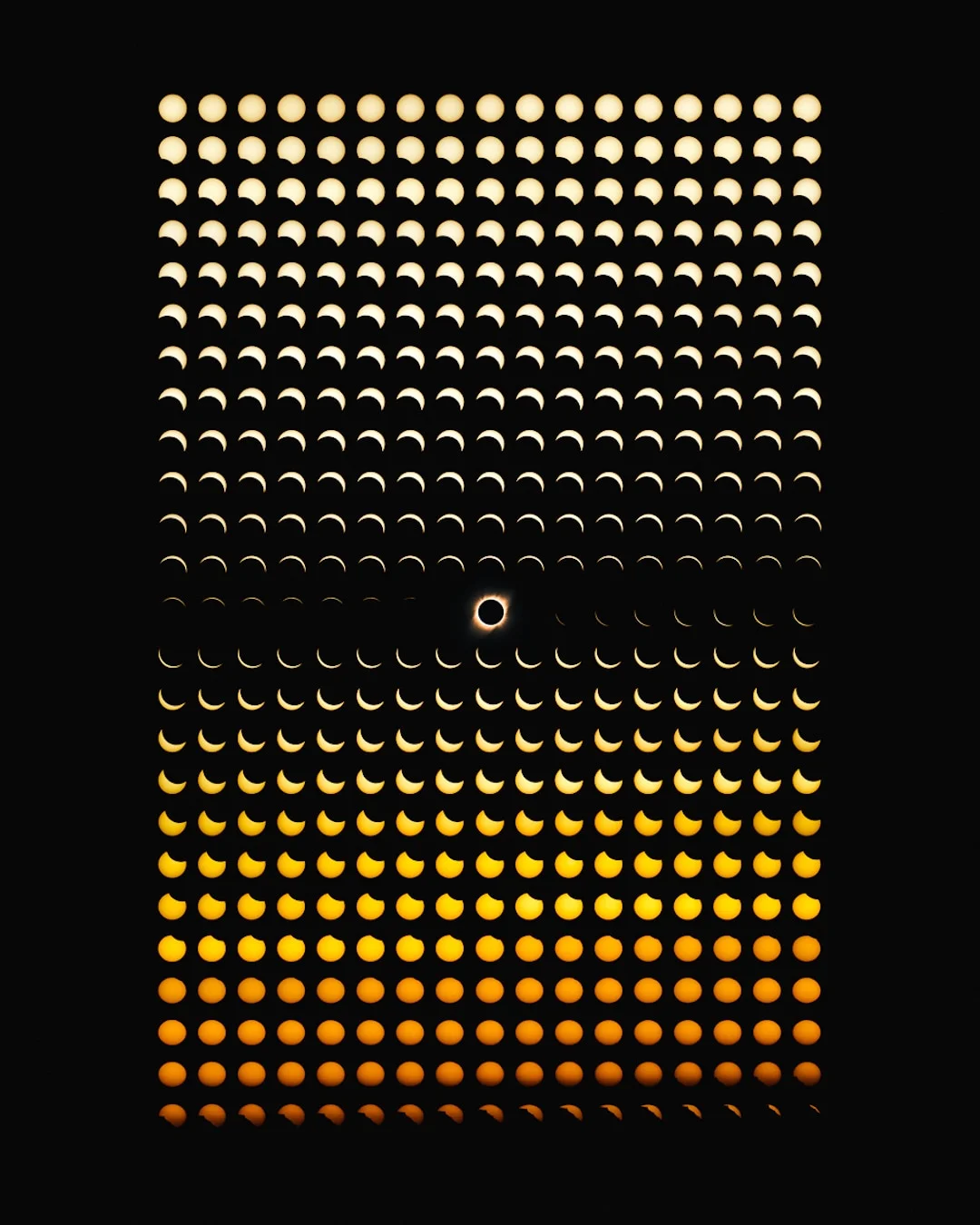
Here’s a behind the scenes look into how Marker-Moore achieved the series.
Watch his beautiful time-lapse video of the rare event below.
Hubble's New Portrait of Jupiter
This new Hubble Space Telescope view of Jupiter, taken on June 27, 2019, reveals the giant planet's trademark Great Red Spot, and a more intense color palette in the clouds swirling in Jupiter's turbulent atmosphere than seen in previous years. The colors, and their changes, provide important clues to ongoing processes in Jupiter's atmosphere.
The bands are created by differences in the thickness and height of the ammonia ice clouds. The colorful bands, which flow in opposite directions at various latitudes, result from different atmospheric pressures. Lighter bands rise higher and have thicker clouds than the darker bands.
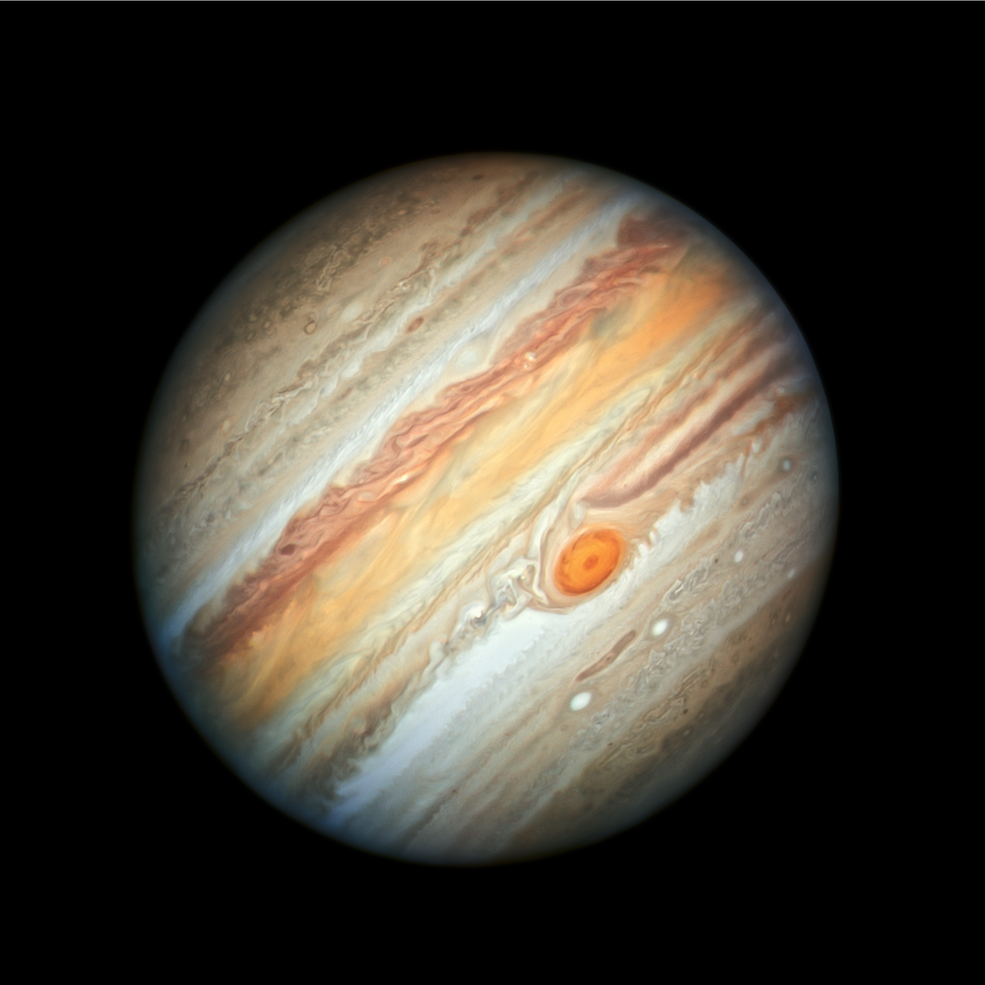
This new Hubble Space Telescope view of Jupiter, taken on June 27, 2019, reveals the giant planet's trademark Great Red Spot, and a more intense color palette in the clouds swirling in Jupiter's turbulent atmosphere than seen in previous years. The colors, and their changes, provide important clues to ongoing processes in Jupiter's atmosphere. The new image was taken in visible light as part of the Outer Planets Atmospheres Legacy program, or OPAL. The program provides yearly Hubble global views of the outer planets to look for changes in their storms, winds and clouds. Hubble's Wide Field Camera 3 observed Jupiter when the planet was 400 million miles from Earth, when Jupiter was near "opposition" or almost directly opposite the Sun in the sky.
Credits: NASA, ESA, A. Simon (Goddard Space Flight Center) and M.H. Wong (University of California, Berkeley)
Among the most striking features in the image are the rich colors of the clouds moving toward the Great Red Spot, a storm rolling counterclockwise between two bands of clouds. These two cloud bands, above and below the Great Red Spot, are moving in opposite directions. The red band above and to the right (northeast) of the Great Red Spot contains clouds moving westward and around the north of the giant tempest. The white clouds to the left (southwest) of the storm are moving eastward to the south of the spot.
All of Jupiter's colorful cloud bands in this image are confined to the north and south by jet streams that remain constant, even when the bands change color. The bands are all separated by winds that can reach speeds of up to 400 miles (644 kilometers) per hour.
Credits: NASA's Goddard Space Flight Center
Download this video in HD formats from NASA Goddard's Scientific Visualization Studio
On the opposite side of the planet, the band of deep red color northeast of the Great Red Spot and the bright white band to the southeast of it become much fainter. The swirling filaments seen around the outer edge of the red super storm are high-altitude clouds that are being pulled in and around it.
The Great Red Spot is a towering structure shaped like a wedding cake, whose upper haze layer extends more than 3 miles (5 kilometers) higher than clouds in other areas. The gigantic structure, with a diameter slightly larger than Earth's, is a high-pressure wind system called an anticyclone that has been slowly downsizing since the 1800s. The reason for this change in size is still unknown.
This animation of a rotating Jupiter was assembled from a Hubble Space Telescope photographic mosaic of almost the entire planet. The resulting flat map was computer-projected onto a sphere to create a rotating globe (excluding the polar regions above 80 degrees latitude). Jupiter completes one rotation every 9.8 hours. The giant planet's trademark Great Red Spot is the orange-colored oval that is as big as Earth. Distinct parallel bands of roiling clouds dominate our view above Jupiter's deep hydrogen/helium atmosphere. The colorful cloud bands are confined by jet streams blowing in opposite directions at different latitudes. A characteristic string of white oval-shaped anticyclones appears along one latitude band in the planet’s southern hemisphere. Hubble takes images of the entire planet as part of the Outer Planets Atmospheres Legacy program, or OPAL. This program provides yearly Hubble global views of the outer planets to look for changes in their storms, winds and clouds.
Credits: NASA, ESA, A. Simon (Goddard Space Flight Center), M.H. Wong (University of California, Berkeley) and L. Hustak (STScI)
A worm-shaped feature located below the Great Red Spot is a cyclone, a vortex around a low-pressure area with winds spinning in the opposite direction from the Red Spot. Researchers have observed cyclones with a wide variety of different appearances across the planet. The two white oval-shaped features are anticyclones, like small versions of the Great Red Spot.
Another interesting detail is the color of the wide band at the equator. The bright orange color may be a sign that deeper clouds are starting to clear out, emphasizing red particles in the overlying haze.
The new image was taken in visible light as part of the Outer Planets Atmospheres Legacy program, or OPAL. The program provides yearly Hubble global views of the outer planets to look for changes in their storms, winds and clouds.
Hubble's Wide Field Camera 3 observed Jupiter when the planet was 400 million miles from Earth, when Jupiter was near "opposition" or almost directly opposite the Sun in the sky.
click image to enlarge
This Hubble Space Telescope image highlights the distinct bands of roiling clouds that are characteristic of Jupiter's atmosphere. The view represents a stretched-out map of the entire planet. Researchers combined several Hubble exposures to create this flat map, which excludes the polar regions (above 80 degrees latitude).
Credits: NASA, ESA, A. Simon (Goddard Space Flight Center) and M.H. Wong (University of California, Berkeley)
Claire Andreoli
NASA's Goddard Space Flight Center, Greenbelt, Md.
301-286-1940
claire.andreoli@nasa.gov
Donna Weaver / Ray Villard
Space Telescope Science Institute, Baltimore
410-338-4493 / 410-338-4514
dweaver@stsci.edu / villard@stsci.edu
Amy Simon
NASA's Goddard Space Flight Center, Greenbelt, Md.
amy.simon@nasa.gov
Mike Wong
University of California, Berkeley, Calif.
mikewong@astro.berkeley.edu
Last Updated: Aug. 8, 2019
Editor: Rob Garner
Leaked promo video hints at Google Pixel 4 astrophotography mode
The upcoming Google Pixel smartphone -- Pixel 4 would feature gestures, night time camera enhancements and an astrophotography mode, a promo video of the device confirmed.
The one-minute promo video puts particular emphasis on night time camera capabilities and also on some new Google Assistant features, allowing Pixel 4 owners to fully control Google Photos with just voice controls, The Verge reported on Monday.
In addition, the device would feature a new Motion Mode for actio ..
In addition, the device would feature a new Motion Mode for action scenes, an enhanced Night Sight feature and would offer 8x zoom, reports suggest.
The new Motion Mode is said to allow users to capture high-quality action shots with moving subjects in the foreground and blurry backgrounds, The Verge reported on Friday.
The Night Sight feature would include speed-related enhancements, allowing the phone to take better pictures at night.
For 8x zoom, it is unclear whether the camera would feature optical zoom or a combination of both optical and digital.
Search engine giant Google is expected to refresh its Pixel series with thle aunch of the two smartphones late in October.
economictimes.indiatimes.com
Williams Optics:- SpaceCat 51 APO 250mm f/4.9-Limited Edition
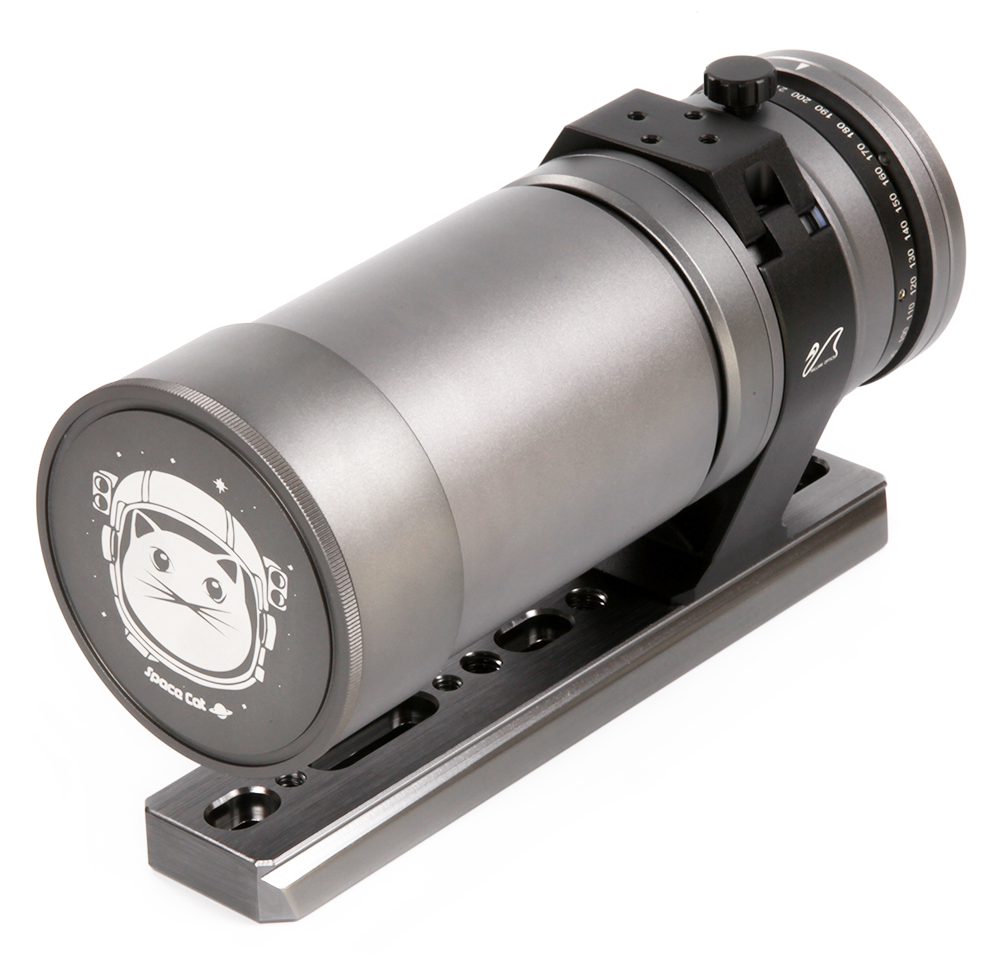
New cat is available.
We have upgrade some parts to made our CAT series better than before.
SpaceCat Limited Edition can pre order NOW!!!!
We will ship before October
Click here to purchase FAST!!!!
Shooting with an Astro-DSLR in the Atacama Desert
by Molly Wakeling (Astronomolly)
Trip of a Lifetime
For the first two weeks of July 2019, I had the grand opportunity to take a vacation to northern Chile. It was an incredible trip! The small group of us from my astronomy club had two goals: see the July 2nd solar eclipse, and observe the Southern skies from the dark, high-altitude air of the Atacama Desert.
We spent the first week in Santiago and La Serena, and we watched the eclipse from the village of La Higuera, about 50 km north of the coastal town of La Serena. It was an incredible experience, especially when shared with some 250,000 people who flooded the area! The second week we spent at the Atacama Lodge, just south of the touristy village of San Pedro de Atacama in the northern part of Chile. The Atacama Lodge is owned by French expat Alain Maury, who maintains several robotic telescopes and offers nightly tours to buses of people in his sunflower field of home-built Dobsonians. You can also stay in one of the adobe cabins on-site, and rent a telescope for yourself. I had rented an imaging rig (which he usually doesn’t do, but I convinced him I knew what I was doing), but some power issues with the mount left me using my own gear most of the week. I had brought down my Nikon D5300, Sky-Watcher Star Adventurer DSLR tracking mount, and three lenses: the stock 18-55mm f/3.5 lens, an older 70-300mm f/4-5.6 lens, and a new 35mm f/1.8 lens I had just purchased before the trip.
I have kept a log of all of my astronomy nights since I started the hobby back in July 2015; this is night #197, which was my third dark, steady, cloudless night at the Atacama Lodge.
Daytime Excursions
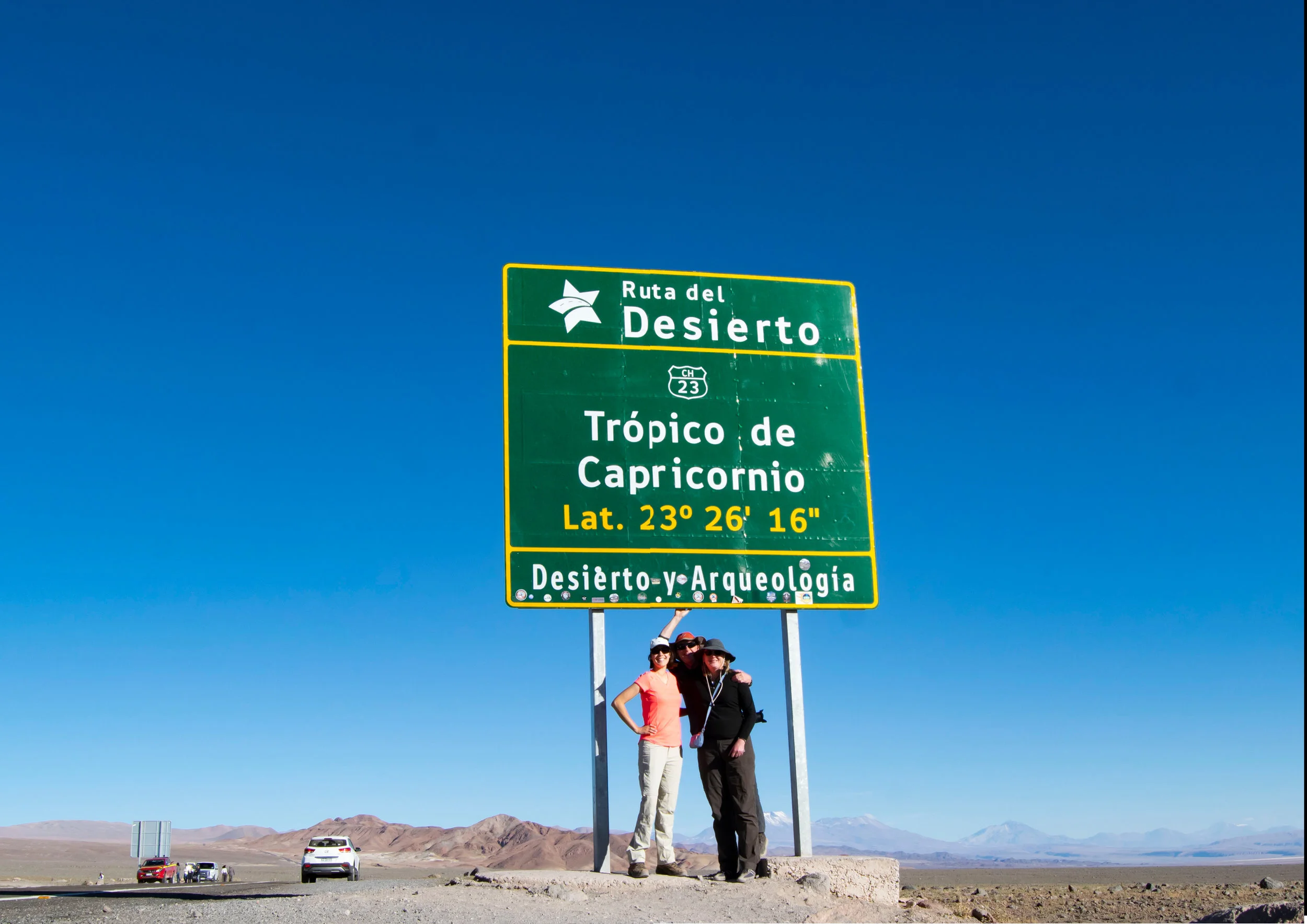
I managed once again to sleep in until 12:45 PM, and thank goodness! I was starting to feel more adjusted to the altitude (7800’), and my two traveling companions (John and Beth) and I felt ready to go do some daytime exploring. So I copied last night's data off of my memory cards, drank a hearty cup of coffee, and we left at 2:30 PM to go to dome sightseeing. Our first stop was the Valle de la Luna, or "Valley of the Moon," but they only allow car entry between 8 AM and 1 PM, so we missed our chance. Try again tomorrow...so instead we set our GPS for one of the sites in the salt flats, Salar de Atacama. On the highway, we crossed the line of the Tropic of Capricorn!
Salar de Atacama was both the name of the general area, and supposedly a particular lagoon in the salt flats. Unlike salt flats in other parts of the world, the one here in the Atacama Desert was not really that flat. Well, the landscape was flat, but the salt formed stalagmites that stuck up out of the ground! We pulled off to give it a closer look, and it was extremely hard stuff. The salt chunks were also very sharp -- I was glad I had my hiking boots on with Vibram soles. It also sounded hollow in places. John used his Leatherman and some other tools he had in his pockets to bang on the crystalline structures, and with the different tones, he was making some music! It was very cool and also very strange.
We wound up not finding a particular location or lagoon of Salar de Atacama, so we drove back northward to try Laguna Cejar. But my phone's GPS said we wouldn't get there till 6:30 -- after sunset. So we just drove back to the Atacama Lodge instead. A day of bad luck! But the drive was gorgeous, at least. There were rocks strewn everywhere from volcanic eruptions, and there were some places where the road was washed out due to an earthquake re-routing a stream and launching all kinds of water down the mountain. We also passed by the entrance to the radio telescope array ALMA, and we could see the workshop from the road.
Borrowing an Awesome Camera
Once we got back to the lodge, I went and found Alain to ask for help re-polar-aligning my Sky-Watcher Star Adventurer again once it got dark, and to get a status update on the Sky-Watcher AZEQ6 mount I was supposed to be borrowing, but it had quit working. He said since he couldn't fix it right away, I could instead borrow an astro-modified Sony a7s with a Rokinon 135mm f/2 lens! I was so all over that. Astro-modified means that a standard DSLR camera has had its spectrum filter removed. Consumer cameras have a special filter on the camera chip that passes the different wavelengths of visible light at different amounts in a way that matches how the human eye responds to color. This way, images come out looking mostly like how you saw them in real life. However, the human eye is not particularly sensitive to red, which unfortunately is what a lot of the objects in the universe emit, especially nebulae. With the spectrum filter removed, far more red light can make it to the camera chip, which increases your signal-to-noise ratio at those wavelengths by quite a bit. I've seen some amazing images from astro-modified DSLRs. I've thought about doing it myself, but I think I'll save the money and get a color astro camera instead (such as the ZWO ASI1600MC, the color version of my ASI1600MM Pro) so that I can also have the cooling system.
We had a few issues at the start getting it rolling though. It had one of those spare battery and memory card compartments attached to it, and for some reason it wasn't liking some of the batteries. So we finally put just one battery in instead of two, and it seemed happier. Then, when I was scrolling through the menu options (after having Alain help me change it from French to English), it kept seeming to push
buttons on its own! Finally I called Alain over to take a look, and he just gave me another astro-modified Sony a7s to use instead. That one seemed to work.
The Sony a7s is a mirrorless camera, meaning that much like point-and-shoot cameras and video cameras, the viewfinder is electronic.
In order to actually see anything, the image gets stretched quite a bit, so it was far easier to get the camera pointed at what I want, since I could see it on the screen so easily! It also went up to stupidly high ISO values, like 64,000 (not 6400, 64,000!).
Now, the Sky-Watcher Star Adventurer actually has two camera-connection screws: one on top of the declination adjustment plate, and one further down on the dovetail. So what did I do? You guessed it – I put both DSLRs on it: the Sony a7s, and my own Nikon D5300! Actually, having the D5300 in the lower camera spot, which is toward the middle of the camera-counterweight balance point, helped balance it, which was perfect. The only issue I ran into was that I had to point the cameras carefully, since they would run into each other. It meant I couldn't quite point both where I wanted to, but I got close enough. I wound up swapping out the 300mm lens for the 35mm to avoid problems.
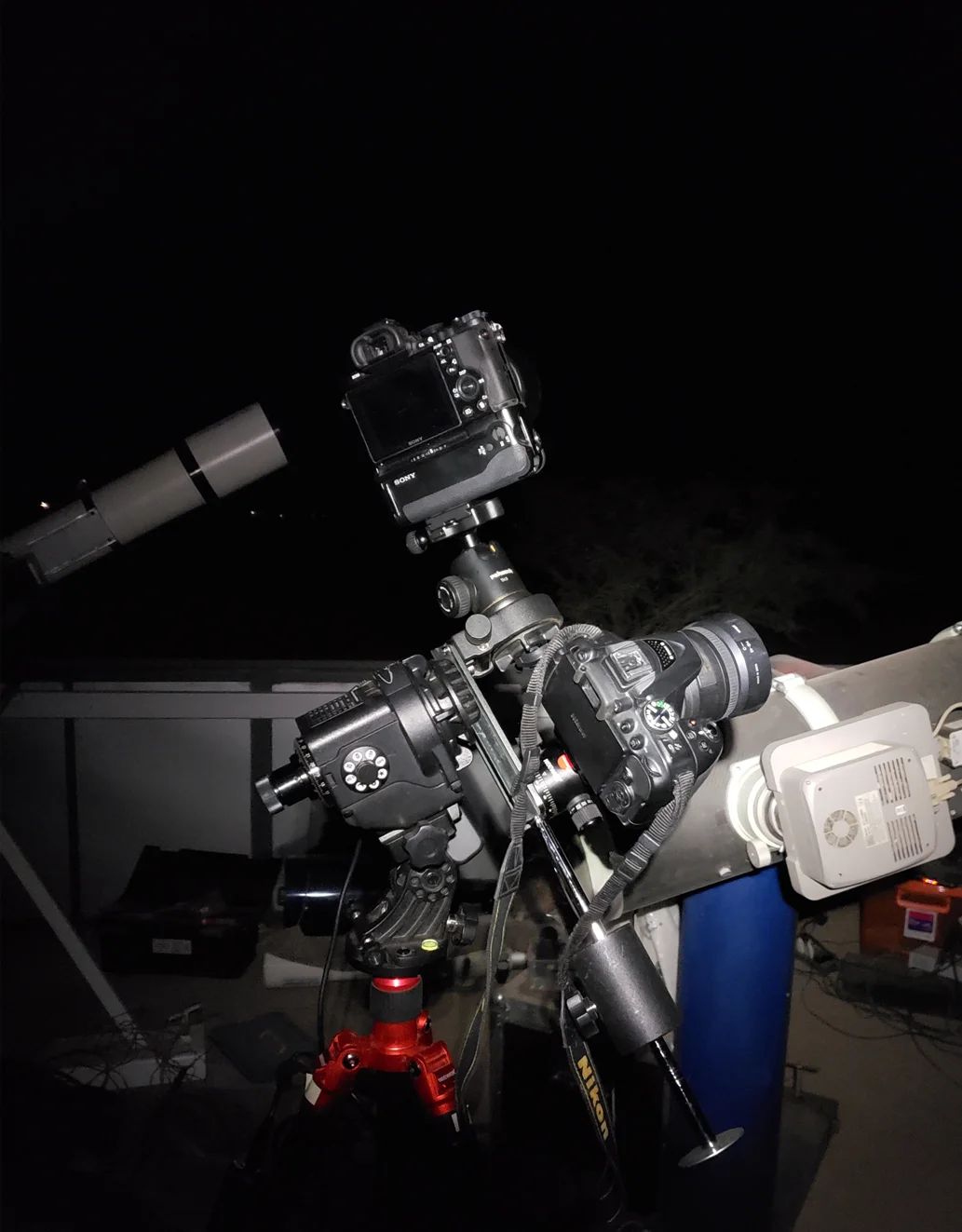
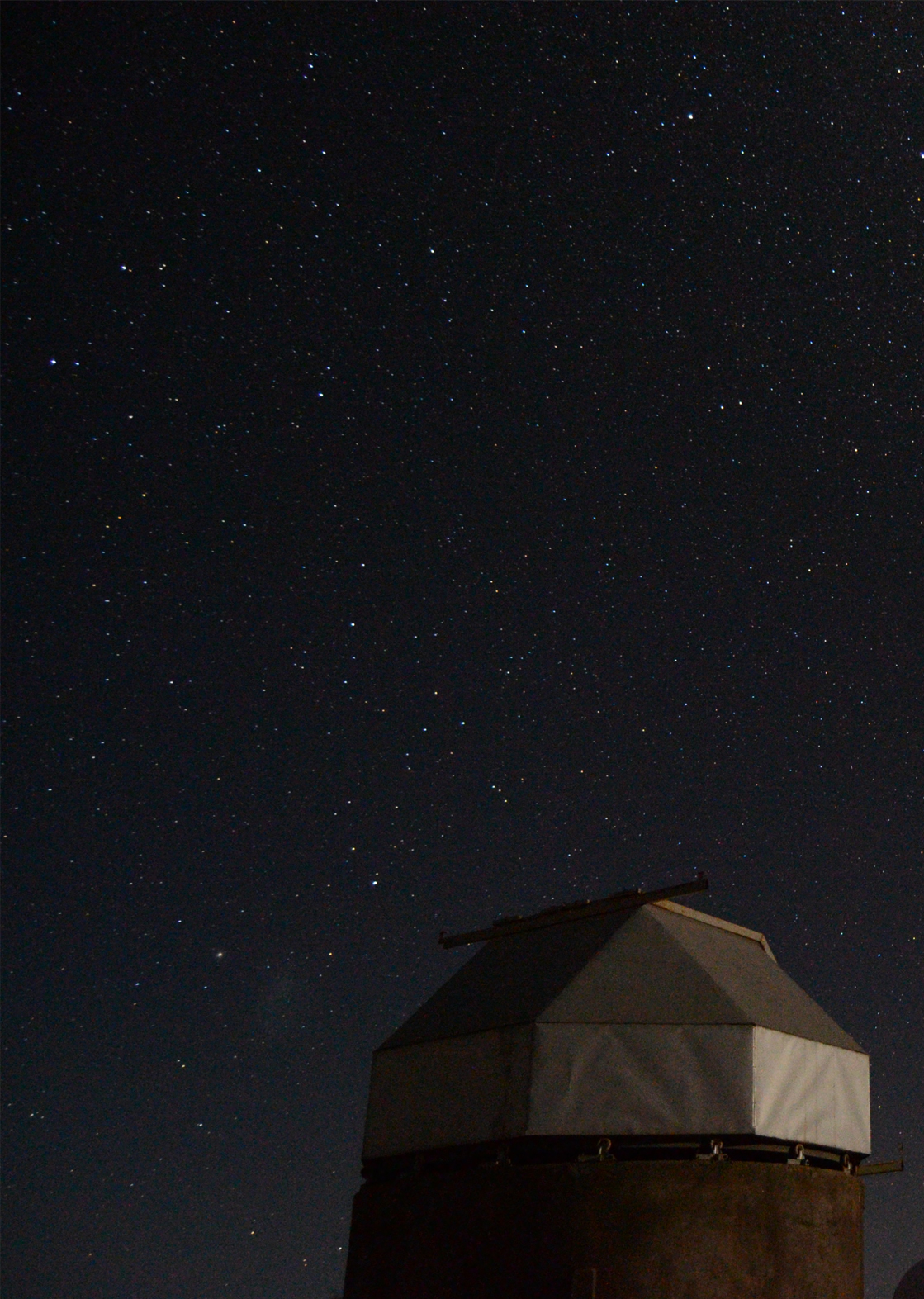
It was a challenge to focus the Rokinon lens since the focus point was very tight, but I finally got close, and then pointed the Sony toward the Eta Carinae Nebula and Running Chicken Nebula (Lambda Centauri cluster) area. I had to rotate it sideways to avoid seeing a refractor at the front of the shed. (This particular refractor belonged to the author of the BackyardNikon and BackyardEOS software!) I set the exposure time to 30s because even at ISO-1600, one minute was overexposing the image! The images looked very red due to the lack of spectrum filter, but that will all come out in processing. Then
I pointed the D5300 up to the Rho Ophiuchi region, which took a while to finesse into place so that I could get the most of the dust clouds, but not also get super-bright Jupiter in the scene.
Visual Observing
I am an astrophotographers to the core, but I do enjoy letting the photons strike my eyeball directly once in a while, especially under dark skies through big juicy Dobs. Once my cameras were all set and rolling, I wandered back over to the scopes to see what John and Beth were up to. John had a 28-inch Dob looking up at Jupiter, which was incredible in the eyepiece! So bright, and so much detail. It's so much higher in the sky at 22° S latitude than it is up in the US, plus the skies were very clear and steady. It was breezy out, which made the Chilean winter air feel much colder, and the moon was still up and brightening the sky, so we went inside to warm up and wait for it to set. In the meantime, we worked through some wine we had bought and needed to finish before we left on Thursday.
I went back to the shed later to swap batteries and re-position cameras, including on my Nikon D3100, which I had set up on my mini-tripod to do star trails/timelapse facing south over the robotic scope domes.
Then it was back to more visual observing -- M25 open cluster, Sculptor/Silver Dollar Galaxy again, NGC 1365, Stephan's Quintet, more Tarantula Nebula, and more 47 Tucanae. NGC 1365 is a gorgeous barred spiral galaxy in the constellation Fornax, and I could see its shape! Very very cool. It's about 60 million lightyears away. I also tried to find the Bug Nebula, but was unsuccessful. Giant globular cluster 47 Tucanae was truly a sight to behold! In the large Dobs, it displayed seemingly thousands of individual glittering stars that seemed to swirl around a central point right before your eyes.
The true crown jewel of the southern sky, however, is the Tarantula Nebula. With how steady the skies were, you could put a high-magnification eyepiece on one of the Dobs and lose nothing, but gain so
much.
That, combined with an OIII filter, made the Tarantula Nebula actually take my breath away. First of all, it was enormous. It is difficult to believe that it belongs to another galaxy! It also sported a great deal of structure and depth. It looked like you could fall into it, and it would catch you like a trampoline. We looked at it many times that week, although we had to stay up until after 3:30 AM to see it!
Back to Imaging
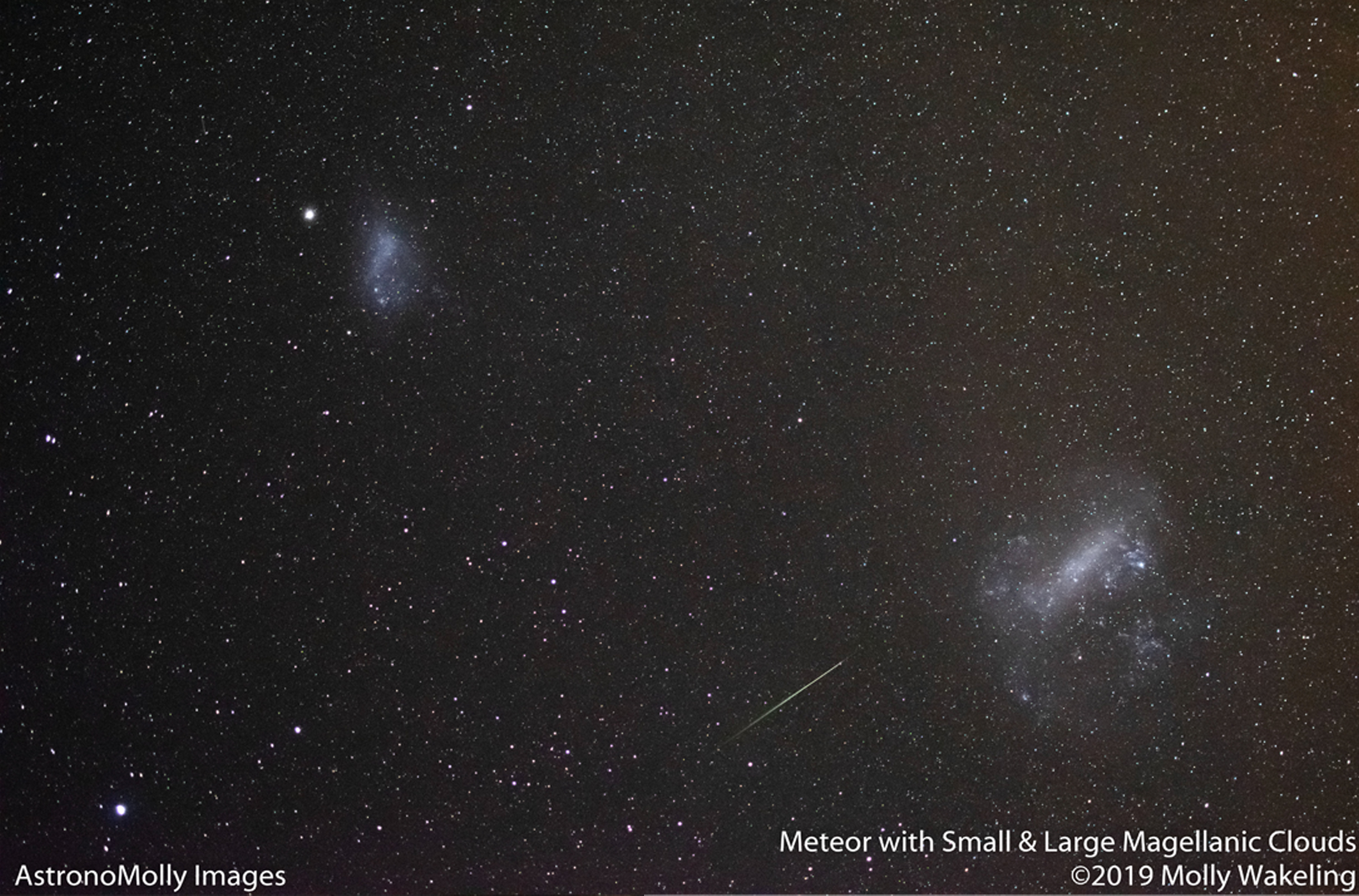
At some point, I went back over to the shed and changed the Sony to imaging the Large Magellanic Cloud, and the D5300 over to both Magellanic Clouds with its 35mm lens.
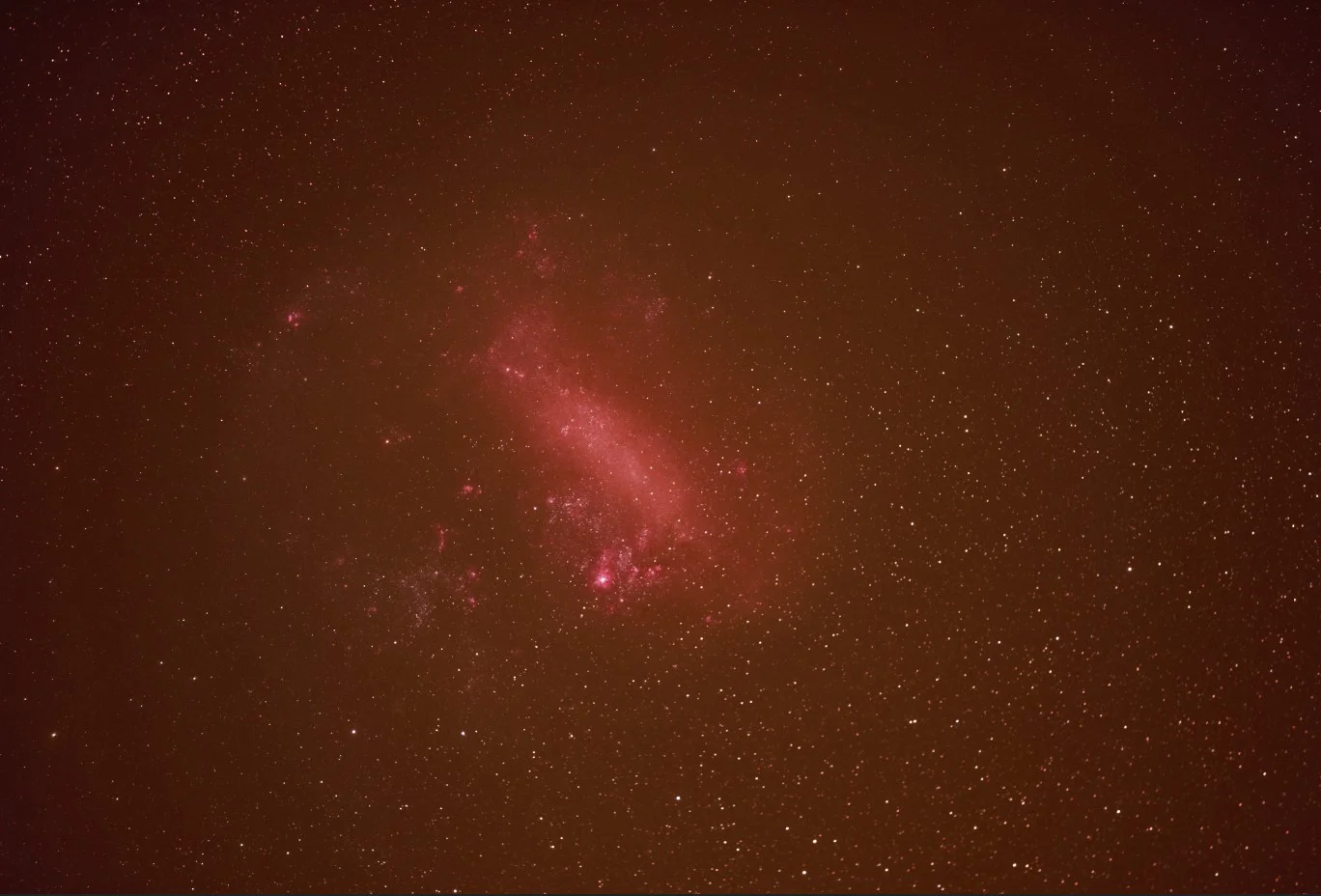
Large Magellanic Cloud single frame at f/2,
ISO-1600, 30s
Don't worry, the red will process out...
After over an hour of imaging at those spots, I discovered that I had accidentally left the D5300 set on 10s instead of Bulb from when I was centering the Magellanic Clouds! It had been imaging for quite a while at that point, but I switched it back to Bulb anyway for the 60s images I had set on the intervalometer.
At 5 AM, I was tired and ready for bed, but since it was still dark until about 6 AM, I left the cameras running this time. I had started the Sky-Watcher far enough east that I was pretty sure it wouldn't hit the mount before I woke up to shut off the power, and the shed would close at sunrise to protect from the sun (I was pointing south anyway, away from the sun). Plus, the batteries would die at some point. So I left it running and went to bed.
Another fabulous night (and day)!
Sirius Astro Products: RED EYES "CLING"
RED EYES "CLING"
**Now we have Xtra Dark Cling available**
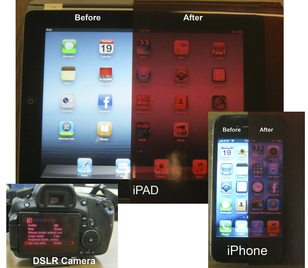
Now, the same great RED EYESspecially developed for youriPhone, iTouch, iPad, DSLR camera, and all other handheld devices. Stop the interference of the bright light from your cell phone, tablet, or camera at night. Don't lose your night vision. The Standard
RED EYES "Cling" is the solution. Made from thin static cling vinyl, will not de-laminate.
Allows touchscreen functionality, even when applied over clear protector screen. And the special shade of red lets you see the color of your apps, and does not distort the image. Easily removed, use over and over. Simply cut to size and attach with the “Clingy" side down.
Our new XTRA Dark Cling is made from a very low transparency
shade of red. It will not allow you to see the color of your apps like our Standard version, but it is guaranteed you will not lose your dark adaption.
*Comes with a handy storage envelope
**Custom sizes available, contact us**
Now, each Small size Cling will fit all iPhone 6's and large cellphones. It measures 3" x 5 1/4"
**Please note, iPhone X's require the larger size
**Free Shipping for USA Customers**(on non-custom orders)
For International & custom order shipping prices please email: BEEZOLL@AOL.COM
For our Standard & Xtra Dark Cling, please order below
Small size: 3"x 5 1/4" for iPhones/cell phones/DSLR's $5.95
Larger size: 6"x 9" for iPads/tablets $13.95
CLICK HERE TO PURCHASE AND TO VIEW OTHER SIRIUS PRODUCTS
Bay Photo: Metal Prints
Magical Luminescence
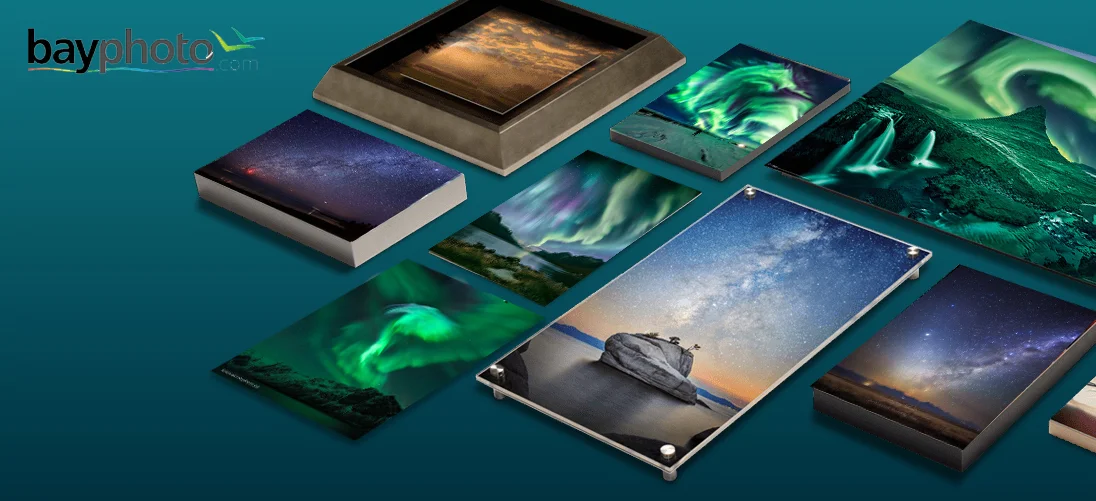
MetalPrints™ represent a new art medium for preserving photos by infusing dyes directly into specially coated aluminum sheets. Your images will take on a magical luminescence.
You've never seen a more brilliant and impressive print! Colors are vibrant and the luminescence is breathtaking. Detail and resolution are unsurpassed.
To complement this unique printing method, we have developed a wide variety of creative and modern ways to hang and display your MetalPrints™.
NEW PERFORMANCE EXT METAL
Performance EXT Metal is specially engineered for extended life in the elements! Perfect for use as outdoor art, photography, signage, and display, Performance EXT Metal will last 2-3 years in direct sunlight without noticeable fading. Available with a High Gloss surface. Adds 2 days to production time.
LONGEVITY
MetalPrints Endure the Test of Time!
While photo papers have fantastic image stability, Xenon Light Stability Testing results show that the image stability of MetalPrints is 2 to 4 times the image stability of traditional silver based photo papers.
Read the Xenon Light Stability Test Results
Click here to find out more…
Rainbow Astro: Pier
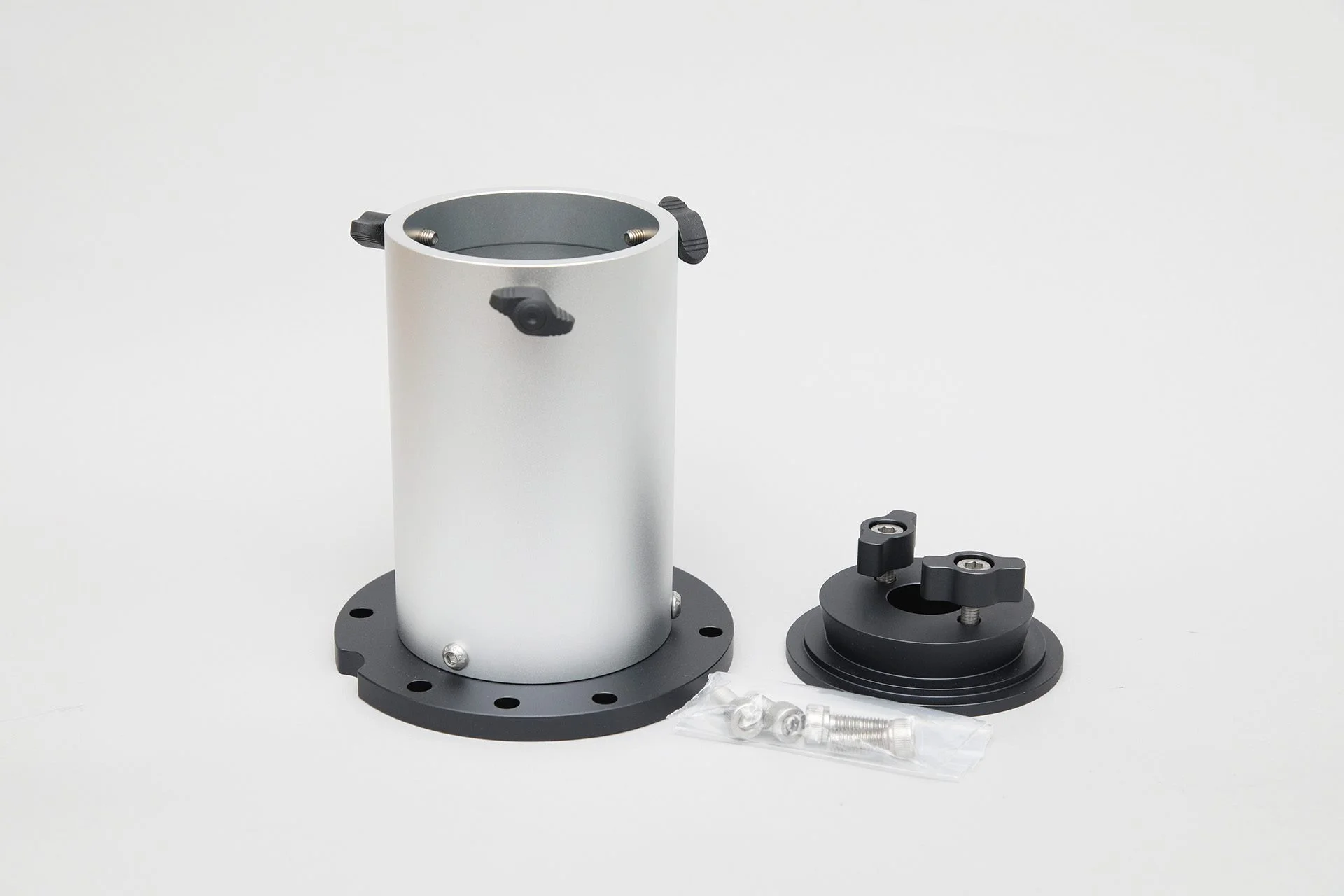
This is the half pier for the Avalon T-110 and T-130.
Please contact our dealer to purchase.
We have the following half piers.
For Gitzo 3 series, Xiletu L-404C
For Gitzo 5 series, Innorel RT90C, Leofoto LN-404C
For iOptron Tripod
For Avalon T-110, T-130
QSI: rs series
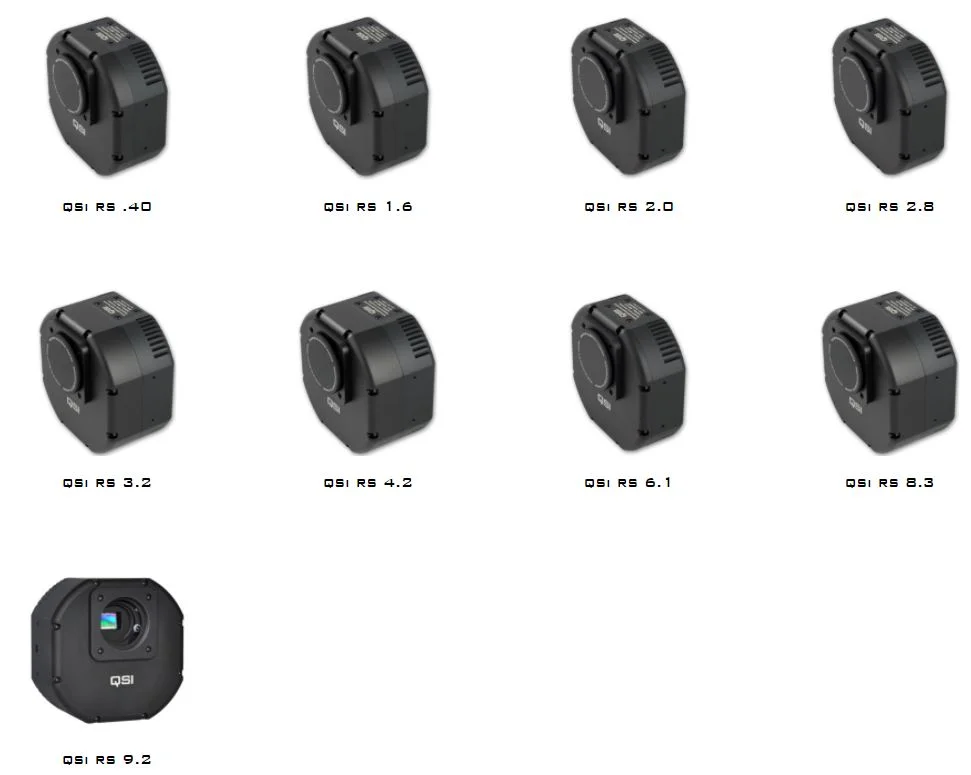
The QSI RS Series is designed for life science and research applications from Visible to NIR wavelengths. Dual read rates of up to 8 MHz with high-speed USB 2.0, deep cooling to >45C below ambient and full 16-bit output allow QSI RS Series cameras to produce high quality images with high frame rates, extremely wide dynamic range, excellent linearity and exceptionally low noise.
Some RS series cameras are available with no-coverglass CCDs and a fused silica window for maximum transmission across a broad spectrum of light, from as low as 350nm up to 1100nm. Electronic input and output triggers with latency as low as 5µsec allow precise exposure timing and triggering of external events such as strobes. RS 9.2, RS 6.1, RS 4.2 and RS 2.0 models support Particle Image Velocimetry (PIV) exposure mode for flow visualization with two exposures as close together as 100µsec.
Cooling on the RS Series is achieved with a custom 2-stage TEC supporting regulated cooling up to >45C below ambient, or greater than 50C with the optional Liquid Heat Exchanger.
The refined engineering and impressive fit, finish and attention to detail will surpass your highest expectations.

highlights
Unsurpassed image quality
Designed in the USA
Compact, refined design
AR-coated fused silica window
Configurations available for UV to NIR applications from 240nm to 1100nm
Selectable ROI and binning
Input and output triggers
PIV exposure mode for flow visualization
Dual read rates up to 8 MHz
High-speed USB 2.0, full 16-bit output
Air and liquid cooling to >50C
Available 5 or 8 position color filter wheel
Micro-Manager Microscopy Software New!
COM-compatible Windows API
Linux drivers and API

Astro hutech: Sightron-Japan’s Super Solid CF Tripod
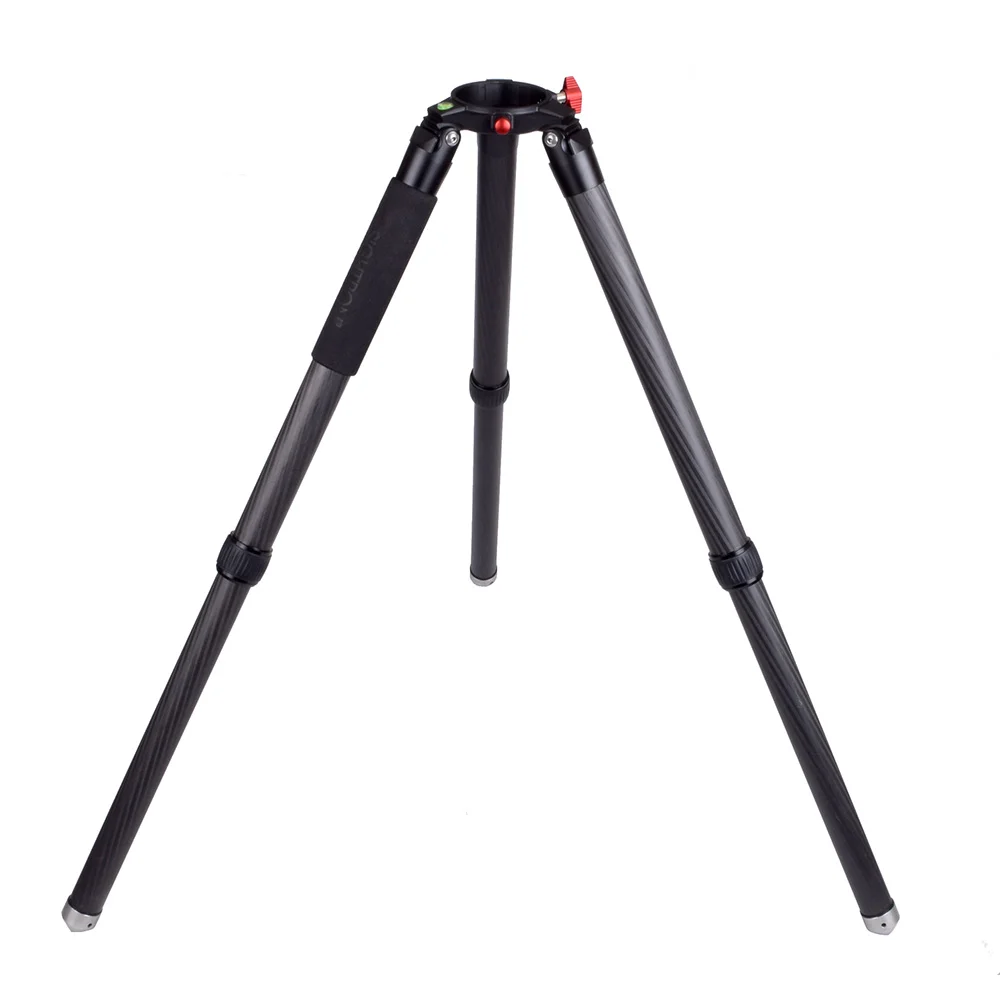
I don’t hesitate to express this is the best portable tripod I’ve ever touched and owned.
Sightron Japan introduced the super solid and lightweight carbon fiber tripod to our community. It will be available thru Astro Hutech in US soon. I brought a sample with me from Japan last week.
11-layer and 40mm/36mm diameter CF tubes are the key components for the stability. I think these numbers are quite large – larger than most of premium brand carbon fiber tripods in the market. Take a look at this comparison.
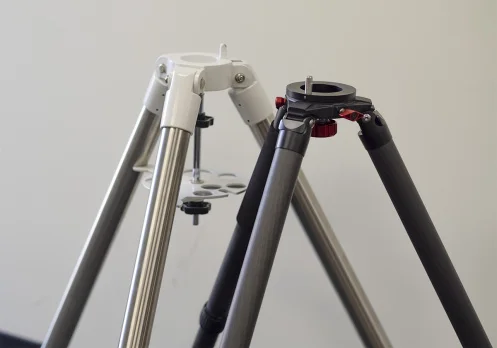
The left one is Sky-watcher standard tripod. According to my measurement, it was 44mm diameter. So you can see how 40mm is big as CF legs. And the joint sections are well solid too. I forced to twist legs. But barely flexuous. Nothing worried at all.
And with various adapters, this should be more than $1,000 values if compared with others in my opinion. See the beautiful machining finish as below!
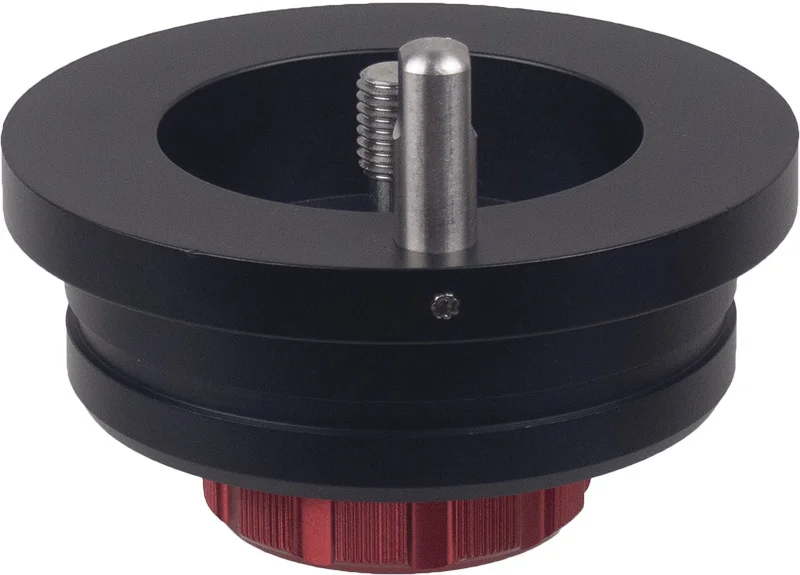
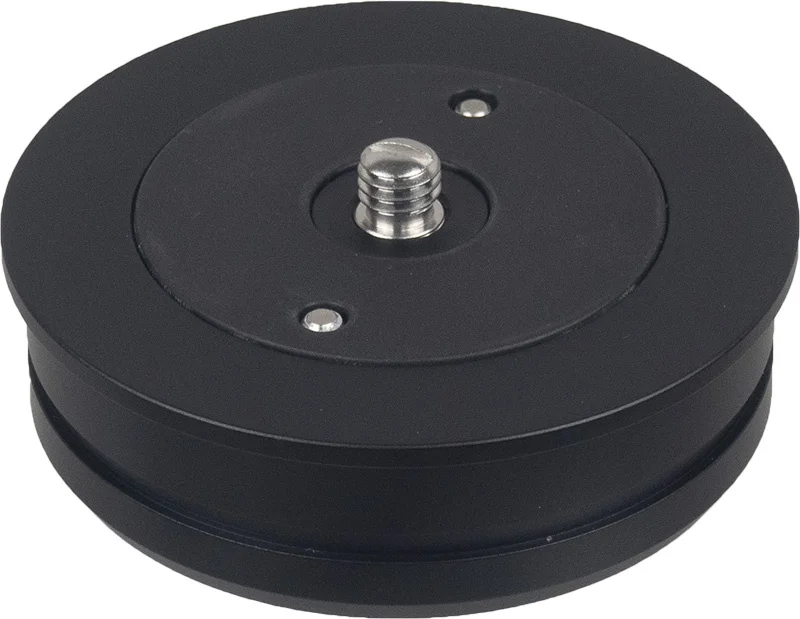
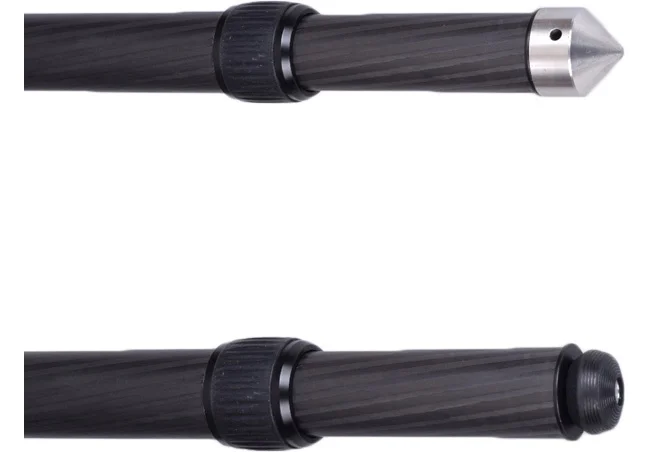
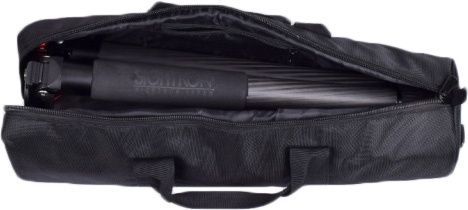
Here are setup with my mounts. Bigger mounts like EM10/11 are still no problem.
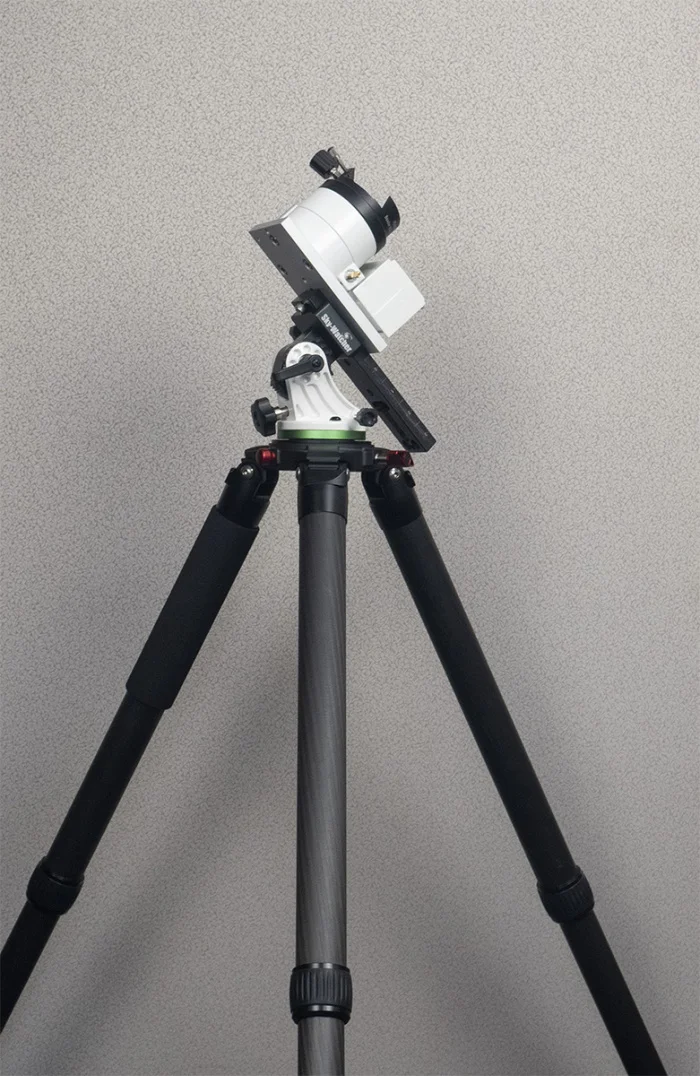
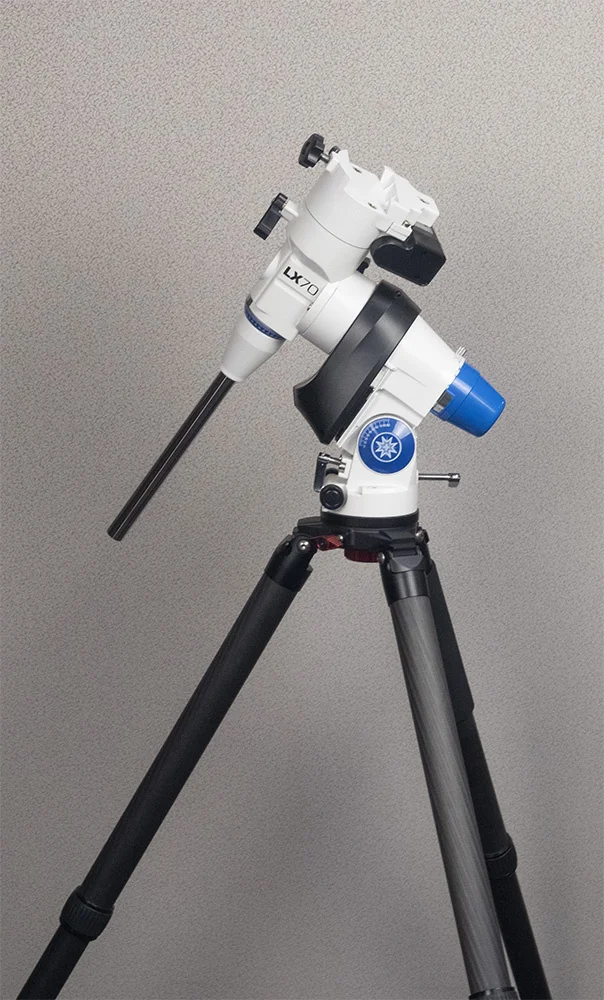
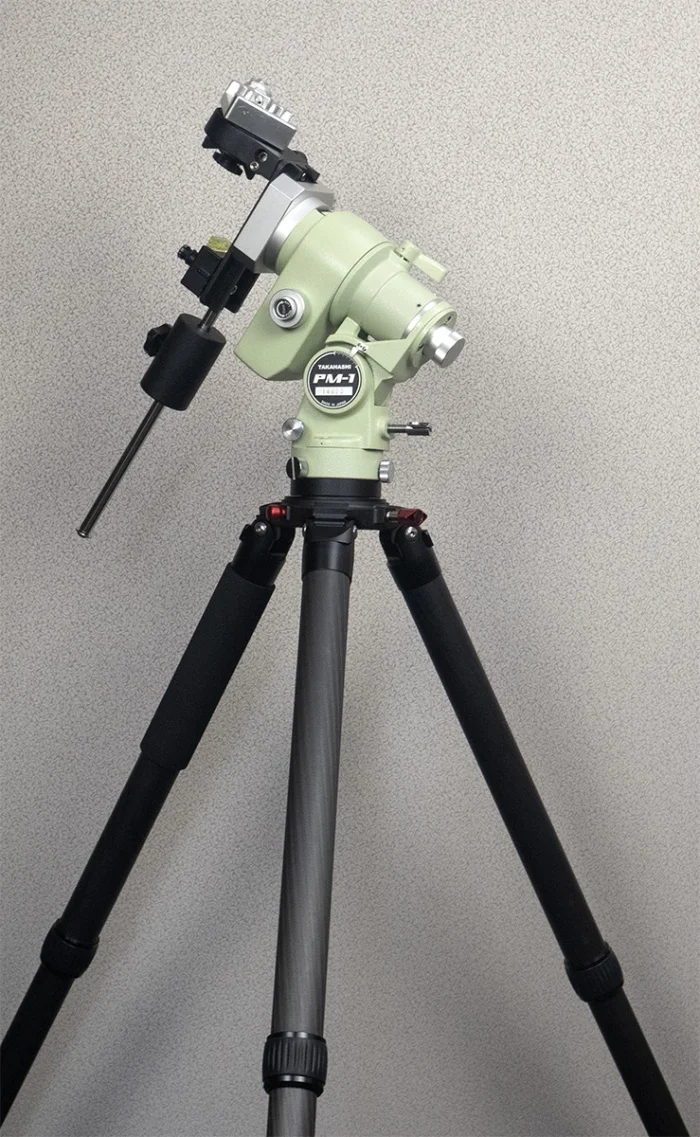
Specs are
2.1kg
140mm to 830mm high
11-layer 40mm and 36mm diameter CF tubes
30kg load capacity
Independent leg spread
Adapters : 3/8″ or 1/4″ and Sky-watcher EQ5, 3, EQM35 & some others like Vixen
US price : $499.00
Quick release adapter is well machined, snap-on and smooth release. Very pleasing touch.
Yes, this is the ultimate portable tripod highly recommended to the serious astronomers.
Deep Sky Dad: Telescope autofocuser AF2
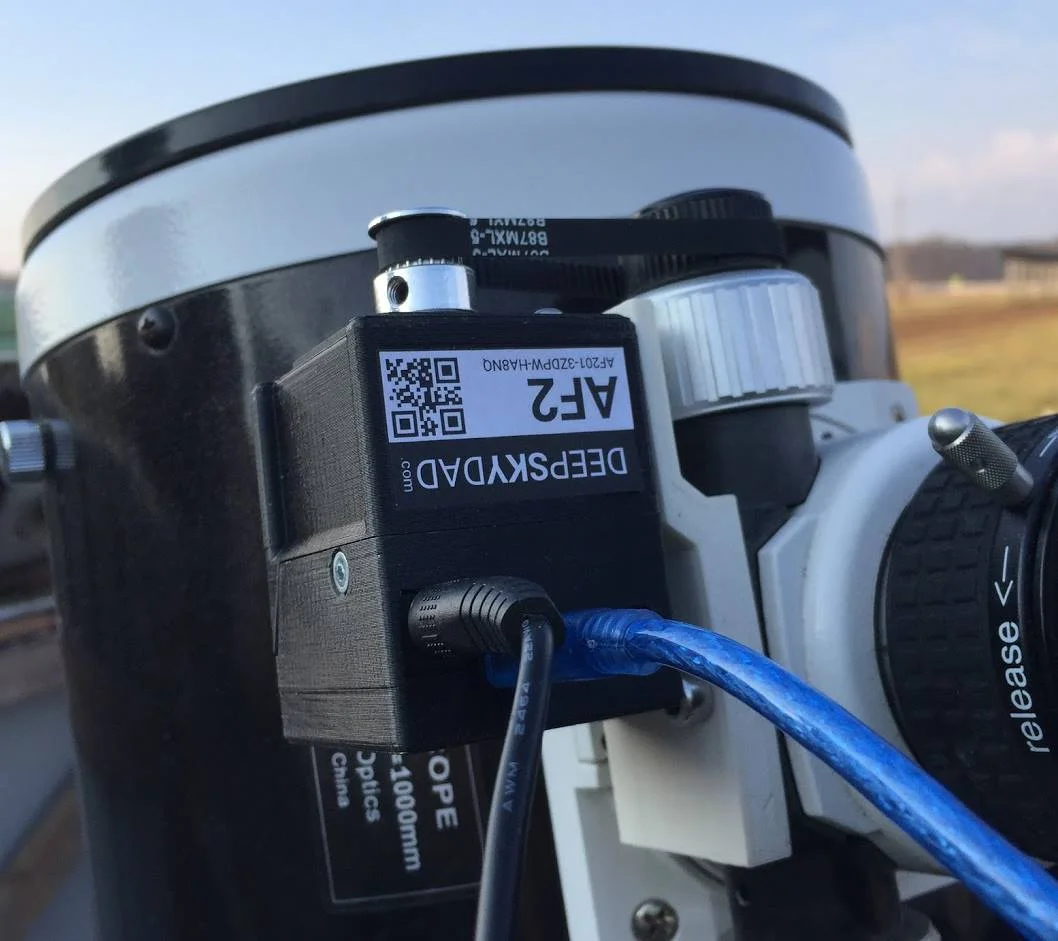
This telescope autofocusing unit can be used by astrophotographers to automate focusing process and by visual observers (using hand controler or mobile phone with WiFi) to attain perfect focus without turning the focus knob by hand and shaking the telescope. We have a large number of premade and tested mounting adapters or we can make a custom one just for you!
Click here to read more….
Astroshop: Solar promotion: telescopes and filters on special offer!
We are offering you – only while stocks last – the following telescopes and filters for solar observation at a very reasonable price:
CLICK ON IMAGES TO SEE MORE…..

DayStar SolarScout solar telescope ST 80/1400 carbon fibre H-alpha Prominence
Now only EUR 1,695. You save EUR 735!
This solar telescope is equipped with a QUARK H-alpha filter. What’s special about it: you can remove the QUARK filter in order to use it with another eyepiece! Lightweight carbon fibre tube to keep weight to a minimum. You don’t need an expensive astronomical mount.
Solarscope UK SolarView-50 solar telescope ST 50/400 OTA

Now only EUR 3,630. You save EUR 2,110!
Unlike other H-alpha telescopes, the Solarview has no central obstruction which ensures higher contrast. The result is that larger solar telescopes from other manufacturers which cost just as much or even more cannot offer anything like the same sharpness and contrast as the Solarview.
Various H-alpha filters from Coronado from the SolarMax II range

for only EUR 3,890. You save EUR 1010
Coronado SolarMax II Etalon 90mm with BF15 Blocking Filter

for only EUR 3,090. You save EUR 800!
Coronado SolarMax II Etalon 60mm with BF30 Blocking Filter
for only EUR 2,450. You save EUR 640
Coronado SolarMax II Etalon 40mm with BF15 Blocking Filter
Coronado SolarMax II Etalon 40mm with BF10 Blocking Filter
for only EUR 1,080. You save EUR 310
Coronado SolarMax II Etalon 40mm with BF5 Blocking Filter

for only EUR 990. You save EUR 400
Other accessories for solar observation
Lunt Solar Systems LS 50F Ha H-alpha filter set for 1800mm

for only EUR 2,630. You save EUR 560
Lunt Solar Systems solar filter H-alpha 50mm Double Stack

for only EUR 1,195. You save EUR 400
DayStar E-120N100 Energy Rejection Filter

for only EUR 495. You save EUR 211
Coronado BF 10mm 1,25″ blocking filter
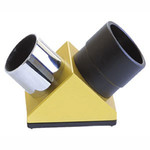
for only EUR 459. You save EUR 240
Coronado BF 5mm 1,25″ blocking filter
for only EUR 459
Lunt Solar Systems BF 6mm 2″ blocking filter

for only EUR 420. You save EUR 135
All items are brand new! The offer is only valid while stocks last
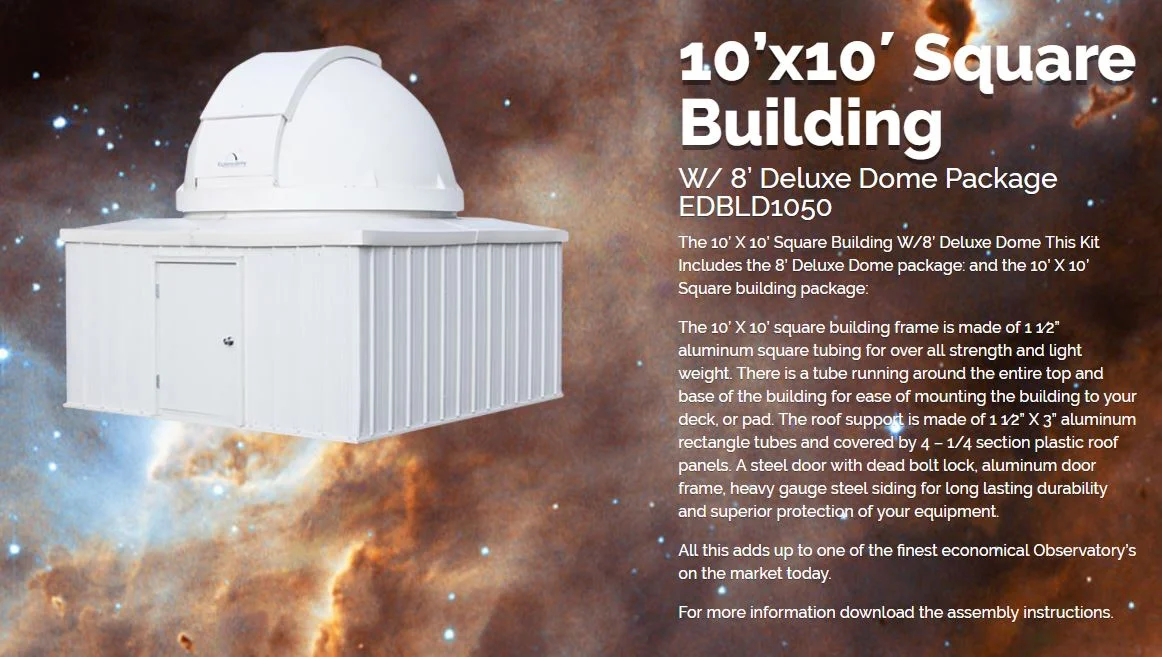
Skypoint:-
Just a little bit of #Takahashi refractors from the #StarParty organized by Eye in the #Sky #Astronomy in #Panarotta (Italy).
What do you say, deserve a post? 😂🤩
Last but not least: our solar astronomy setup with #Lunt #Solar Systems#refractor!

Click here…..
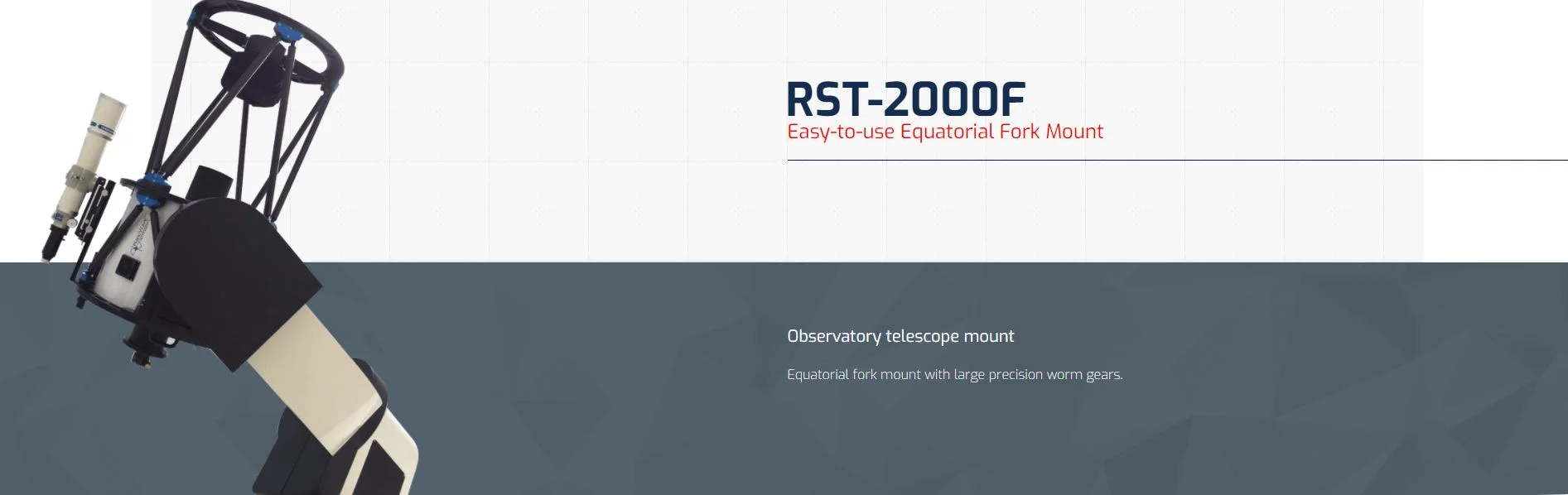
Rainbow Astro:- RST-2000F
SPECIFICATION
Mount TypeEquatorial Fork mount
Size15kg (33lb, unnecessary balance weights)
Instrument payload capacity200 kg (440 lbs)
Pointing accuracy>2arcmin
Worm wheelsR.A. 550 teeth, 550 mm diameter,
Dec. 400 teeth, 400 mm diameter
Transmission systemBacklash-free system with timing belt
and low backlash fixed
Motor2 axes servo brushless
Power supply24VDC
Go-to-sppedx800
Pointing accuracy< 20” with internal multiple-stars
software mapping
Communication portsUSB2.0 for PC. RJ45 8pin connector
for Keypad, Autoguide port

OVERVIEW
The RST-2000F mount is built for observatories with an instrumentation up to a weight of 200 kg and it’s loading capacity allows for mounting instruments like 24 inch Cassegrains. The wormwheels diameter of 550 mm and 550 teeth in RA, and a 400 mm and 400 teeth in DEC. Only one cable runs from the control box to the mount. The RST-2000F can be controlled completely using the included keypad(Hubo-i NaviCom), without requiring any external PC. We will install it very precisely and promise reliable after-service support.
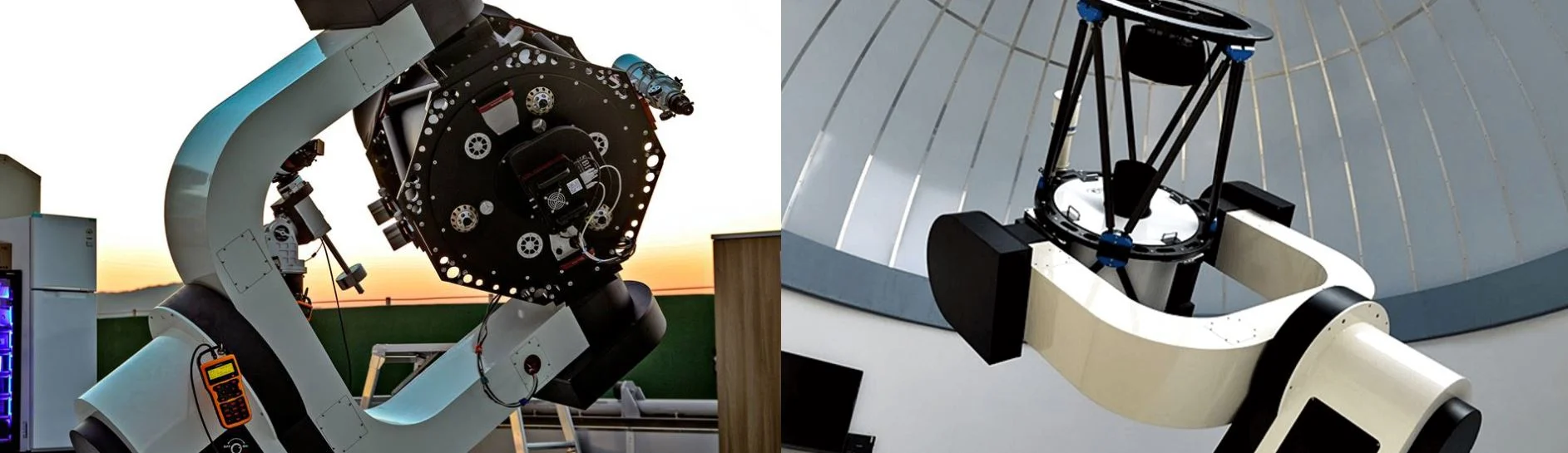
Click here for more information.